
My Cart
0 items
Genuine Automation Parts | Worldwide Express Delivery | 12-Month Warranty — [GET A QUOTE]

The BS207 is the structural and electrical foundation of the Bachmann M1 automation system, serving as a passive backplane that provides both high-speed internal bus connectivity and power distribution for installed CPU and I/O modules....
Availability: Low stock: 99 left
Reliable Worldwide Delivery
30-Day Money-Back Guarantee
Need more details? Read our fullShipping PolicyandRefund Policy.


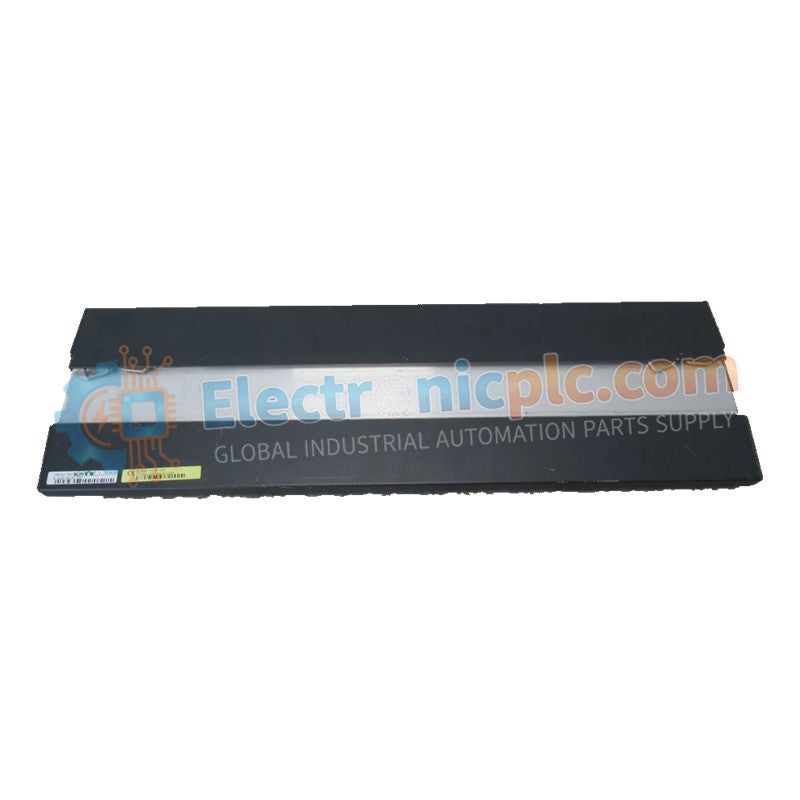
The BS207 is the structural and electrical foundation of the Bachmann M1 automation system, serving as a passive backplane that provides both high-speed internal bus connectivity and power distribution for installed CPU and I/O modules. Designed for long-term mechanical stability, the BS207 maintains secure electrical contact across all module slots, even in high-vibration industrial environments.
As a fully passive component with no active electronics, the BS207 significantly enhances overall system reliability and MTBF, making it an essential element in mission-critical control cabinets.
| Specification | Details |
|---|---|
| Model Identification | BS207 |
| Manufacturer | Bachmann Electronic GmbH |
| Component Type | Passive Backplane / Base Plate |
| Slot Configuration | Optimized for Bachmann M1 module alignment |
| Bus Architecture | Integrated high-speed parallel backplane bus |
| Mounting Method | DIN rail or mounting plate |
| Material Construction | Reinforced industrial housing with high-conductivity contacts |
| Physical Dimensions (W×H×D) | 2.3 × 5.5 × 11.9 cm |
| Unit Weight | 1.25 kg |
The BS207 is a mandatory component in any M1-based control system. It defines the mechanical layout of the rack and provides the interlocking interface that prevents module movement during operation or transport.
Typical deployment environments include:
Wind turbine nacelles
Marine engine control rooms
Power generation and heavy industrial cabinets
Its passive design eliminates common failure points associated with active backplanes, ensuring stable long-term operation under continuous vibration and thermal cycling.
Q: Does the BS207 require a separate power connection?
A: No. The BS207 is fully passive. Power is distributed through the backplane once a CPU or power supply module is installed.
Q: Can multiple BS207 base plates be combined to extend a rack?
A: M1 systems typically use a single base plate sized for the required number of slots. For larger systems, select the appropriate base plate variant (e.g., 2-, 5-, 7-, or 10-slot) to match the module count.


