
My Cart
0 items
Genuine Automation Parts | Worldwide Express Delivery | 12-Month Warranty — [GET A QUOTE]

The YOKOGAWA YNT512D, also cataloged as the YNT512D Bus Repeater Module, operates as a dedicated hardware component for signal conditioning and data transmission extension within industrial control network architectures.
Availability: Low stock: 99 left
Reliable Worldwide Delivery
30-Day Money-Back Guarantee
Need more details? Read our fullShipping PolicyandRefund Policy.


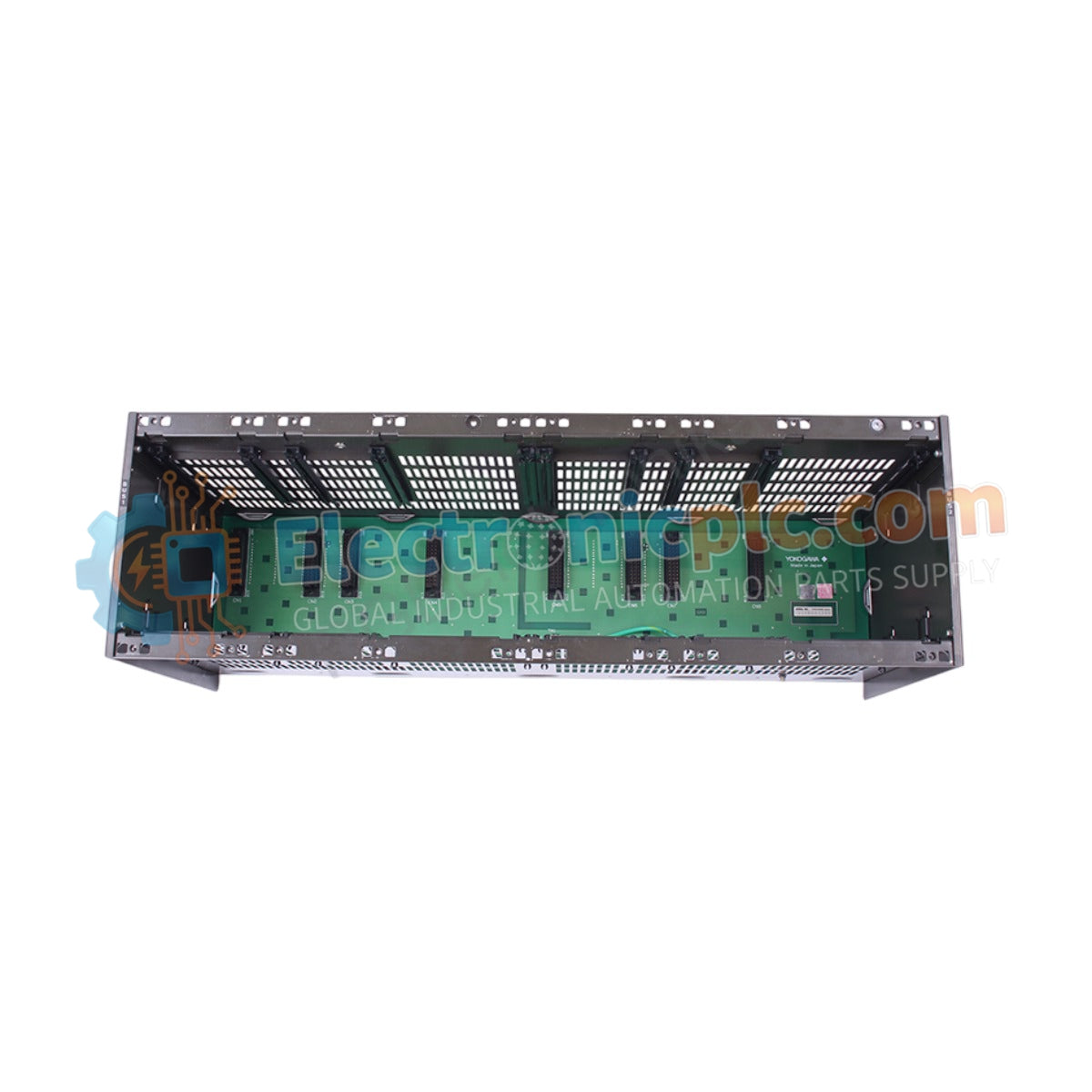
The YOKOGAWA YNT512D, also cataloged as the YNT512D Bus Repeater Module, operates as a dedicated hardware component for signal conditioning and data transmission extension within industrial control network architectures.
| Parameter | Specification |
|---|---|
| Model | YNT512D |
| Brand | YOKOGAWA |
| Origin | Japan |
| Weight | 1.0 kg |
| Dimensions | 10.3 cm x 5.1 cm x 5.4 cm |
| Operating Temp | Standard Industrial Range |
| Power Consumption | Subject to Bus Load |
| Interface | Control Bus Repeater |
The YNT512D is utilized to maintain signal integrity across extended communication segments in distributed control environments. The module performs electrical signal regeneration to prevent attenuation and timing jitter in high-density I/O bus configurations. By providing galvanic isolation between bus segments, the repeater effectively prevents the propagation of ground loops and common-mode noise, ensuring stable packet delivery for time-critical process control commands. The internal architecture is optimized to manage communication latencies, maintaining deterministic performance across the connected bus infrastructure.
Q: Does the YNT512D require manual configuration for baud rate or protocol settings?
A: The module is designed for automatic signal synchronization within specified control bus protocols; however, check the system integration documentation to ensure the bus topology complies with maximum segment length constraints.
Q: Can this repeater be installed on a bus segment that already includes other active networking components?
A: Yes, the YNT512D is intended to be integrated into existing bus architectures to extend segment reach; verify that the total bus load does not exceed the maximum node capacity of the host controller.


