
My Cart
0 items
Genuine Automation Parts | Worldwide Express Delivery | 12-Month Warranty — [GET A QUOTE]

Configured for high-availability network integration, the Yokogawa BUS1 (BUS1) provides direct physical/electrical execution of multi-protocol communication and data arbitration across CENTUM VP, ProSafe-RS, and STARDOM platforms.
Availability: Low stock: 99 left
Reliable Worldwide Delivery
30-Day Money-Back Guarantee
Need more details? Read our fullShipping PolicyandRefund Policy.
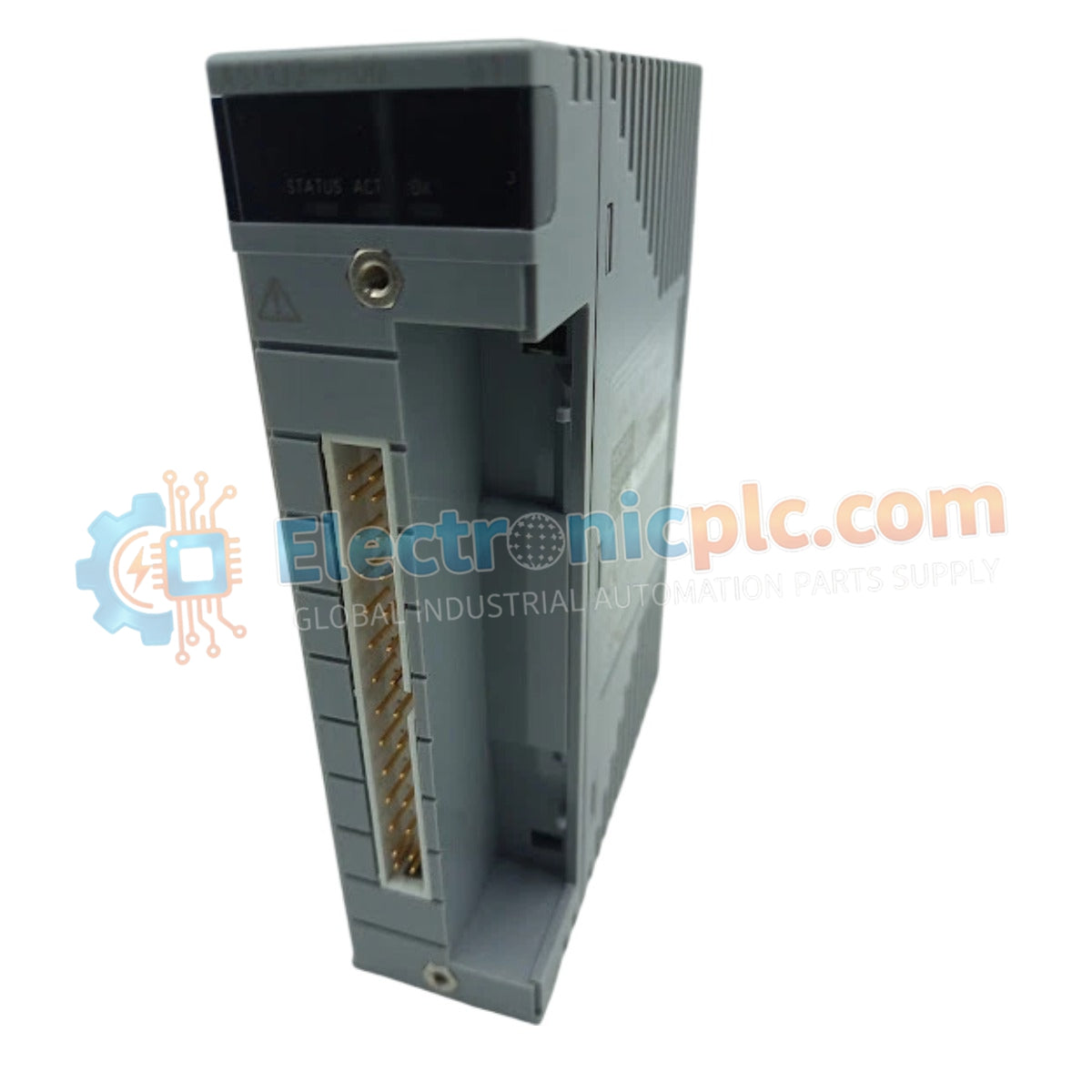
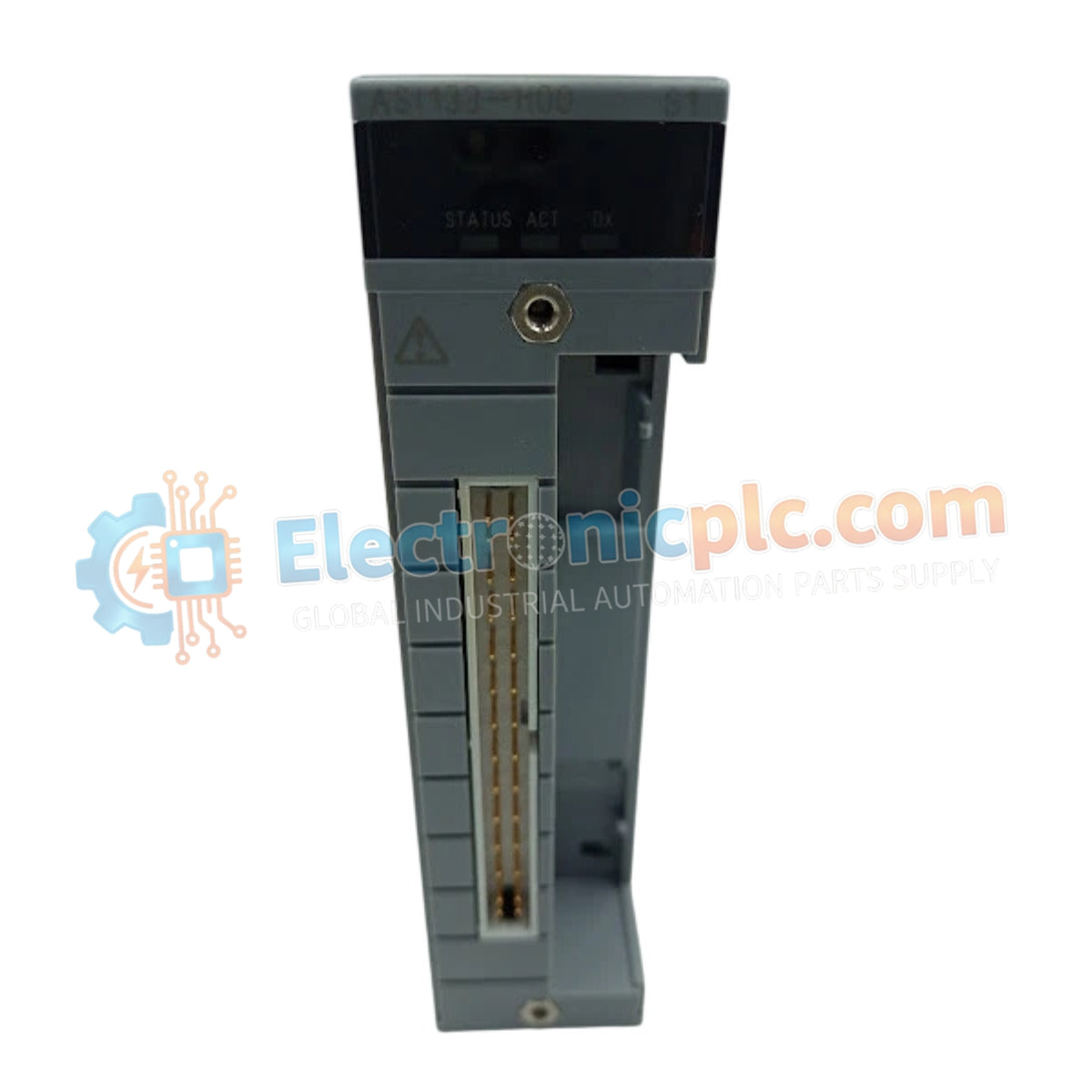
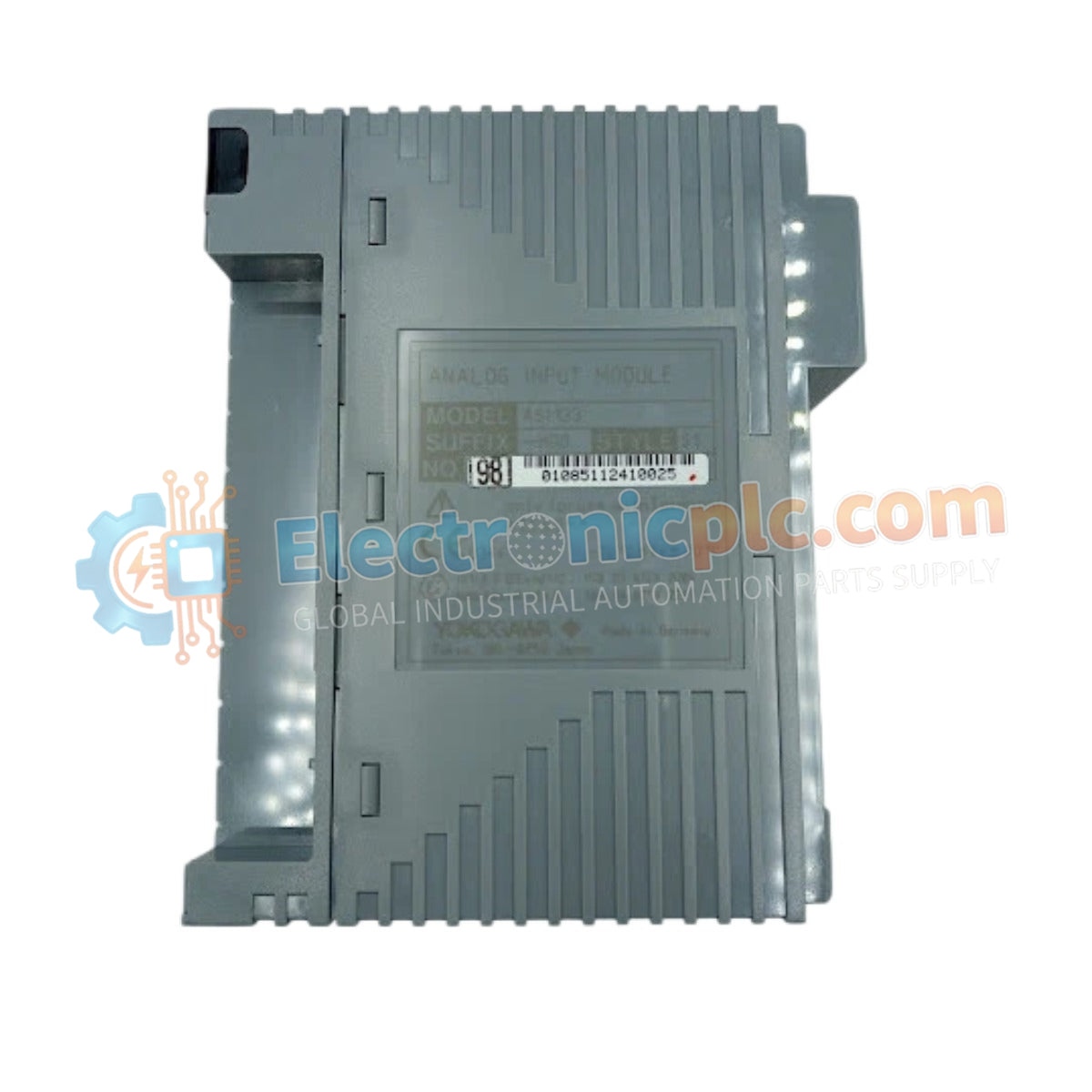
Configured for high-availability network integration, the Yokogawa BUS1 (BUS1) provides direct physical/electrical execution of multi-protocol communication and data arbitration across CENTUM VP, ProSafe-RS, and STARDOM platforms.
| Parameter | Specification |
|---|---|
| Model | BUS1 |
| Brand | Yokogawa |
| Origin | Japan |
| Weight | 1.0 kg |
| Operating Temp | -20 to +60 deg C |
| Protocol Support | Modbus, Profibus, Ethernet/IP, Vnet/IP, Proprietary |
| Data Rate | Up to 12 Mbps |
| Redundancy | Dual-channel fault-tolerant operation |
| Mounting | Rack-mounted (I/O or Comm cabinet) |
The BUS1 operates as a high-performance communication gateway, bridging disparate field and control network architectures. Its dual-channel redundancy design is critical for mission-critical industrial applications, allowing the system to maintain active data streams even if a primary communication path experiences failure. By supporting an array of industrial protocols (including PROFIBUS DP Master configurations for up to 124 devices per channel), the module enables centralized data acquisition and control command distribution, ensuring high-speed, deterministic performance in complex DCS environments.
Q: Is the BUS1 module capable of managing mixed-protocol traffic simultaneously?
A: Yes, the BUS1 is designed to handle multi-protocol communication concurrently. Configuration for specific protocol parameters and device mapping is managed through the host system's Engineering Station and PRM software tools.
Q: How is SIL2 compliance maintained in safety-rated variants?
A: The SIL2-rated variants of the BUS1 incorporate specific hardware diagnostics and software-level data integrity checks (such as cyclic redundancy checks and watchdog timers) to ensure safe state transitions in the event of a communication failure within a ProSafe-RS environment.


