
My Cart
0 items
Genuine Automation Parts | Worldwide Express Delivery | 12-Month Warranty — [GET A QUOTE]

The Yokogawa CP334D (CP334D Central Processor) serves as the primary CP334D control component utilized to execute real-time logic, process calculations, and V-net communication across Centum CS and Centum VP distributed...
Availability: Low stock: 99 left
Reliable Worldwide Delivery
30-Day Money-Back Guarantee
Need more details? Read our fullShipping PolicyandRefund Policy.


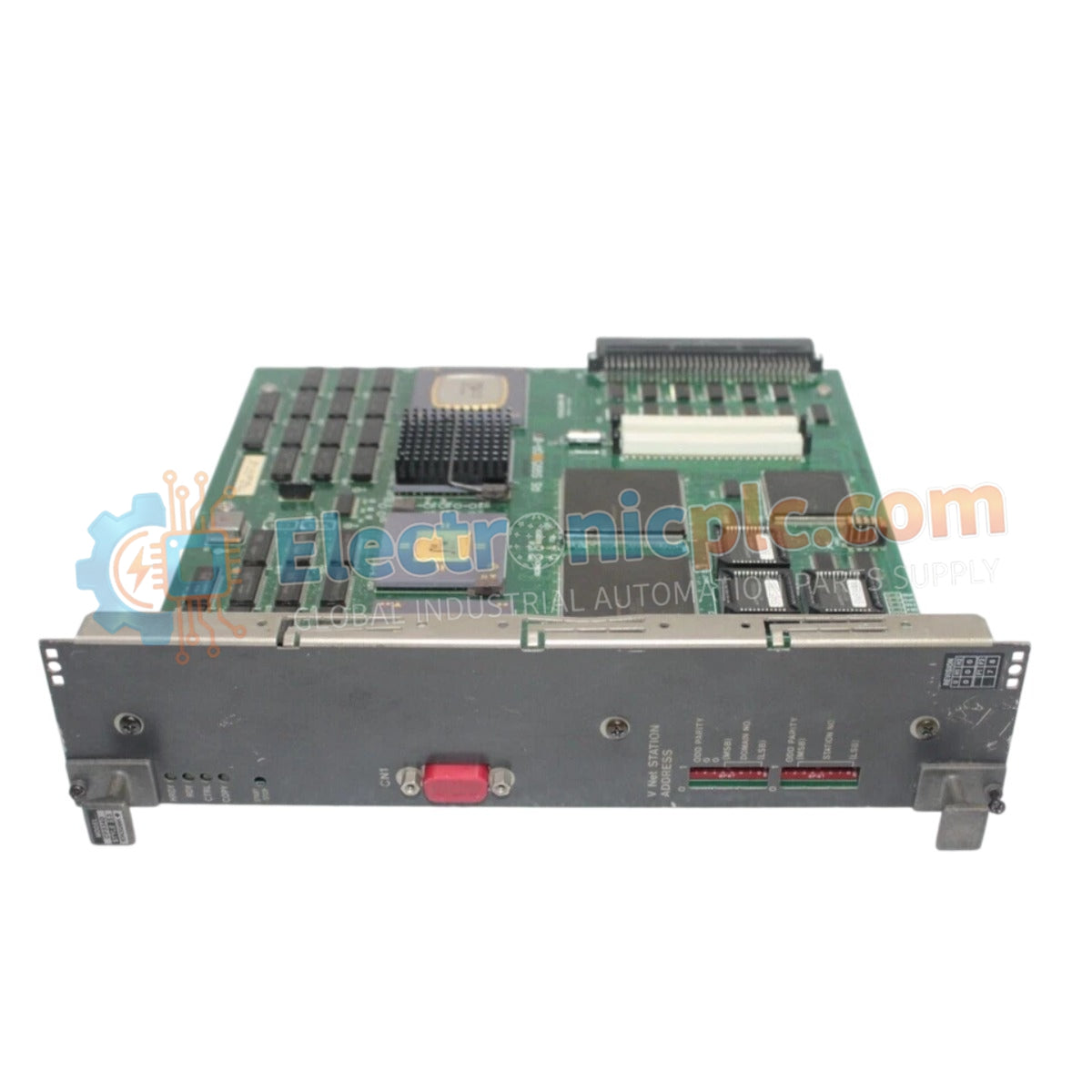
The Yokogawa CP334D (CP334D Central Processor) serves as the primary CP334D control component utilized to execute real-time logic, process calculations, and V-net communication across Centum CS and Centum VP distributed control system (DCS) platforms.
| Parameter | Specification |
|---|---|
| Model | CP334D |
| Brand | Yokogawa |
| Origin | Japan |
| Weight | 1.4 kg |
| Dimensions | 7.6 cm x 27.9 cm x 25.4 cm |
| Operating Temp | 5 deg C to 40 deg C |
| Power Consumption | Standard Field Control Unit (FCU) load |
| Architecture | 32-bit RISC processing |
The CP334D functions as the core processing engine within the Field Control Unit (FCU). It manages the execution of control algorithms, sequence logic, and data acquisition from connected I/O modules. The processor maintains high-speed synchronization with redundant controllers in dual-processor configurations to ensure seamless failover and data consistency. Its architecture is optimized for the deterministic timing requirements of industrial process loops, supporting advanced regulatory control functions and communication overhead for integrated plant networks.
Q: Is the CP334D compatible with hot-swapping procedures?
A: Yes, in redundant control configurations, the CP334D supports hot-replacement of the standby processor. Always ensure the primary processor is healthy and synchronized before extracting or inserting a module to prevent system-wide communication disturbances.
Q: How should I handle a firmware mismatch between redundant CP334D processors?
A: Firmware versions must be identical to maintain reliable synchronization. If a mismatch is detected, the system will prevent the standby unit from joining the active control loop. Update the firmware of the standby unit through the control station engineering interface to match the primary unit.


