
My Cart
0 items
Genuine Automation Parts | Worldwide Express Delivery | 12-Month Warranty — [GET A QUOTE]

Configured for high-density digital signal acquisition in autonomous control systems, the YOKOGAWA NFDV151-P10 S (NFDV151-P10 S) Digital Input Module provides direct physical and electrical execution for STARDOM platform architectures.
Availability: Low stock: 50 left
Reliable Worldwide Delivery
30-Day Money-Back Guarantee
Need more details? Read our fullShipping PolicyandRefund Policy.


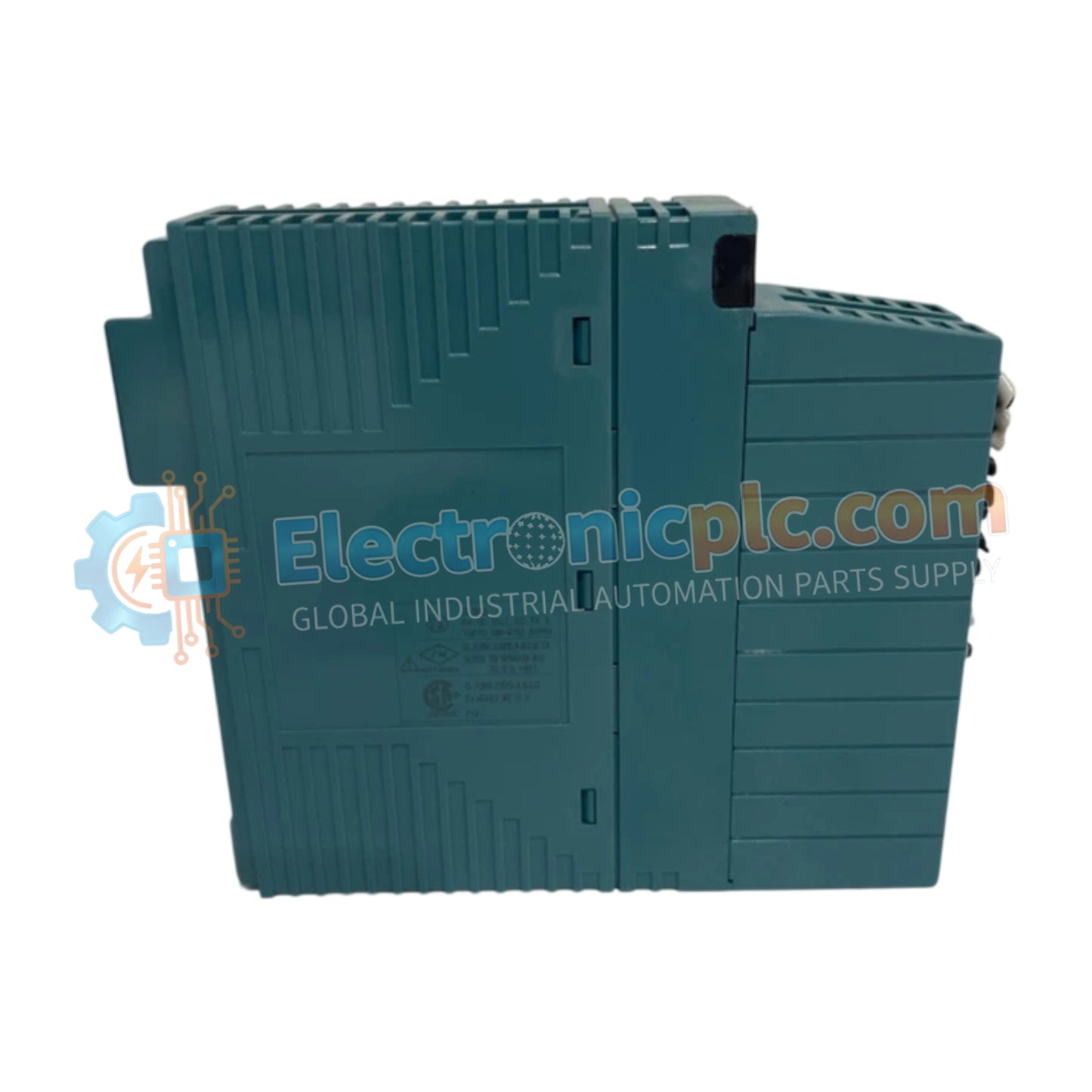
Configured for high-density digital signal acquisition in autonomous control systems, the YOKOGAWA NFDV151-P10 S (NFDV151-P10 S) Digital Input Module provides direct physical and electrical execution for STARDOM platform architectures.
| Parameter | Specification |
|---|---|
| Model | NFDV151-P10 S |
| Brand | YOKOGAWA |
| Origin | Japan |
| Weight | 0.3 kg |
| Dimensions | Standard STARDOM module form factor |
| Operating Temp | 0 deg C to +40 deg C |
| Power Consumption | 500 mA max at 5 VDC |
| Input Channels | 32 isolated sink/source compatible channels |
| Rated Input Voltage | 24 VDC |
The module incorporates robust optical and galvanic isolation circuitry rated at 2 kV AC between field inputs and system logic, alongside 500 V AC isolation between channel commons to suppress ground loops and transient surges across multi-loop environments. Signal conditioning stages process 24 VDC sink and source inputs with built-in pushbutton edge detection and filtering to ensure fast, deterministic state switching. Internal diagnostic LED indicators provide real-time status tracking for rapid fault identification across all active digital loops.
Q: What is the maximum input current per channel under normal operating conditions?
A: Each input channel draws 4.1 mA plus or minus 20% at the rated 24 VDC input level.
Q: Does the module support both sink and source input configurations?
A: Yes, the NFDV151-P10 S module is engineered to support both sink and source input wiring types for flexible field device compatibility.
Mount the NFDV151-P10 S module securely onto designated STARDOM base module slots, ensuring complete engagement with backplane connector pins. Terminate field signal wiring using pressure clamp terminals or MIL connector cables with conductor cross-sections between 0.5 and 2 mm squared (AWG 20 to 14), observing a recommended peel length of 11 mm. Route input cabling away from high-voltage power lines and verify terminal security prior to system energization.


