Skip to product information
1 of 3

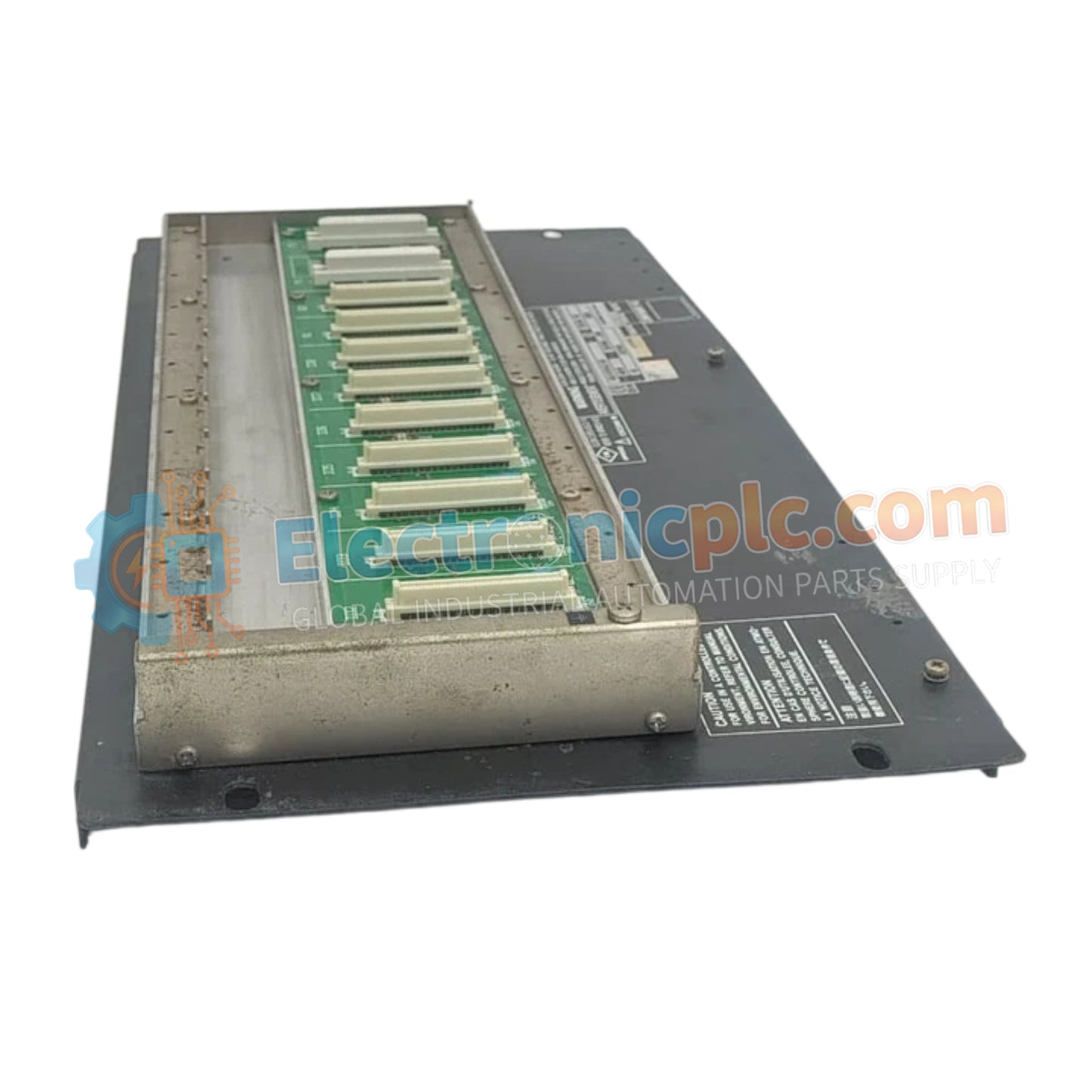
Dual-Redundant Safety Control Unit Yokogawa SCS10D-S2121

Dual-Redundant Safety Control Unit Yokogawa SCS10D-S2121

Configured for high-availability safety logic in process control networks, the Yokogawa SCS10D-S2121 (SCS10D Dual-Redundant Safety Control Unit) provides direct physical/electrical execution of fault-tolerant monitoring and safety state management.

Suffix Breakdown...

22 people are viewing this right now

AvailabilityIn stock

SKU: SCS10D-S2121
Vendor: Yokogawa

Shipping & Returns

Reliable Worldwide Delivery

  • Carriers: Shipped via DHL, FedEx, UPS, or USPS.
  • Dispatch: Orders processed in 1-2 business days and dispatched within 3-5 business days.
  • Tracking: Full tracking details provided via email upon shipment.

30-Day Money-Back Guarantee

  • Guarantee: 30-day return window for in-stock, factory-sealed products.
  • Condition: Items must be unopened, unused, and in original packaging.
  • Authenticity: We guarantee 100% original and authentic hardware.

Need more details? Read our fullShipping PolicyandRefund Policy.

Authenticity & Warranty

  • Genuine Guarantee: We supply only 100% original, brand-new, and factory-sealed industrial automation parts.
  • Full Coverage: Every component is backed by a 12-month comprehensive warranty from the date of purchase.
  • Traceability: All products come with original factory documentation and accessories for full industrial compliance.

Technical Support & Sourcing

  • Expert Assistance: Our technical team provides free consultation to help you verify compatibility for DCS and PLC systems.
  • Rare Part Sourcing: Specializing in obsolete and hard-to-find components from Allen-Bradley, Siemens, ABB, HIMA, and more.
  • Bulk Inquiries: Contact us at pambo@5gplc.com for volume pricing or customized project quotes.
View full product details

Configured for high-availability safety logic in process control networks, the Yokogawa SCS10D-S2121 (SCS10D Dual-Redundant Safety Control Unit) provides direct physical/electrical execution of fault-tolerant monitoring and safety state management.

Suffix Breakdown & Model Matrix

  • SCS10D: Base module designation for a dual-redundant safety control unit.
  • S2121: Suffix indicating the specific hardware configuration for processor integration, memory capacity, and redundant power management.

Hardware Specifications

Parameter Specification
Model SCS10D-S2121
Brand Yokogawa
Origin japan
Weight 2.5kg
Dimensions Not Specified
Operating Temp -20 deg C to 50 deg C
Power Consumption Not Specified
Processor MIPS R5000
Memory 32 MB with battery backup
Redundancy Dual-redundant logic and power

Fail-Safe State Execution and Safety Integrity

The SCS10D-S2121 utilizes a dual-redundant architecture to ensure continuous logic execution during component faults. The MIPS R5000 processing core is paired with an integrated memory system that enforces data integrity through battery-backed storage. The unit is engineered for fail-safe state execution, meaning that in the event of a critical internal fault or power discrepancy, the system transitions to a pre-defined safe state to protect the process. The redundant power supply input architecture eliminates single-point failures in the control circuit, while the included insulation accessories ensure the electrical isolation required to meet ISA G3 standards.

Frequently Asked Questions

Q: Can the SCS10D-S2121 support hot-swapping of redundant modules during operation?

A: Yes, the dual-redundant design permits the removal and replacement of a non-active controller unit while the system remains powered, provided the secondary unit is confirmed as operational and synchronized.

Q: What is the maintenance cycle for the battery backup system?

A: The battery backup has a maximum lifespan of 3 years under stable ambient conditions (30 deg C or lower); it is recommended to monitor the status via the system diagnostic console to trigger replacement before power-fail data loss occurs.

Field Installation Guidelines

  1. Mount the unit in a standard rack using the provided mounting hardware, ensuring proper spacing to maintain natural air cooling within the -20 deg C to 50 deg C range.
  2. Install the insulating bushings and covers during setup to prevent accidental shorts and to comply with environmental protection standards.
  3. Connect both power supply inputs to independent power sources to realize the full benefits of the dual-redundant architecture.
  4. Ground the chassis directly to the plant's high-integrity safety earth bus to prevent electromagnetic noise from impacting the processor's MIPS R5000 clock signals.
  5. Verify that the system confirms redundancy synchronization via the engineering software post-installation before enabling safety-rated output loops.