
My Cart
0 items
Genuine Automation Parts | Worldwide Express Delivery | 12-Month Warranty — [GET A QUOTE]

The YOKOGAWA SSC50D-F2121, also cataloged as the SSC50D Safety Control Unit, operates as a dedicated hardware component for high-integrity logic execution within ProSafe-RS Safety Instrumented System (SIS) platforms.
Availability: In stock
Reliable Worldwide Delivery
30-Day Money-Back Guarantee
Need more details? Read our fullShipping PolicyandRefund Policy.
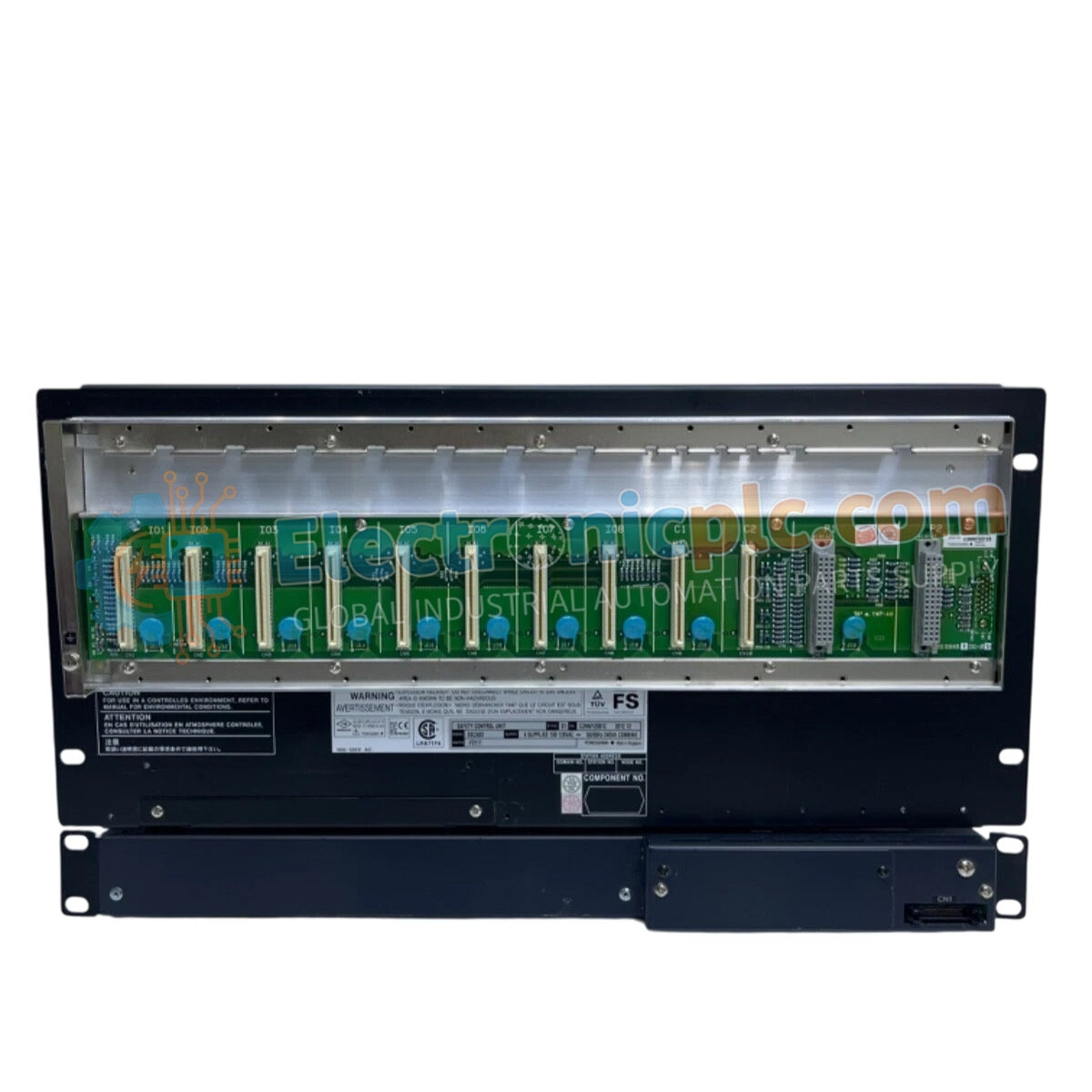

The YOKOGAWA SSC50D-F2121, also cataloged as the SSC50D Safety Control Unit, operates as a dedicated hardware component for high-integrity logic execution within ProSafe-RS Safety Instrumented System (SIS) platforms.
| Parameter | Specification |
|---|---|
| Model | SSC50D-F2121 |
| Brand | YOKOGAWA |
| Origin | japan |
| Weight | 1 kg |
| Dimensions | 10.3 cm x 5.1 cm x 5.4 cm |
| Operating Temp | 0 deg C to 50 deg C |
| Power Consumption | Not specified (Redundant SIS Bus) |
| Architecture | Duplexed (Redundant) |
| Safety Compliance | SIL3 compatible (ProSafe-RS) |
The SSC50D-F2121 is engineered for critical safety loops requiring TMR or duplexed redundancy to ensure continuous process protection. The control unit performs internal diagnostic synchronization, comparing inputs between redundant processing channels to detect discrepancies in real-time. In the event of a internal hardware fault or a loss of process data integrity, the unit triggers a fail-safe state execution, driving final control elements (such as emergency shutdown valves) to their predefined safe position. This architecture mitigates the risk of spurious trips while maintaining strict adherence to SIL3 safety requirements.
Q: How is the duplexed synchronization managed during normal operation?
A: The two controller modules exchange heartbeat and status data across a dedicated high-speed synchronization bus. This ensures that both units maintain an identical process image, allowing for bumpless switchover in the event of a primary processor fault.
Q: Can the unit be configured for online configuration changes?
A: Yes, the duplexed architecture allows for limited online modifications to the control logic, provided the system is in a permitted state. However, major logic changes require the system to be placed in a maintenance or bypass mode to comply with site safety standards.


