
My Cart
0 items
Genuine Automation Parts | Worldwide Express Delivery | 12-Month Warranty — [GET A QUOTE]

The YOKOGAWA EC401-50 (EC401-50) serves as a critical interface module within the Yokogawa control architecture, specifically designed to couple the Extended Synchronous Bus (ESB) across distributed nodes. This module ensures...
Availability: Low stock: 99 left
Reliable Worldwide Delivery
30-Day Money-Back Guarantee
Need more details? Read our fullShipping PolicyandRefund Policy.


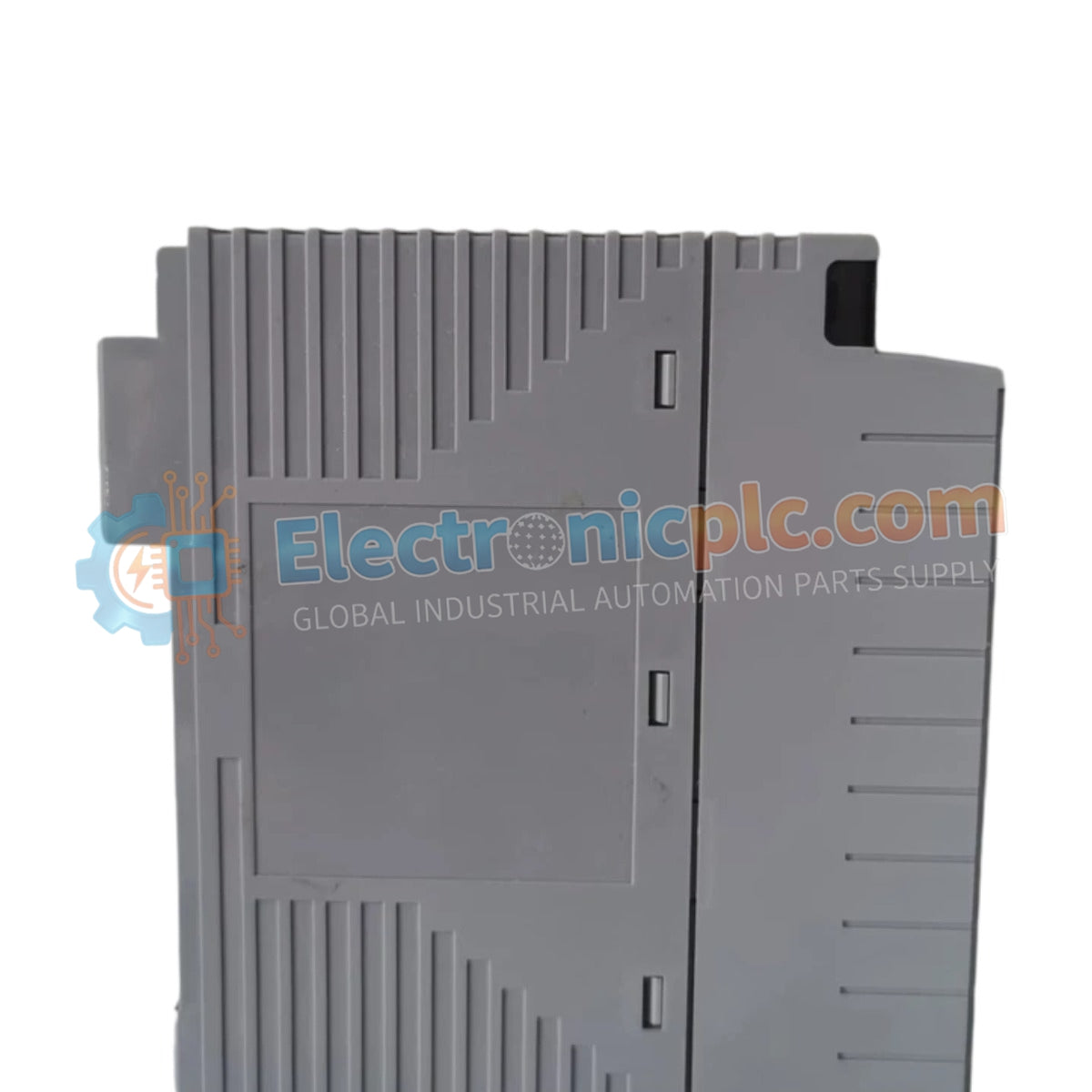
The YOKOGAWA EC401-50 (EC401-50) serves as a critical interface module within the Yokogawa control architecture, specifically designed to couple the Extended Synchronous Bus (ESB) across distributed nodes. This module ensures high-speed, deterministic data exchange between Field Control Units (FCUs) and I/O node units, maintaining the synchronization required for demanding process control applications.
| Parameter | Specification |
|---|---|
| Model | EC401-50 |
| Brand | Yokogawa |
| Origin | Japan |
| Weight | 0.3 kg |
| Dimensions | 2.2 cm x 12.4 cm x 12.6 cm |
| Function | ESB Bus coupling and signal management |
| Compatibility | CENTUM series / FIO systems |
| Operating Temp | Standard industrial ambient range |
The EC401-50 acts as the physical layer bridge for the ESB bus network. By managing signal distribution between the controller and remote I/O nodes, it ensures that process data—such as analog measurements and status inputs—is transmitted with minimal latency and high integrity. This is essential for maintaining the stability of control loops and ensuring that safety or regulatory processes meet strict timing requirements.
Q: How does the EC401-50 differ from an ESB bus repeater?
A: While a repeater is used to regenerate signals for extended distances, the coupler module (EC401) is primarily responsible for interfacing the ESB bus network with the specific node infrastructure, effectively joining segments of the control network.
Q: Is this module compatible with existing redundant bus configurations?
A: Yes, the EC401-50 is engineered to support the physical and logical requirements of Yokogawa's redundant ESB architectures, provided it is installed in accordance with the system-specific bus topology guidelines.


