
My Cart
0 items
Genuine Automation Parts | Worldwide Express Delivery | 12-Month Warranty — [GET A QUOTE]

Configured for deterministic data transmission in CENTUM VP control network platforms, the Yokogawa YCB301-C400 (YCB301 ESB Bus Cable) provides direct physical/electrical execution. This 4-meter component serves as the primary YCB301-C400...
Availability: In stock
Reliable Worldwide Delivery
30-Day Money-Back Guarantee
Need more details? Read our fullShipping PolicyandRefund Policy.
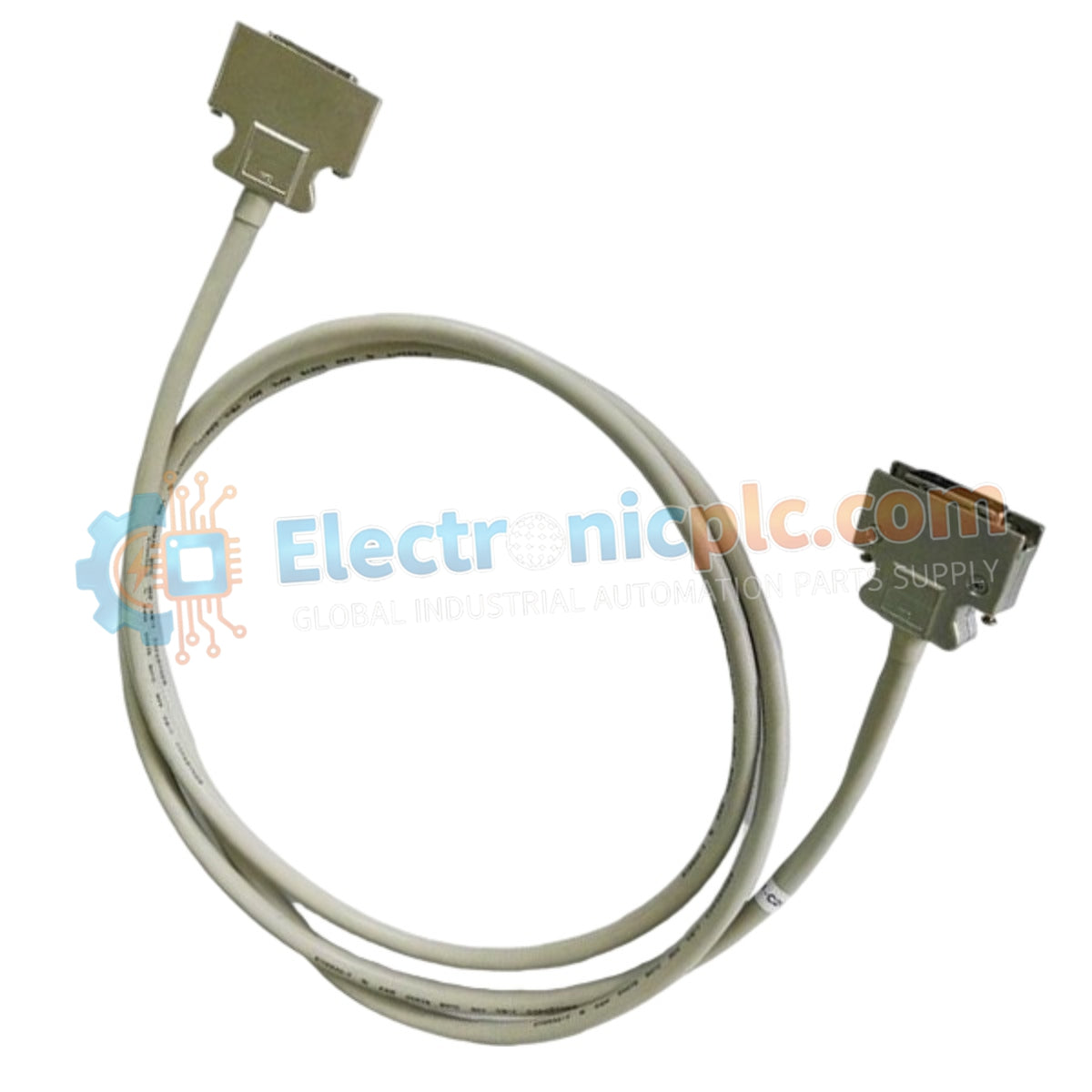
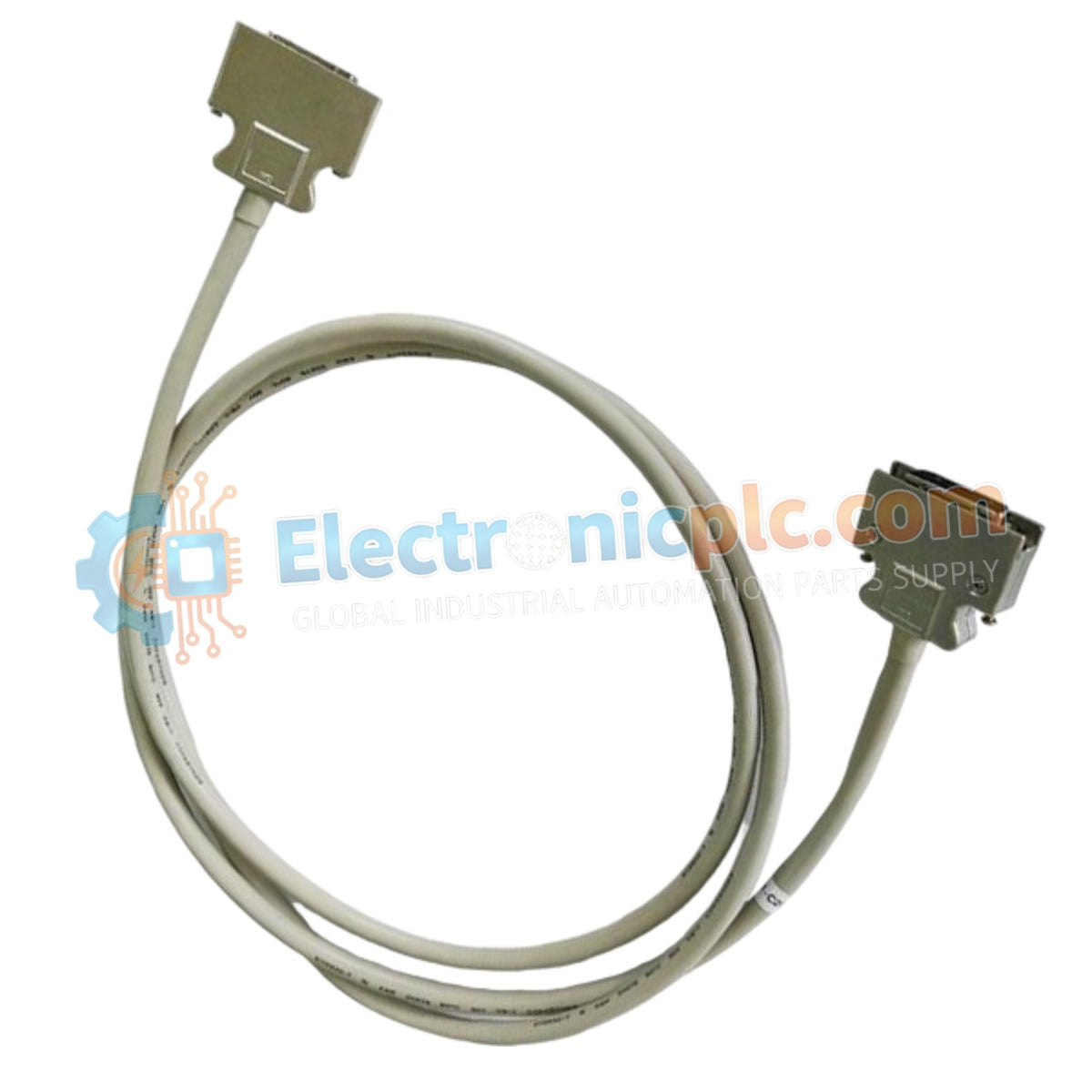
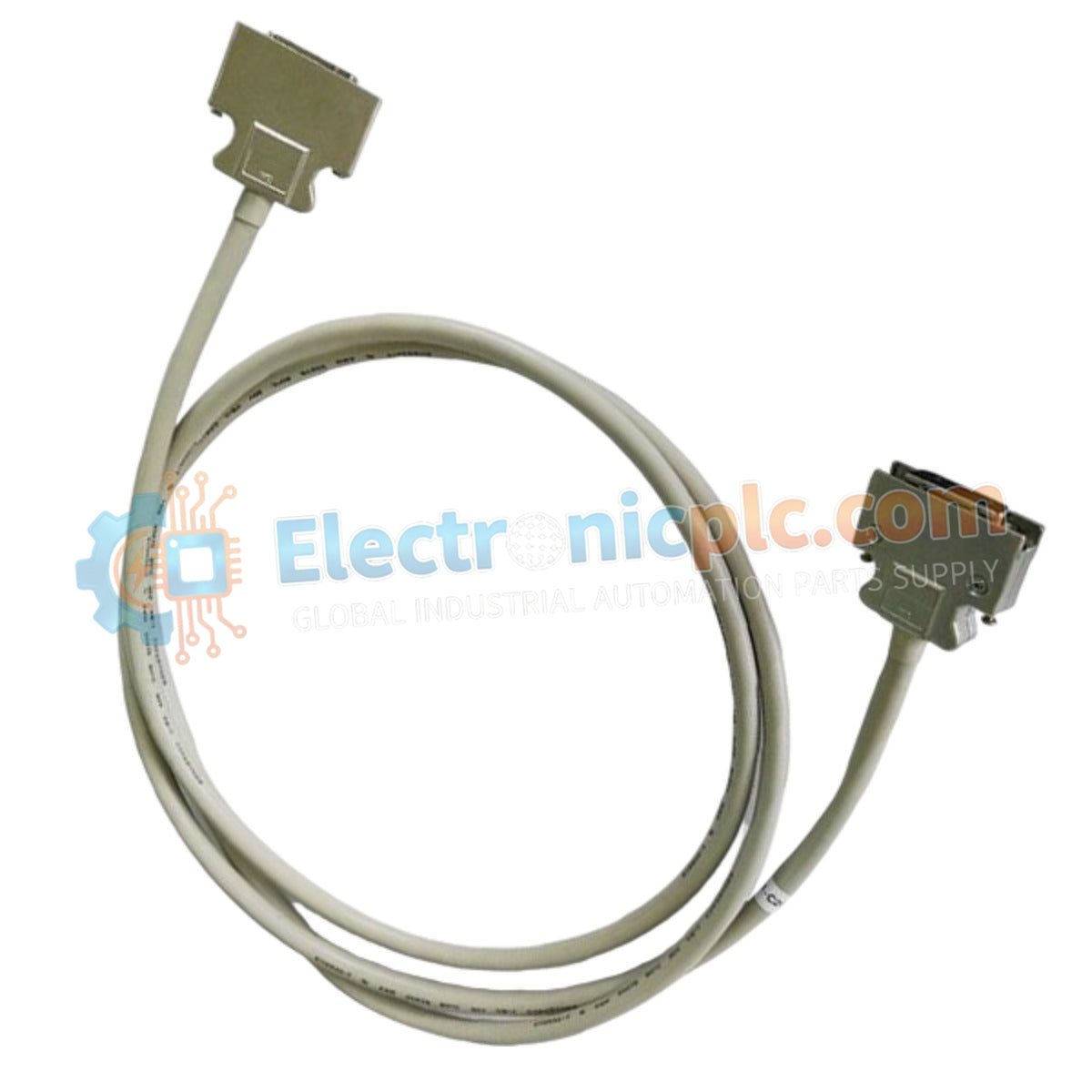
Configured for deterministic data transmission in CENTUM VP control network platforms, the Yokogawa YCB301-C400 (YCB301 ESB Bus Cable) provides direct physical/electrical execution. This 4-meter component serves as the primary YCB301-C400 communication interface utilized to execute ESB bus connectivity across Yokogawa field control station racks.
| Parameter | Specification |
|---|---|
| Model | YCB301-C400 |
| Brand | Yokogawa |
| Origin | Japan |
| Weight | 0.5 kg |
| Dimensions | 4 m length |
| Operating Temp | -10 to 60 deg C |
| Power Consumption | 0 W (Passive transmission) |
| Connector Type | 36-pin to 36-pin |
| Impedance | 120 ohms |
The YCB301-C400 utilizes a multi-layer foil and braid shielding architecture designed to suppress electromagnetic (EMI) and radio frequency (RFI) interference. This is critical for maintaining the high-speed, deterministic bus communication velocity required between the field control units and remote I/O nodes. The 120-ohm characteristic impedance ensures proper signal termination, preventing waveform reflections that could otherwise compromise the integrity of the ESB bus data packets. The flame-retardant PVC jacket provides mechanical protection while maintaining the flexibility required for routing through dense cabinet cable trays.
Q: Can the YCB301-C400 be extended or spliced if a 4-meter length is insufficient?
A: No. Splicing or extending bus cables introduces impedance discontinuities and crosstalk, which will lead to communication errors or bus failure. Always use the specified cable length provided by the manufacturer.
Q: Is the YCB301-C400 sensitive to excessive bending radii?
A: Yes. Observe the manufacturer's recommended minimum bending radius to prevent stress on the internal high-grade copper conductors and shielding layers, which could alter the characteristic impedance.


