
My Cart
0 items
Genuine Automation Parts | Worldwide Express Delivery | 12-Month Warranty — [GET A QUOTE]

The YOKOGAWA F3LR01-0N is a specialized high-speed interface module designed to extend the FA-M3 Range-free Multi-controller PLC architecture. By utilizing fiber optic transmission, this module provides a robust, noise-immune link between the...
Availability: In stock
Reliable Worldwide Delivery
30-Day Money-Back Guarantee
Need more details? Read our fullShipping PolicyandRefund Policy.


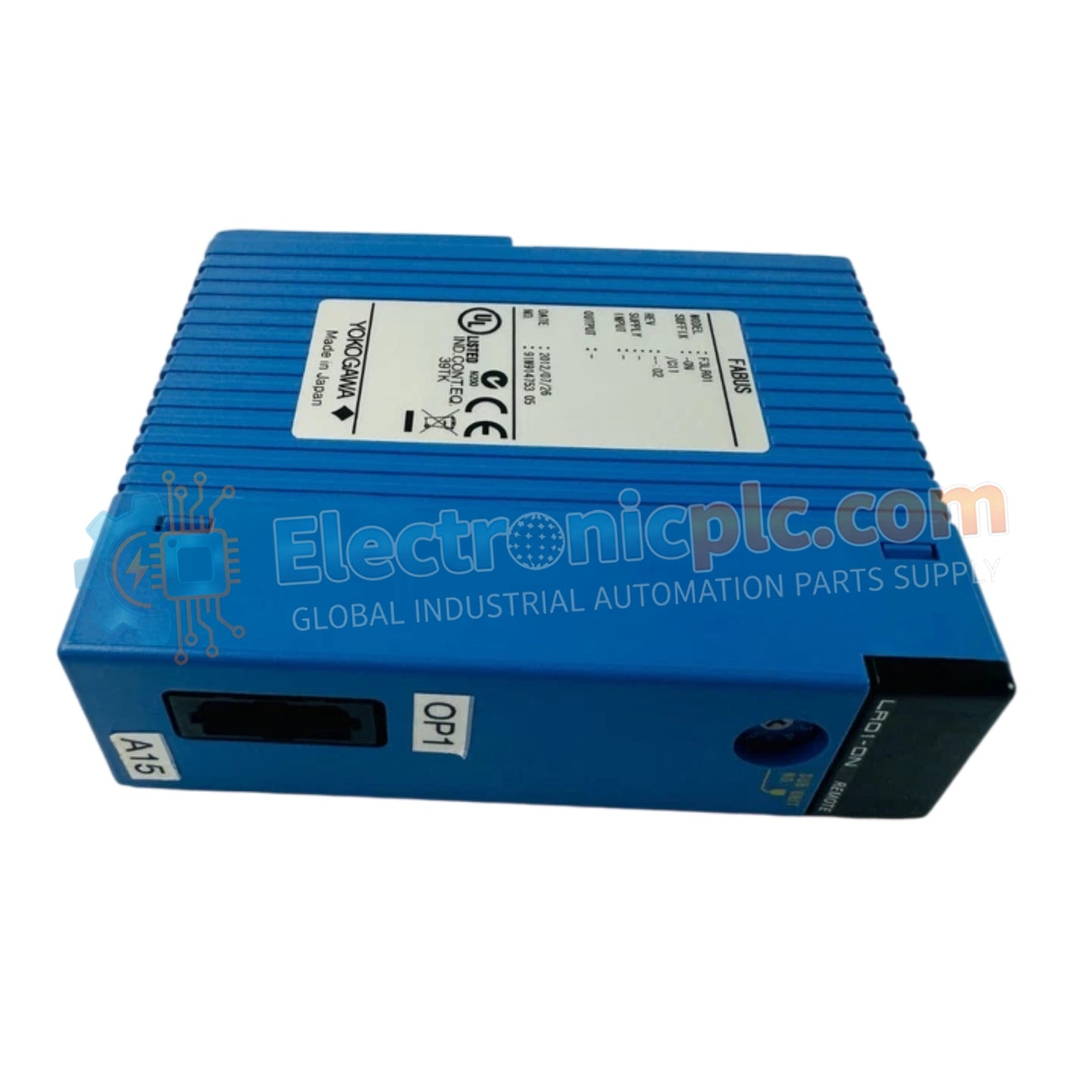
The YOKOGAWA F3LR01-0N is a specialized high-speed interface module designed to extend the FA-M3 Range-free Multi-controller PLC architecture. By utilizing fiber optic transmission, this module provides a robust, noise-immune link between the main controller unit and remote sub-units in distributed automation setups.
| Parameter | Specification |
| Model | F3LR01-0N |
| Module Type | Fiber Optic Interface (FA-Bus) |
| Max Sub-units | 7 stations |
| Communication Speed | 10 Mbps |
| Max Cable Length | 200 meters (total) |
| Transmission Medium | 2-core optical fiber |
| Current Consumption | ~220 mA |
| Operating Temp | 0°C to +55°C |
| Weight | 0.23 kg (0.50 lbs) |
The F3LR01-0N replaces traditional copper-based bus connections with optical signaling. This transition is critical for industrial environments characterized by high electromagnetic interference (EMI), such as those near large variable frequency drives (VFDs) or heavy machinery. The module ensures deterministic communication at 10 Mbps, allowing the main controller to manage up to seven remote sub-units as a single cohesive system.
Q: Does the F3LR01-0N require specific types of fiber optic cable?
A: Yes, it requires 2-core optical fiber compatible with the connector type and light wavelength specified in the FA-M3 technical manual. Always ensure the fiber ends are polished and cleaned according to standard optical procedures to prevent attenuation.
Q: Is this module hot-swappable?
A: No. Like most modules in the FA-M3 series, the rack power must be cycled off before inserting or removing the F3LR01-0N to prevent damage to the backplane communication pins.
Optical Integrity: Before connecting the 2-core fiber, use a fiber inspection scope to check for dust or scratches on the connector face. Even microscopic debris can significantly reduce signal strength at 10 Mbps.
Mounting: Insert the module into the designated slot on the FA-M3 main base unit. Ensure the rear connectors are fully seated and the module is secured with the provided retention screws.
Cable Routing: When routing fiber optic cables, observe the minimum bend radius specifications. Sharp bends can lead to signal loss or permanent fiber core damage over time.
Noise Management: Although fiber is inherently immune to EMI, ensure the cable is protected from physical stress and chemical exposure by using approved industrial cable trays or conduits.
System Validation: Upon startup, use the PLC programming software to verify the "Master/Slave" link status. All seven sub-units should show a green status indicator in the network configuration map.


