
My Cart
0 items
Genuine Automation Parts | Worldwide Express Delivery | 12-Month Warranty — [GET A QUOTE]

The Yokogawa FC1*C (often referenced as part of the Field Control Station interface series) acts as a high-speed communication and signal processing module. It serves as a vital link between...
Availability: Low stock: 99 left
Reliable Worldwide Delivery
30-Day Money-Back Guarantee
Need more details? Read our fullShipping PolicyandRefund Policy.


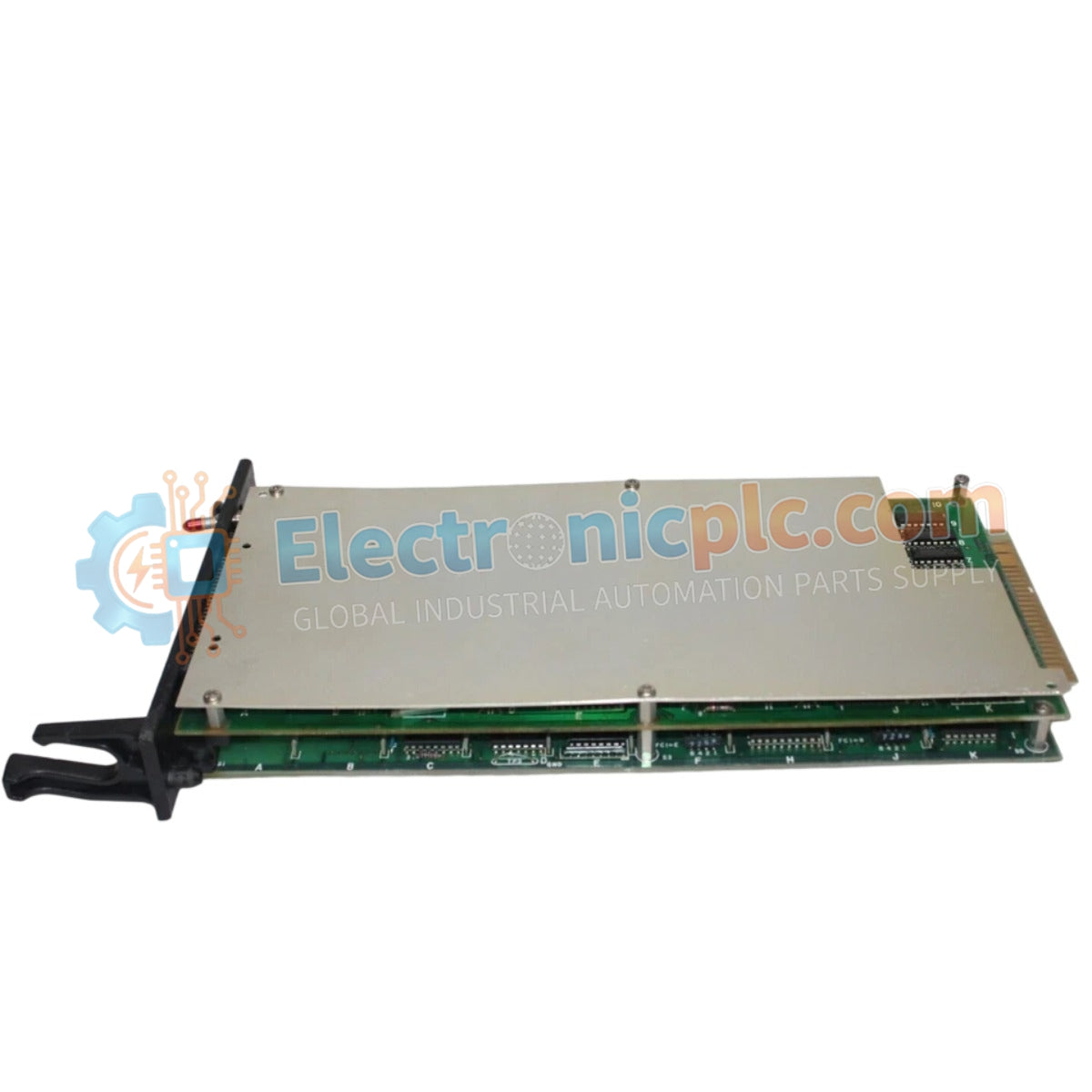
The Yokogawa FC1*C (often referenced as part of the Field Control Station interface series) acts as a high-speed communication and signal processing module. It serves as a vital link between field instrumentation and the controller's backplane, facilitating real-time data acquisition and command transmission within the Yokogawa control system ecosystem.
| Parameter | Specification |
|---|---|
| Model | FC1*C |
| Brand | Yokogawa |
| Product Type | Interface Module Card |
| Application | Field Control Station (FCS) |
| Communication | High-speed backplane bus |
| Power Requirements | 24 VDC (Typical) |
| Operating Temp | 0°C to 50°C |
The FC1*C interface card is engineered to handle the rigorous demands of industrial automation. It performs local signal processing, which includes data normalization and fault monitoring, before relaying information to the main controller. By utilizing localized processing, the card offloads overhead from the primary CPU, ensuring that scan times for control loops remain deterministic and responsive. Its architecture is built for long-term reliability in environments where signal integrity is critical for safe process operations.
Q: Does the FC1C support hot-swapping under normal operational conditions? A: No, the FC1C is not designed for hot-swapping. The host control station must be safely powered down or switched to a maintenance bypass state before the module is inserted or removed to prevent electrical surges or bus communication errors.
Q: How can I verify the status of the FC1*C module?
A: Status monitoring is performed via the system’s engineering workstation. Diagnostic LEDs located on the front panel of the card also provide immediate visual status, such as power-on confirmation and communication fault alerts.


