
My Cart
0 items
Genuine Automation Parts | Worldwide Express Delivery | 12-Month Warranty — [GET A QUOTE]

The IS230SNHRH2A is a high-density terminal board designed for the GE Mark VIe Speedtronic control architecture. It is primarily used in steam and gas turbine control and protection systems, acting as...
Availability: Low stock: 10 left
Reliable Worldwide Delivery
30-Day Money-Back Guarantee
Need more details? Read our fullShipping PolicyandRefund Policy.


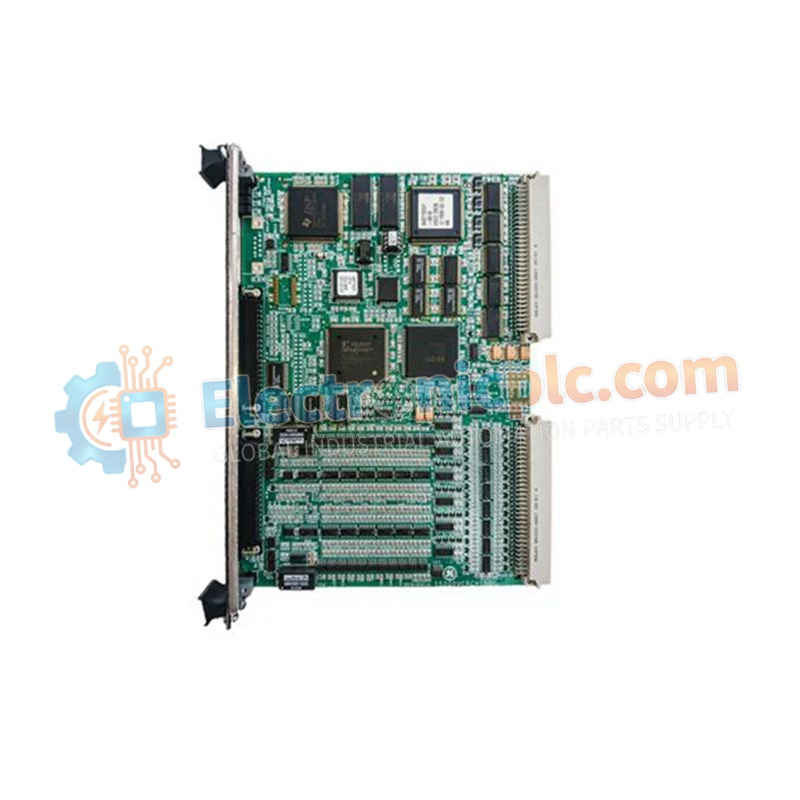
The IS230SNHRH2A is a high-density terminal board designed for the GE Mark VIe Speedtronic control architecture. It is primarily used in steam and gas turbine control and protection systems, acting as the physical interface between field instrumentation and the controller I/O processing layer.
The module is engineered for high noise immunity, precise signal termination, and stable voltage distribution across multiple I/O channels.
As part of the SNHR hardware family, the IS230SNHRH2A provides enhanced isolation and transient protection for both digital and analog signal circuits. Its slim-profile design enables high-density cabinet wiring while maintaining accessible diagnostics for maintenance operations.
| Parameter | Specification |
|---|---|
| Model Identification | IS230SNHRH2A |
| Control Architecture | GE Mark VIe |
| Operating Voltage | 24 VDC (Nominal) |
| Signal Interface | Multi-channel Digital + Analog I/O |
| Form Factor | Extended Slim-profile Terminal Board |
| Dimensions | 424 mm × 130 mm (16.7 in × 5.1 in) |
| Operating Temperature | -20°C to +70°C |
The IS230SNHRH2A is typically deployed in:
Triple Modular Redundant (TMR) turbine protection systems
Simplex Mark VIe control configurations
Solenoid drive output circuits
Contact input monitoring loops
The H2A hardware revision improves thermal stability and long-term reliability compared to earlier H1 variants, making it suitable for high-temperature control cabinet environments.
Is the IS230SNHRH2A compatible with legacy Mark VI systems?
No. The IS230 series is specifically designed for the Mark VIe distributed I/O architecture. Although functionally similar to older modules, the communication protocols and connectors are not backward compatible.
What are critical installation precautions?
Use proper ESD grounding protection when handling the module.
Support the full 424 mm board length during installation to prevent mechanical flex damage.
Ensure secure mounting on cabinet standoffs for vibration resistance in industrial environments.


