Skip to product information
1 of 3

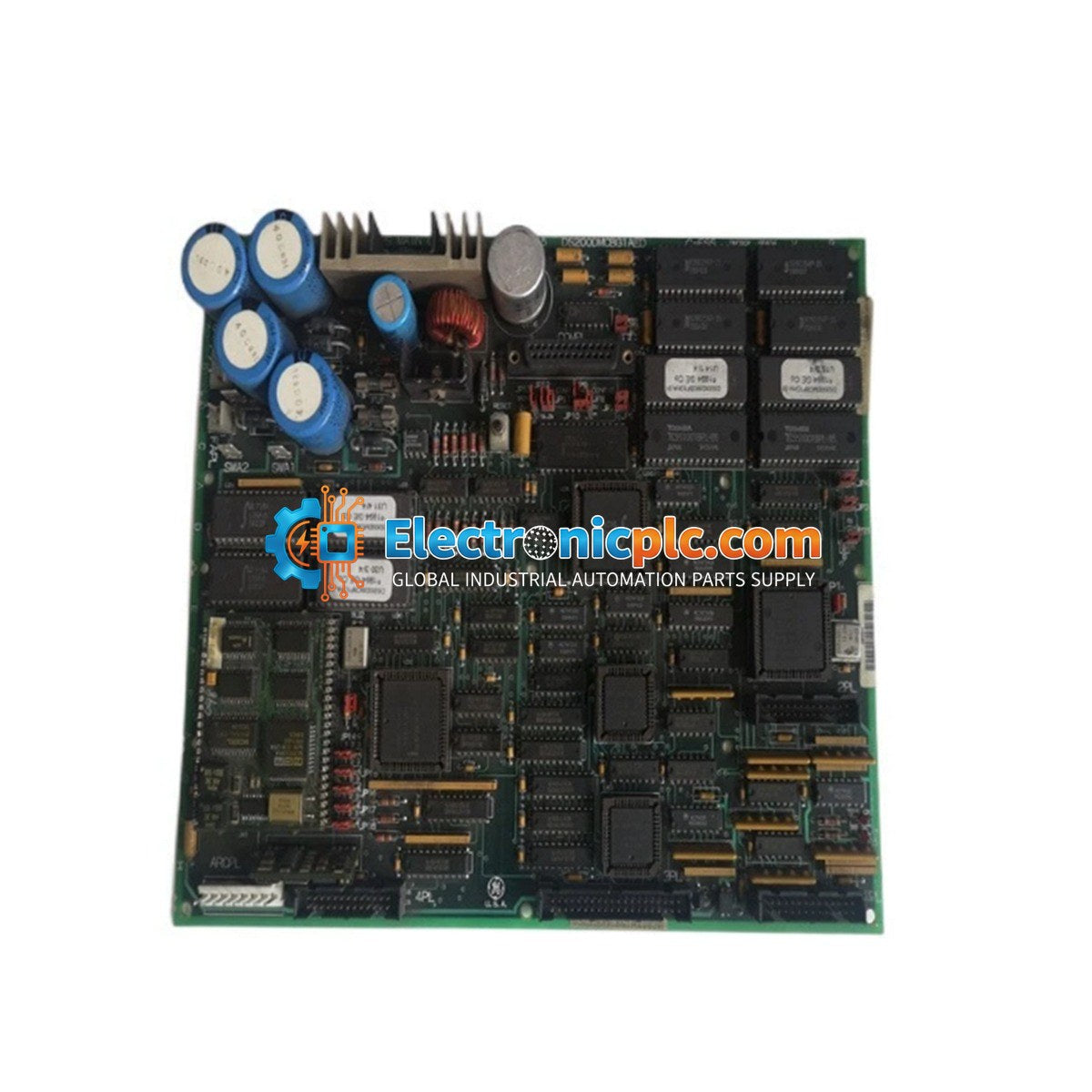
General Electric DS200DMCBG1A Mark V Series DOS DUP Processor Board

General Electric DS200DMCBG1A Mark V Series DOS DUP Processor Board

Description

The General Electric DS200DMCBG1A is a DOS DUP (Dual Processor) board designed for use within the Mark V turbine and gas control system. This processor board serves as a critical...

26 people are viewing this right now

AvailabilityLow stock: 4 left

SKU: DS200DMCBG1A
Category: Processor Board

Shipping & Returns

Reliable Worldwide Delivery

  • Carriers: Shipped via DHL, FedEx, UPS, or USPS.
  • Dispatch: Orders processed in 1-2 business days and dispatched within 3-5 business days.
  • Tracking: Full tracking details provided via email upon shipment.

30-Day Money-Back Guarantee

  • Guarantee: 30-day return window for in-stock, factory-sealed products.
  • Condition: Items must be unopened, unused, and in original packaging.
  • Authenticity: We guarantee 100% original and authentic hardware.

Need more details? Read our fullShipping PolicyandRefund Policy.

Authenticity & Warranty

  • Genuine Guarantee: We supply only 100% original, brand-new, and factory-sealed industrial automation parts.
  • Full Coverage: Every component is backed by a 12-month comprehensive warranty from the date of purchase.
  • Traceability: All products come with original factory documentation and accessories for full industrial compliance.

Technical Support & Sourcing

  • Expert Assistance: Our technical team provides free consultation to help you verify compatibility for DCS and PLC systems.
  • Rare Part Sourcing: Specializing in obsolete and hard-to-find components from Allen-Bradley, Siemens, ABB, HIMA, and more.
  • Bulk Inquiries: Contact us at pambo@5gplc.com for volume pricing or customized project quotes.
View full product details

Description

The General Electric DS200DMCBG1A is a DOS DUP (Dual Processor) board designed for use within the Mark V turbine and gas control system. This processor board serves as a critical component for managing complex control logic, data acquisition, and communication tasks within the turbine control environment. It features integrated memory and multi-input/output capabilities to facilitate high-speed processing of turbine control signals.

Features

  • Designed specifically for the GE Mark V control series architecture.
  • Equipped with on-board memory for reliable program execution and data handling.
  • Supports multi-input/output configurations for versatile system integration.
  • High-resolution 16-bit analog scanning capabilities for precise monitoring.
  • Robust design suitable for demanding industrial turbine control environments.

Technical Specifications

Product Model DS200DMCBG1A
Manufacturer General Electric
System Memory 128 MB SDRAM
Program Memory 256 MB Flash
Analog Scan Resolution 16-bit
Operating Temperature -40 degC to +70 degC
Storage Temperature -40 degC to +85 degC

Installation Guidelines

  • Ensure the control system is powered down before attempting to insert or remove the processor board from the rack.
  • Handle the board using proper ESD (Electrostatic Discharge) protection protocols to prevent damage to sensitive internal components.
  • Verify that the board is correctly seated in the designated slot and that all locking mechanisms are engaged.
  • Ensure that the operating environment is free from excessive vibration and that the cabinet ventilation system is functional to maintain the specified temperature range.
  • Check all cable connections for secure fitment and proper routing to avoid EMI interference.

FAQ

What is the primary function of the DS200DMCBG1A?

The DS200DMCBG1A acts as a processor board within the GE Mark V system, handling the computational requirements for turbine and gas control applications.

Is this board compatible with other control series?

This board is specifically engineered for the Mark V series. It should not be used in other control platforms unless explicitly specified by the manufacturer.

What should I do if the board fails to initialize?

First, verify that the board is fully seated in the rack and that power supply voltages are within the nominal range. If the issue persists, check for any diagnostic LED indicators on the board or the host system's error logs.