My Cart
0 items
Genuine Automation Parts | Worldwide Express Delivery | 12-Month Warranty — [GET A QUOTE]

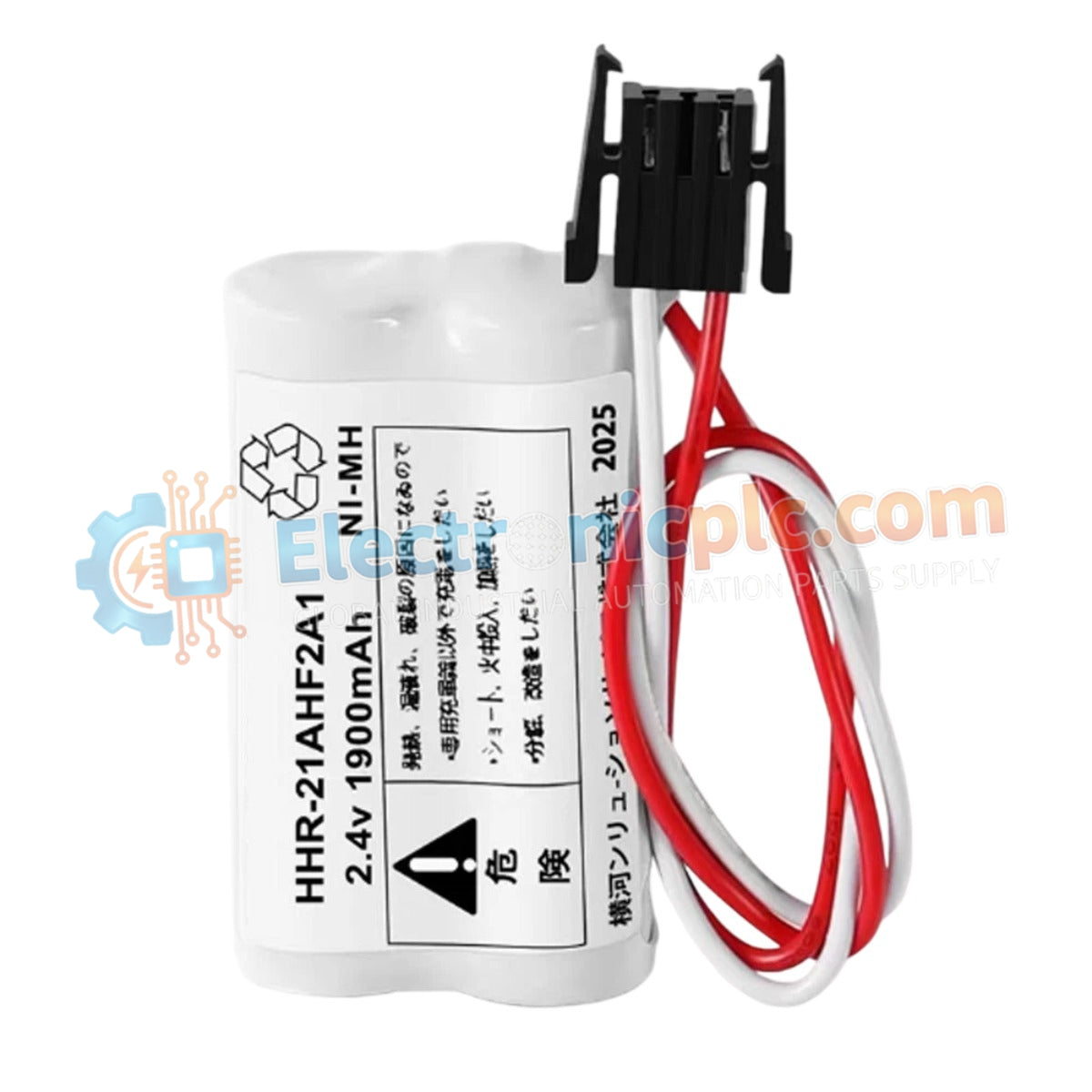
The Yokogawa HHR-21AHF2A1 (HHR-21AHF2A1) DCS Battery operates as a dedicated hardware component for volatile memory backup within Distributed Control System (DCS) controller modules.
| Parameter | Specification |
|---|---|
| Model | HHR-21AHF2A1 |
| Brand | Yokogawa |
| Origin | Japan |
| Weight | 0.12kg |
| Dimensions | 45 mm x 20 mm x 5 mm |
| Operating Temp | -20 deg C to 55 deg C |
| Power Consumption | 2.4 VDC (Nominal) |
| Capacity | 1100 mAh |
The HHR-21AHF2A1 utilizes Ni-MH chemistry to maintain data retention during primary power loss scenarios. The 2.4 VDC nominal output is optimized for low-self-discharge performance to ensure long-term availability of control logic and configuration parameters in standby modes. The battery supports integration with controller charging circuits, providing consistent current draw and voltage regulation to prevent memory corruption or module initialization errors during power cycling.
Q: Is this battery susceptible to memory effect during standard operational cycles?
A: Ni-MH batteries generally exhibit minimal memory effect compared to older Ni-Cd variants; however, maintaining a stable charging environment within the controller module is required to ensure the specified 1100 mAh capacity is accessible throughout the lifecycle.
Q: What is the primary function of this battery in a controller?
A: It provides the necessary power to maintain volatile RAM contents, such as current process values and temporary setpoint configurations, when the system is disconnected from the main power bus.