
My Cart
0 items
Genuine Automation Parts | Worldwide Express Delivery | 12-Month Warranty — [GET A QUOTE]

The Yokogawa K9192QJ Thermal Conductivity Detector (TCD) operates as a dedicated hardware component for precise gas composition analysis and concentration measurement within industrial process gas chromatography systems.
Availability: In stock
Reliable Worldwide Delivery
30-Day Money-Back Guarantee
Need more details? Read our fullShipping PolicyandRefund Policy.


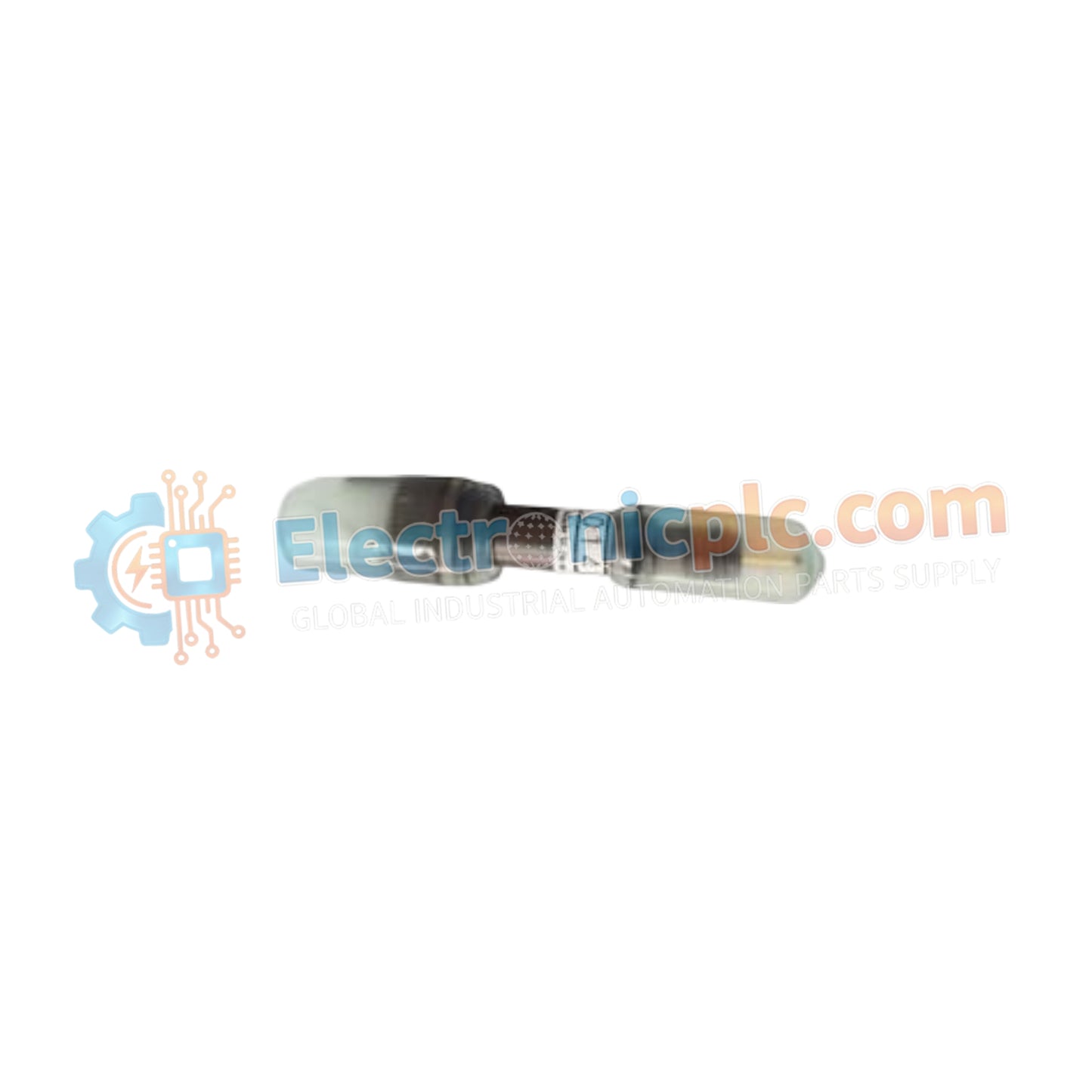
The Yokogawa K9192QJ Thermal Conductivity Detector (TCD) operates as a dedicated hardware component for precise gas composition analysis and concentration measurement within industrial process gas chromatography systems.
| Parameter | Specification |
|---|---|
| Model | K9192QJ |
| Brand | Yokogawa |
| Origin | Japan |
| Weight | 0.45 kg |
| Dimensions | Standard Analyzer Module Form Factor |
| Operating Temp | 0 deg C to 60 deg C |
| Power Consumption | Low voltage bridge excitation required |
| Measurement Principle | Thermal conductivity (filament resistance) |
| Output Signal | Bridge imbalance voltage (mV scale) |
The K9192QJ is engineered for high-sensitivity gas detection by utilizing a Wheatstone bridge circuit consisting of temperature-sensitive filaments. As carrier gas flows across the sensing and reference filaments, variations in thermal conductivity—induced by the presence of analytes—cause changes in filament temperature and electrical resistance. The resulting bridge imbalance voltage is proportional to the component concentration. To maintain signal integrity, the module features channel-to-channel isolation architecture, effectively decoupling the measurement bridge from common-mode noise and power supply fluctuations within the analyzer cabinet.
Q: Does the K9192QJ require a specific carrier gas for optimal performance?
A: Yes. The sensitivity and baseline stability of the detector are highly dependent on the difference in thermal conductivity between the carrier gas and the sample analytes. Helium or hydrogen is typically utilized as the carrier gas to maximize the signal-to-noise ratio.
Q: Can the filament assembly be replaced independently of the module?
A: No. The K9192QJ is factory-calibrated as a complete sensing unit. Attempting to replace the filaments will invalidate the factory calibration and likely compromise the sensitivity and linearity of the detector.


