Skip to product information
1 of 3

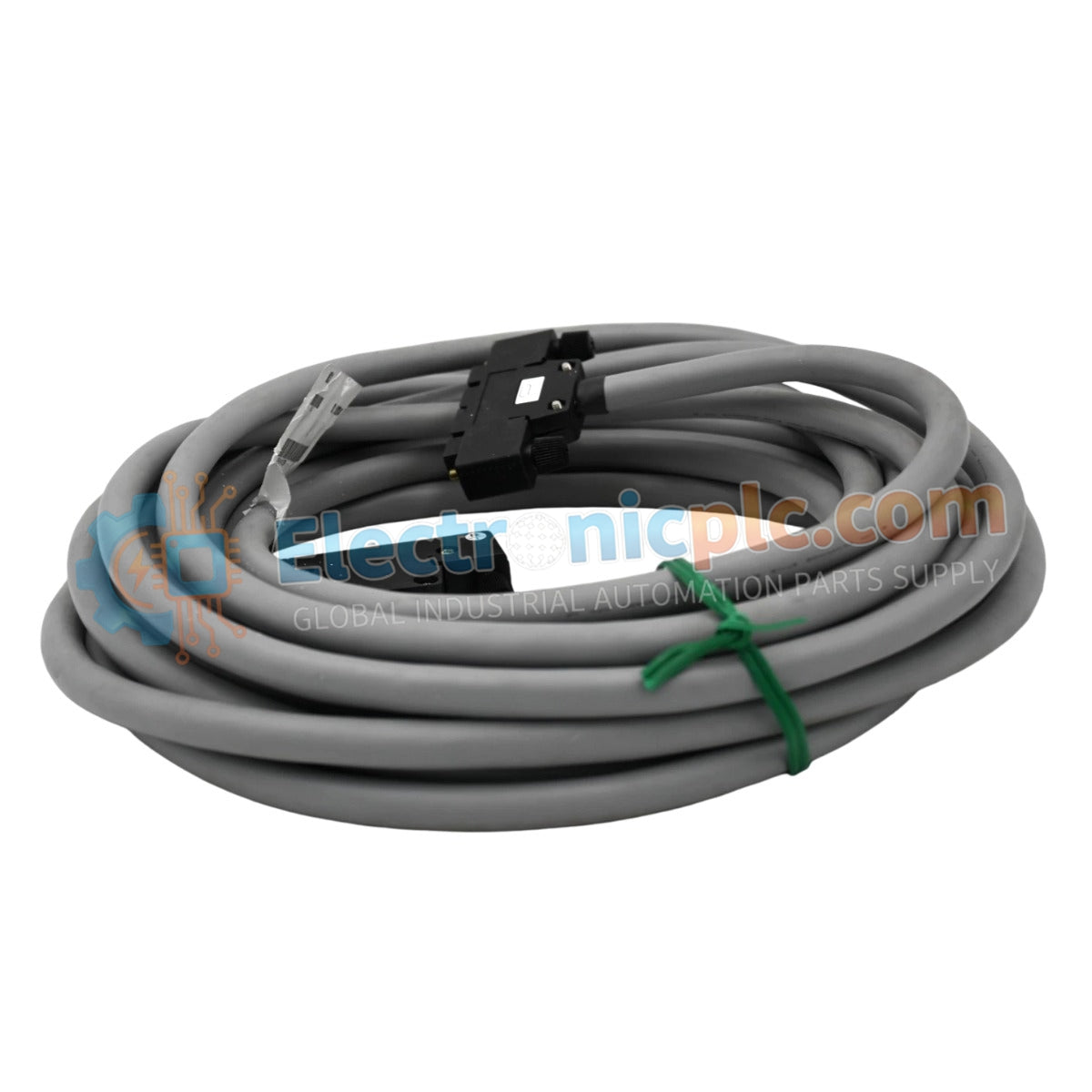
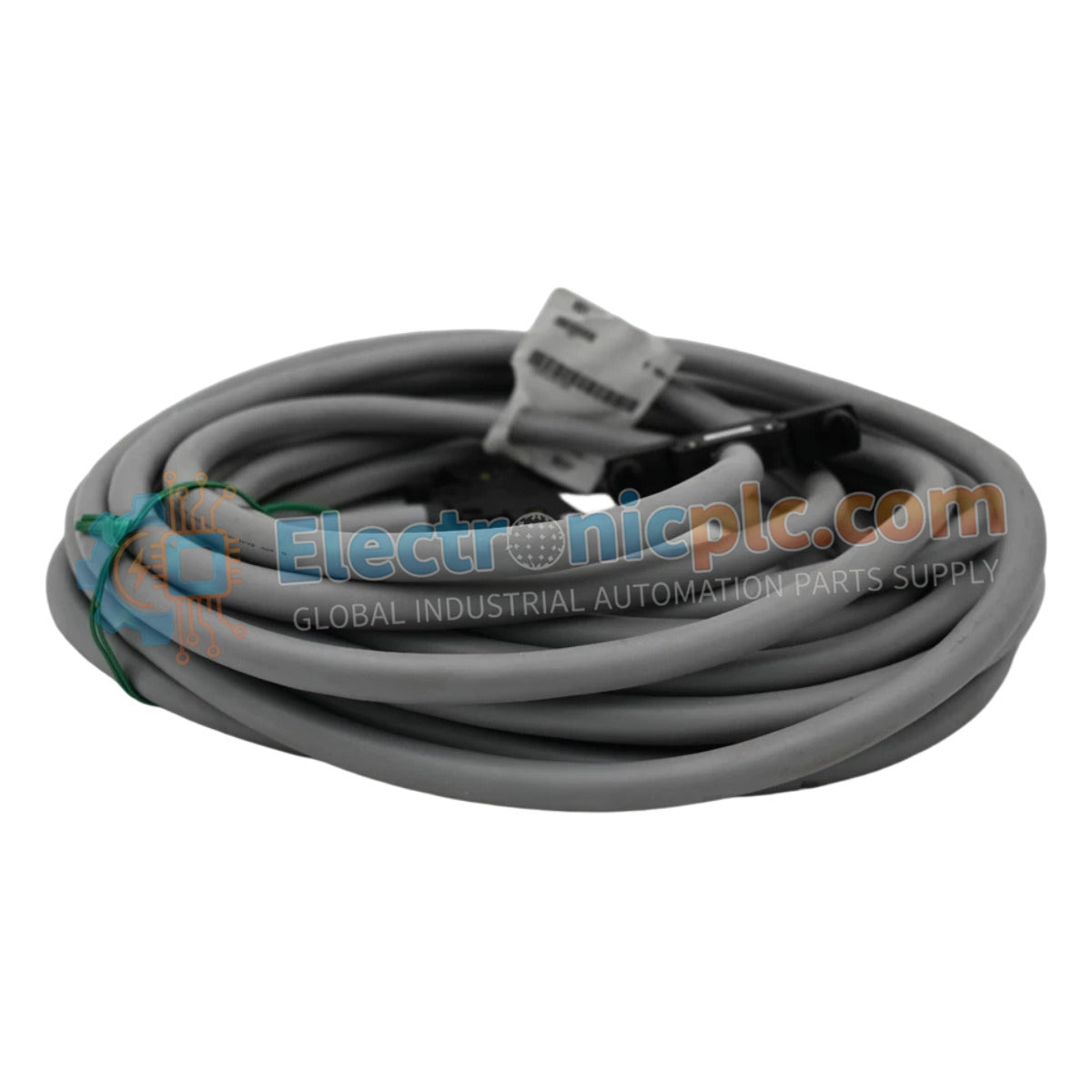
KS1-10*B YOKOGAWA Signal Cable | New & Original Stock

KS1-10*B YOKOGAWA Signal Cable | New & Original Stock

Configured for high-density signal interconnects within DCS and PLC control architectures, the YOKOGAWA KS1-10*B (KS1 Signal Cable) provides direct physical and electrical execution of multi-channel data transmission between I/O modules...

25 people are viewing this right now

AvailabilityLow stock: 99 left

SKU: KS1-10*B
Vendor: Yokogawa
Category: Signal Cable
Related Series:

Shipping & Returns

Reliable Worldwide Delivery

  • Carriers: Shipped via DHL, FedEx, UPS, or USPS.
  • Dispatch: Orders processed in 1-2 business days and dispatched within 3-5 business days.
  • Tracking: Full tracking details provided via email upon shipment.

30-Day Money-Back Guarantee

  • Guarantee: 30-day return window for in-stock, factory-sealed products.
  • Condition: Items must be unopened, unused, and in original packaging.
  • Authenticity: We guarantee 100% original and authentic hardware.

Need more details? Read our fullShipping PolicyandRefund Policy.
Authenticity & Warranty

  • Genuine Guarantee: We supply only 100% original, brand-new, and factory-sealed industrial automation parts.
  • Full Coverage: Every component is backed by a 12-month comprehensive warranty from the date of purchase.
  • Traceability: All products come with original factory documentation and accessories for full industrial compliance.

Technical Support & Sourcing

  • Expert Assistance: Our technical team provides free consultation to help you verify compatibility for DCS and PLC systems.
  • Rare Part Sourcing: Specializing in obsolete and hard-to-find components from Allen-Bradley, Siemens, ABB, HIMA, and more.
  • Bulk Inquiries: Contact us at pambo@5gplc.com for volume pricing or customized project quotes.
View full product details

Configured for high-density signal interconnects within DCS and PLC control architectures, the YOKOGAWA KS1-10*B (KS1 Signal Cable) provides direct physical and electrical execution of multi-channel data transmission between I/O modules and field interface panels.

Suffix Breakdown & Model Matrix

The KS1 series utilizes standardized nomenclature to define connectivity specifications and physical length requirements:

  • Model KS1: 40-pin to 40-pin interface signal cable.
  • Length 10: Indicates a standard cable length of 10 meters.
  • Style B: Denotes the specific cable revision and connector configuration for Yokogawa control systems.

Hardware Specifications

Parameter Specification
Model KS1-10*B
Brand YOKOGAWA
Origin Japan
Weight  1.2 kg
Dimensions 10 meters length
Operating Temp -20 deg C to +70 deg C
Power Consumption Passive (Signal transmission)
Connector Type 40-pin to 40-pin

Process Control Connectivity and Signal Integrity

The KS1 assembly utilizes a multi-conductor structure designed for low-latency signal coupling between control hardware and field termination units. Each conductor is engineered to maintain consistent electrical impedance, minimizing signal degradation and cross-talk across high-density I/O channels. The connectors feature secure latching mechanisms designed to prevent accidental disconnection caused by mechanical vibration or thermal expansion within the cabinet. Integrated shielding layers, when correctly terminated at the module chassis, function to mitigate electromagnetic interference (EMI) and radio frequency interference (RFI) typical in industrial control environments.

Frequently Asked Questions

Q: Can the KS1-10*B cable be used in extreme ambient temperature conditions?

A: The cable is rated for operation between -20 deg C and +70 deg C. Installation outside of these parameters will compromise the insulation jacket and conductor integrity over time.

Q: Is this cable compatible with all 40-pin Yokogawa I/O modules?

A: The KS1-10*B is designed for standard 40-pin I/O configurations. Always verify the specific terminal assignment and Style B compatibility against the module datasheet prior to connection.

Field Installation Guidelines

  1. Route the cable through designated cable trays or conduits, maintaining strict separation from high-voltage AC lines to prevent inductive noise.
  2. Observe the manufacturer-specified minimum bend radius to prevent internal conductor breakage or stress on the connector headers.
  3. Inspect the 40-pin connectors for bent pins prior to insertion; apply even, perpendicular pressure to fully seat the connector until the latches engage.
  4. Verify signal continuity using a digital multimeter after installation to ensure that no open or short circuits were introduced during cable routing.
  5. Secure the cable using appropriate strain-relief accessories at intervals not exceeding 500 mm to support the weight of the 10 meter assembly and protect the module interface.