
My Cart
0 items
Genuine Automation Parts | Worldwide Express Delivery | 12-Month Warranty — [GET A QUOTE]

Configured for high-density signal integration in DCS control platforms, the Yokogawa KS1-10/SAI143 (KS1 Signal Cable) provides direct physical execution of data transmission between I/O modules and power frames. This cable...
Availability: Low stock: 50 left
Reliable Worldwide Delivery
30-Day Money-Back Guarantee
Need more details? Read our fullShipping PolicyandRefund Policy.
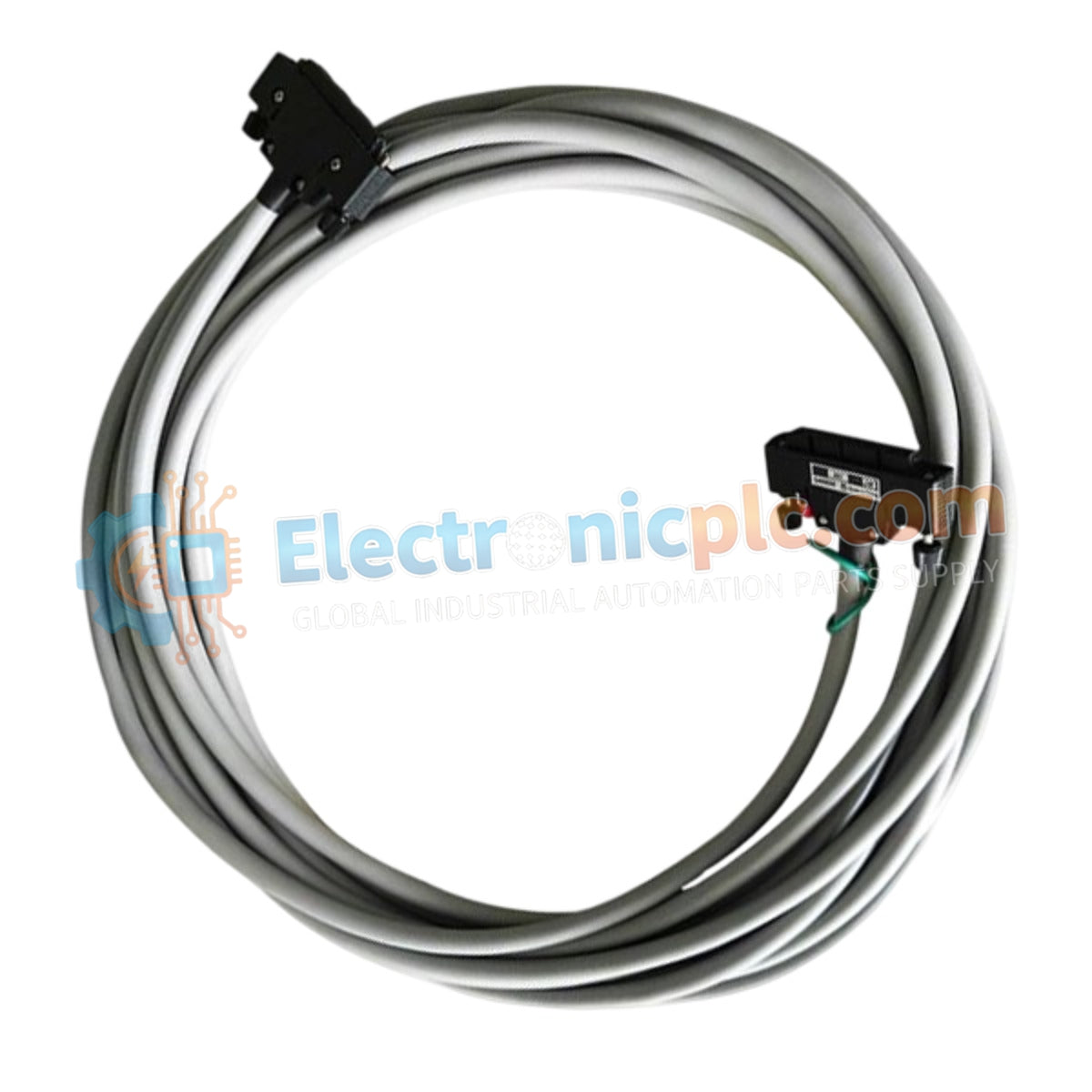
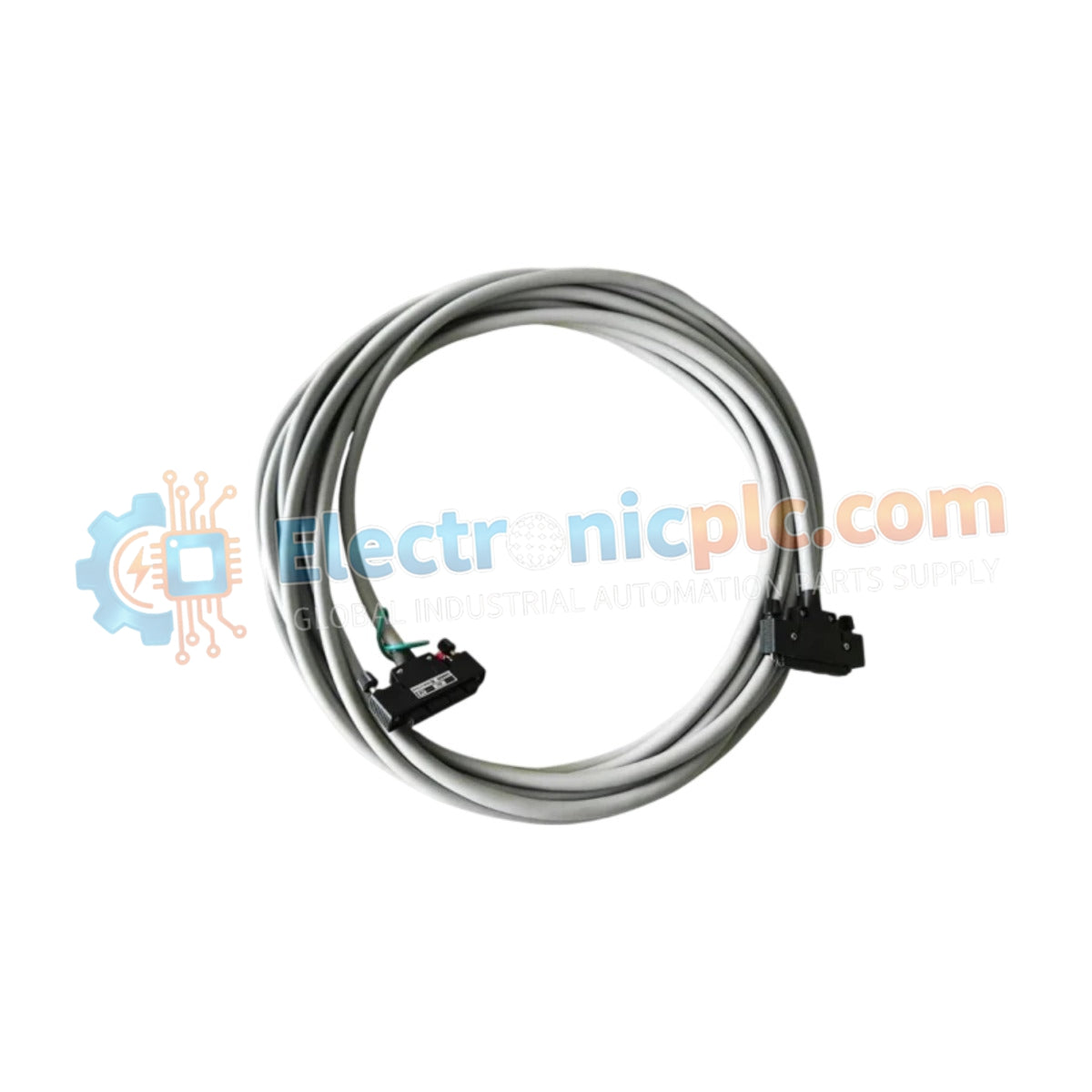
Configured for high-density signal integration in DCS control platforms, the Yokogawa KS1-10/SAI143 (KS1 Signal Cable) provides direct physical execution of data transmission between I/O modules and power frames. This cable assembly utilizes a 40-pin to 40-pin interface to ensure consistent electrical continuity across system cabinet infrastructure.
| Suffix Code | Specification |
|---|---|
| KS1 | Base Signal Cable Series |
| -10 | Cable length of 10 m |
| /SAI143 | Compatibility designation for SAI143 module interface |
| 1B* | Style B construction standard |
| Parameter | Specification |
|---|---|
| Model | KS1-10/SAI143 |
| Brand | Yokogawa |
| Origin | Japan |
| Weight | 2.0 kg |
| Dimensions | 10 m length |
| Operating Temp | -20 deg C to +70 deg C |
| Power Consumption | Not applicable (Passive) |
| Connector Type | 40-pin to 40-pin |
| Construction | Industrial-grade insulated cable |
The KS1-10/SAI143 is engineered to maintain signal fidelity in high-EMI environments. The robust 40-pin connector geometry ensures low contact resistance, which is vital for preventing voltage drops in analog loops or noise-induced errors in digital bitstreams. The insulation material is selected for resistance to thermal degradation, supporting operational stability within the specified -20 deg C to +70 deg C ambient range. The cable assembly provides a stable interface between Yokogawa DCS modules and field terminal blocks, ensuring that ground reference integrity is preserved through the connector shells.
Q: Is this cable suitable for use in areas with high vibration?
A: Yes, the 40-pin connector housing includes locking mechanisms designed to withstand standard industrial vibration levels, provided the cable is supported at regular intervals along its routing path.
Q: Can this 10 m cable be extended by daisy-chaining with additional units?
A: No, extending the cable length beyond the factory specification can introduce signal attenuation and impedance mismatches, which may adversely affect communication performance with the connected modules.


