
My Cart
0 items
Genuine Automation Parts | Worldwide Express Delivery | 12-Month Warranty — [GET A QUOTE]

The Yokogawa KS1-10, also cataloged as the KS1 Signal Cable, operates as a dedicated hardware component for 40-pin to 40-pin electrical interconnection between process I/O modules and terminal blocks within...
Availability: In stock
Reliable Worldwide Delivery
30-Day Money-Back Guarantee
Need more details? Read our fullShipping PolicyandRefund Policy.
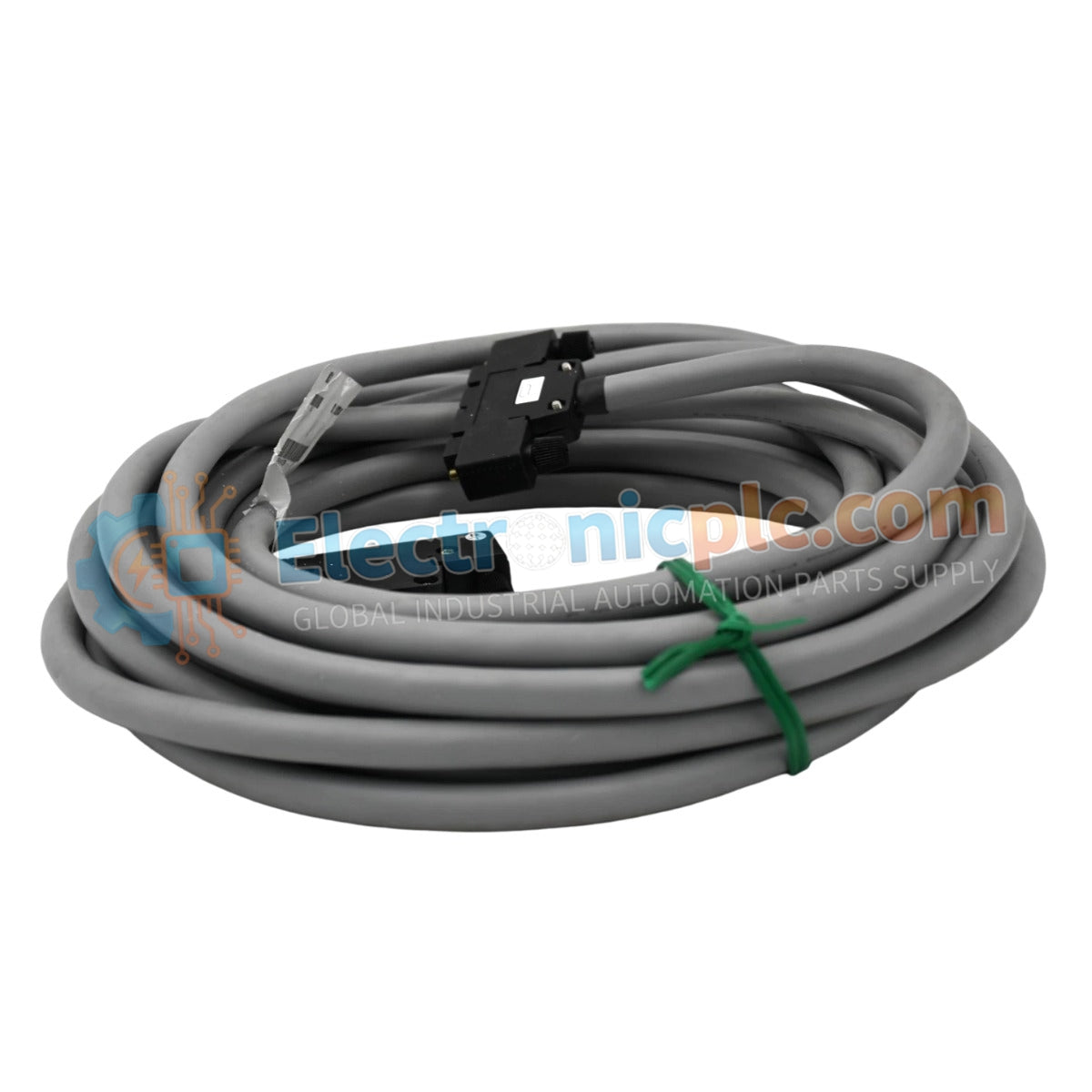

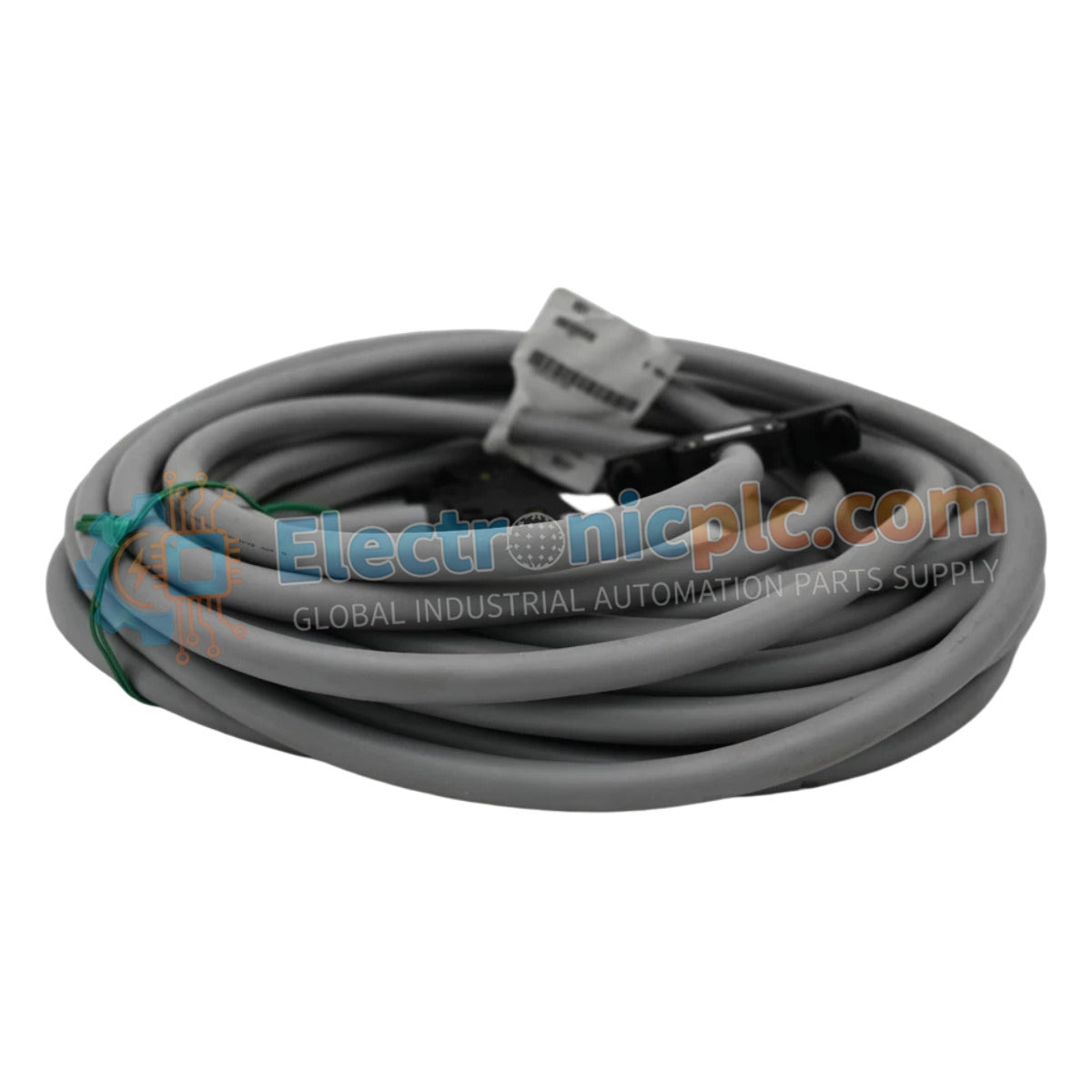
The Yokogawa KS1-10, also cataloged as the KS1 Signal Cable, operates as a dedicated hardware component for 40-pin to 40-pin electrical interconnection between process I/O modules and terminal blocks within distributed control system platforms.
| Parameter | Specification |
|---|---|
| Model | KS1-10 |
| Brand | Yokogawa |
| Origin | Japan |
| Weight | 0.8 kg |
| Dimensions | 10 m (length) |
| Operating Temp | -20 to 70 deg C |
| Power Consumption | Not applicable (Passive component) |
| Pin Configuration | 40-pin to 40-pin |
| Insulation Resistance | 50 M ohms minimum at 500 V DC |
The KS1 series utilizes multi-conductor shielded construction to maintain 4-20 mA HART loop protocol integrity and digital signal transmission clarity within control cabinets. The 40-pin connector interfaces facilitate high-density signal mapping across Yokogawa I/O arrays. To minimize crosstalk and attenuation over the 10 m span, the conductors meet strict impedance requirements for DCS fieldbus applications. Proper termination of the cable shield at the designated cabinet chassis ground point is required to mitigate electromagnetic interference in industrial environments.
Q: Can the KS1-10 cable be extended or spliced if a longer reach is required?
A: No. Splicing or extending the KS1-10 cable is not recommended as it compromises the shielded signal path, increases the risk of impedance mismatch, and invalidates the factory-molded integrity of the 40-pin connectors.
Q: What are the primary spacing requirements when routing this cable near AC power conduits?
A: To prevent noise coupling, maintain a minimum separation of 150 mm between the signal cable and any high-voltage AC power lines. Utilize dedicated metal wire ducts if parallel routing is unavoidable.


