Skip to product information
1 of 3

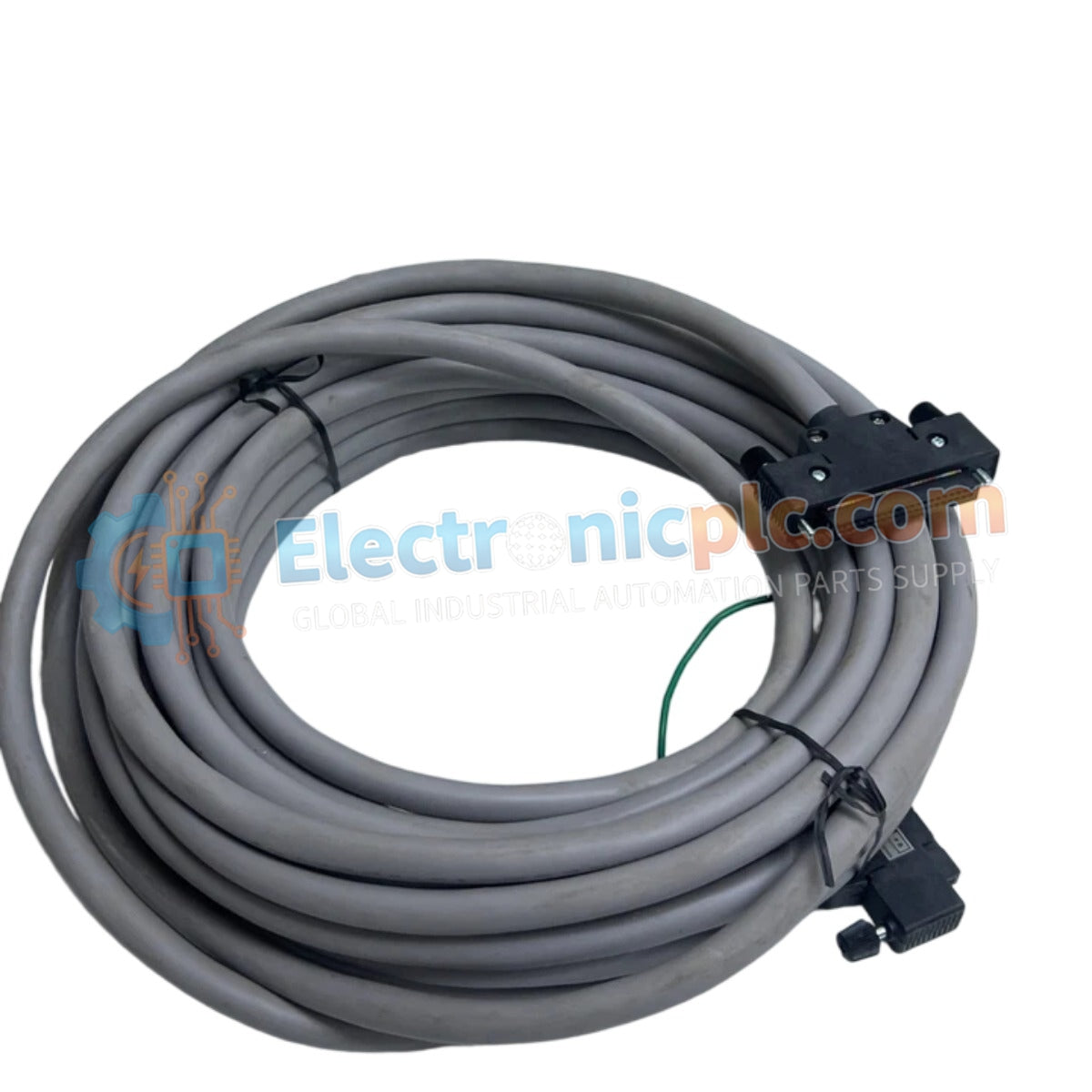
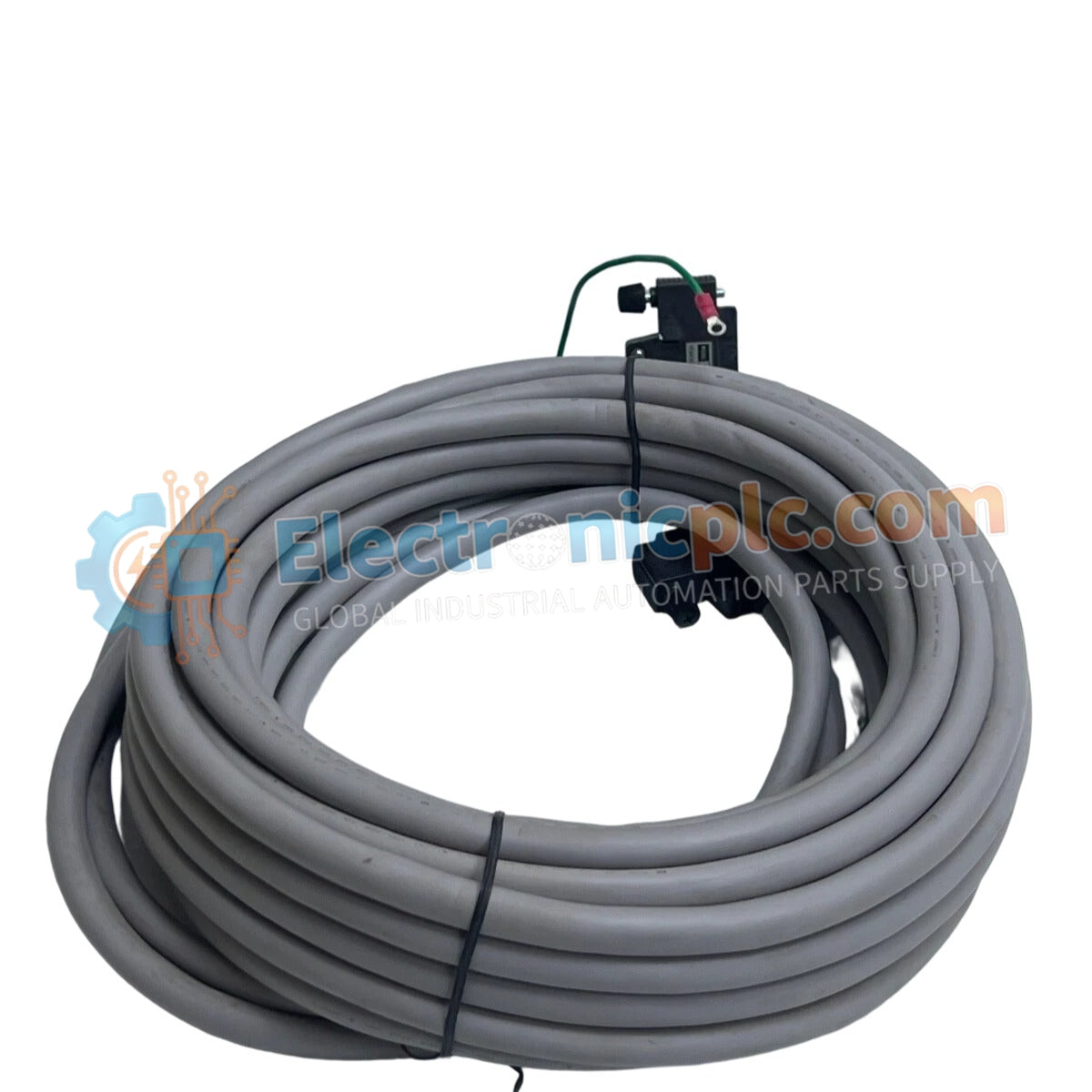
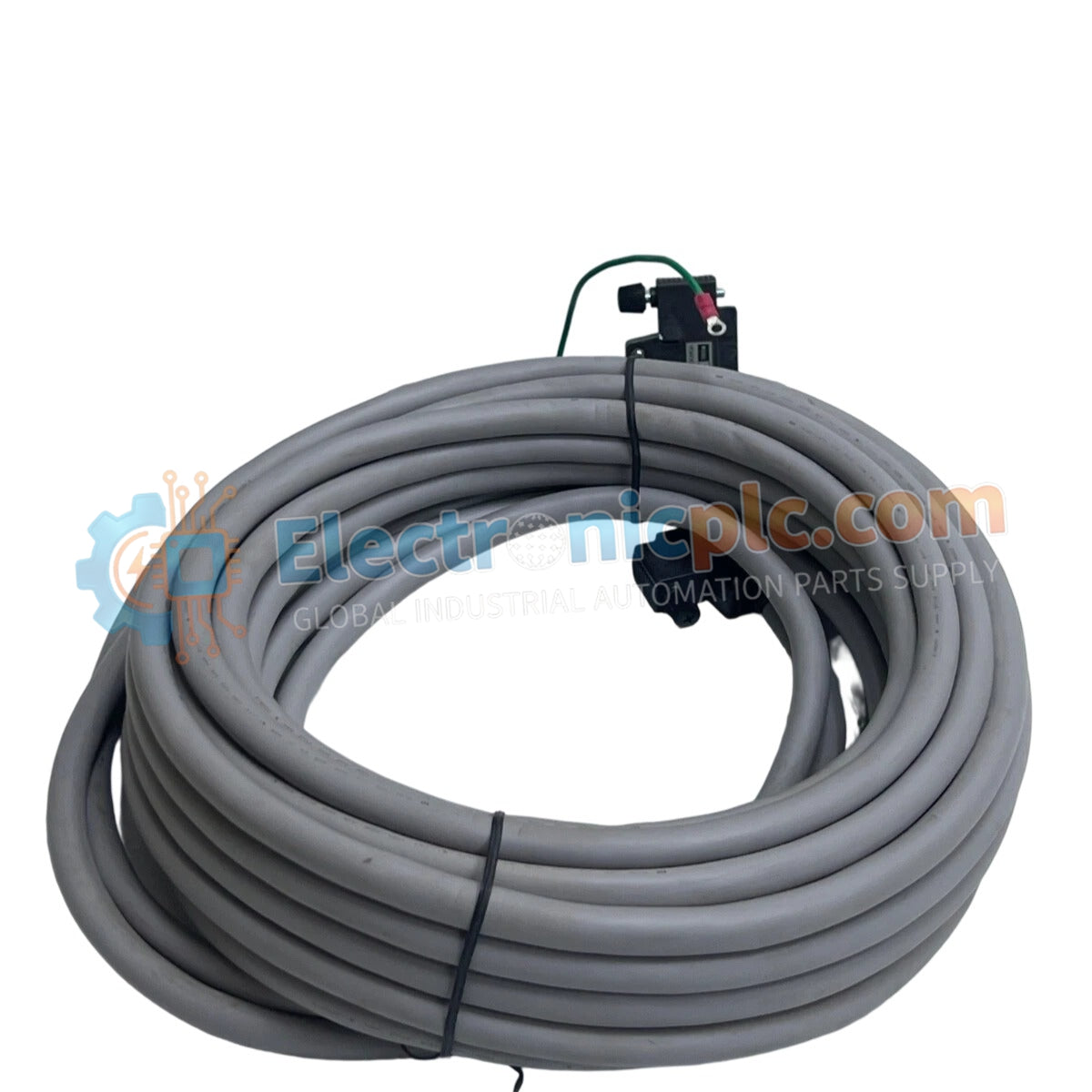
KS1-15*B YOKOGAWA Signal Cable | New & Original Stock

KS1-15*B YOKOGAWA Signal Cable | New & Original Stock

Configured for high-density signal transmission in DCS instrumentation, the YOKOGAWA KS1-15*B (KS1-15*B Signal Cable) provides direct physical signal interconnectivity between field terminal boards and I/O modules. This hardware component manages...

17 people are viewing this right now

AvailabilityLow stock: 99 left

SKU: KS1-15*B
Vendor: Yokogawa
Category: Signal Cable
Related Series:

Shipping & Returns

Reliable Worldwide Delivery

  • Carriers: Shipped via DHL, FedEx, UPS, or USPS.
  • Dispatch: Orders processed in 1-2 business days and dispatched within 3-5 business days.
  • Tracking: Full tracking details provided via email upon shipment.

30-Day Money-Back Guarantee

  • Guarantee: 30-day return window for in-stock, factory-sealed products.
  • Condition: Items must be unopened, unused, and in original packaging.
  • Authenticity: We guarantee 100% original and authentic hardware.

Need more details? Read our fullShipping PolicyandRefund Policy.
Authenticity & Warranty

  • Genuine Guarantee: We supply only 100% original, brand-new, and factory-sealed industrial automation parts.
  • Full Coverage: Every component is backed by a 12-month comprehensive warranty from the date of purchase.
  • Traceability: All products come with original factory documentation and accessories for full industrial compliance.

Technical Support & Sourcing

  • Expert Assistance: Our technical team provides free consultation to help you verify compatibility for DCS and PLC systems.
  • Rare Part Sourcing: Specializing in obsolete and hard-to-find components from Allen-Bradley, Siemens, ABB, HIMA, and more.
  • Bulk Inquiries: Contact us at pambo@5gplc.com for volume pricing or customized project quotes.
View full product details

Configured for high-density signal transmission in DCS instrumentation, the YOKOGAWA KS1-15*B (KS1-15*B Signal Cable) provides direct physical signal interconnectivity between field terminal boards and I/O modules. This hardware component manages multi-channel data path integrity across distributed control system platforms.

Suffix Breakdown & Model Matrix

  • KS1: Base model identifier for the high-density 40-pin signal cable series.
  • -15: Specifies the cable length configuration, where 15 equals 15 meters.
  • *B: Designates the style code for the connector housing and shielding configuration.

Hardware Specifications

Parameter Specification
Model KS1-15*B
Brand Yokogawa
Origin Japan
Weight 1.67kg
Dimensions 15 meters length
Operating Temp -20 deg C to +70 deg C
Power Consumption Not applicable (Passive transmission media)
Connector Type 40-pin to 40-pin interface
Shielding Foil and braid EMI protection

Process Control Signal Integrity

The KS1-15*B utilizes copper conductors and integrated shielding to maintain signal fidelity in industrial environments prone to electromagnetic interference (EMI). The 40-pin connector architecture allows for bulk signal transition, reducing the wiring complexity typically associated with high-density I/O clusters. The PVC insulation ensures flexibility and protection against common environmental factors within control cabinets and cable trays.

Frequently Asked Questions

Q: Can the 15-meter length affect the voltage drop of analog signal loops?

A: Yes, signal loops at lengths of 15 meters must account for the conductor resistance. Ensure the total loop impedance remains within the transmitter and I/O module specifications to maintain accurate 4-20 mA loop operation.

Q: Is the shield drain wire intended for grounding at both ends?

A: Best practice typically involves grounding the shield at a single reference point—usually the cabinet ground bus—to prevent the formation of ground loops that could inject electrical noise into the signal path.

Field Installation Guidelines

  • Inspect all 40 pins of the connector headers for debris or oxidation before mating to ensure a gas-tight electrical connection.
  • Route the cable through dedicated signal trays, ensuring a minimum separation distance from high-voltage AC lines and VFD power cabling to mitigate inductive interference.
  • Avoid exceeding the cable's minimum bend radius during installation to prevent internal conductor damage or shield deformation.
  • Ensure the locking clips on the 40-pin connectors are fully engaged to prevent intermittent signal loss due to mechanical vibration.
  • Perform a continuity check on signal lines before commissioning the associated I/O loops to confirm correct pin-to-pin mapping.