
My Cart
0 items
Genuine Automation Parts | Worldwide Express Delivery | 12-Month Warranty — [GET A QUOTE]

The Yokogawa MDK2-S1, also cataloged as the MDK2-S1, operates as a dedicated Input/Output (I/O) module designed for seamless integration within Yokogawa’s distributed control systems (DCS)....
Availability: Low stock: 99 left
Reliable Worldwide Delivery
30-Day Money-Back Guarantee
Need more details? Read our fullShipping PolicyandRefund Policy.
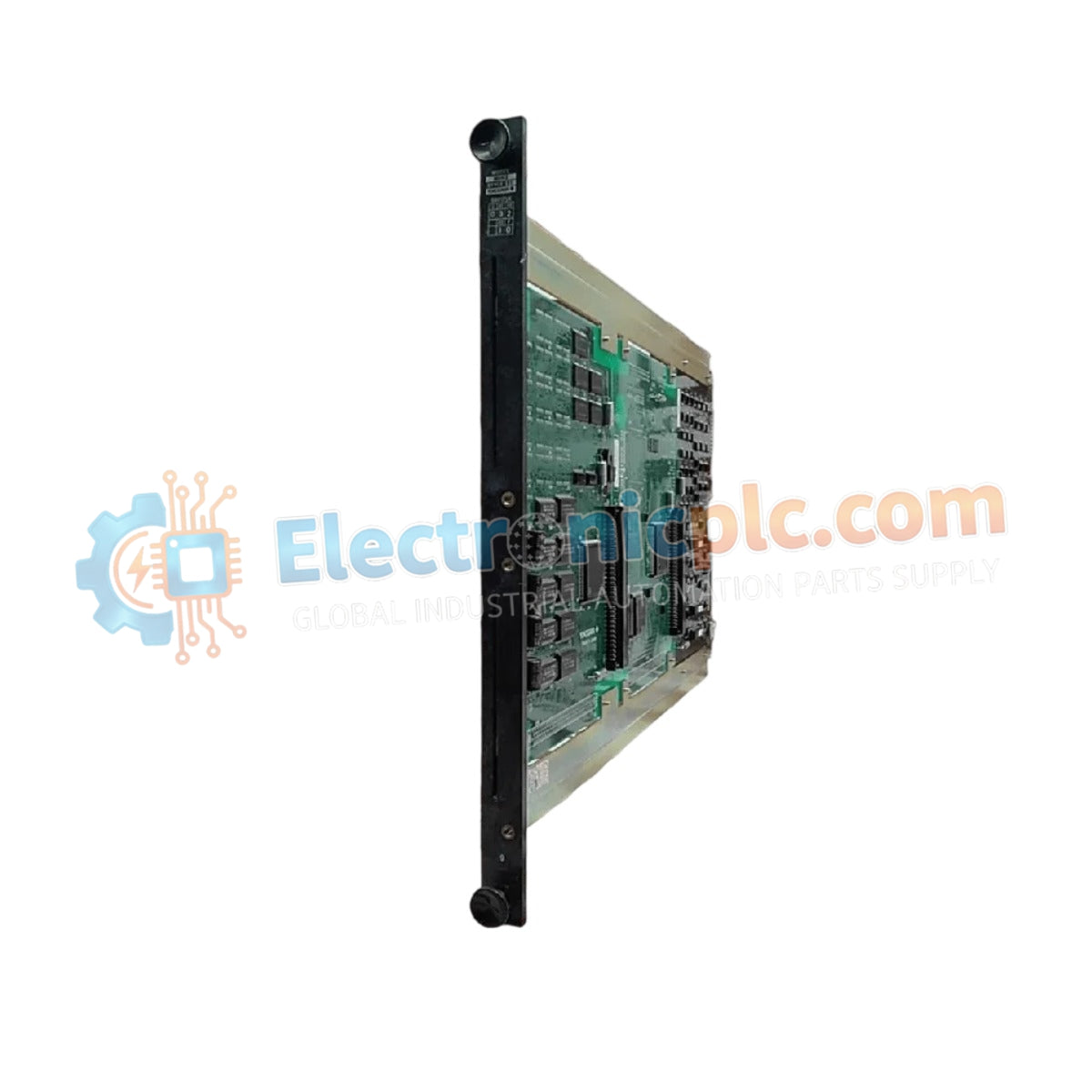
The Yokogawa MDK2-S1, also cataloged as the MDK2-S1, operates as a dedicated Input/Output (I/O) module designed for seamless integration within Yokogawa’s distributed control systems (DCS). This module provides direct electrical execution of signal acquisition and control output, facilitating the precise interface between field-level instrumentation and centralized control processors.
| Parameter | Specification |
| Model | MDK2-S1 |
| Brand | Yokogawa |
| Type | I/O Module |
| Origin | Japan |
| Operating Temp | 0 to 50 deg C |
| I/O Capability | Configurable (Analog/Digital) |
| Backplane Interface | Yokogawa Proprietary Bus |
| Isolation | Channel-to-channel / Channel-to-system |
The MDK2-S1 is engineered to maintain high signal integrity in challenging industrial environments. Its architecture supports the conversion of field signals into normalized digital data for the controller, while simultaneously executing command signals for actuators or other field devices. The internal circuitry is designed for robust electromagnetic compatibility (EMC), ensuring that process control loops remain stable and free from interference caused by external noise sources.
Q: Does the MDK2-S1 support hot-swapping?
A: No, the MDK2-S1 is not designed for hot-swapping. The control station must be powered down or placed in a defined maintenance mode to prevent backplane communication errors or electrical damage during installation or removal.
Q: How is the module configured for different I/O types?
A: Configuration is handled via the system's engineering software. Parameters such as signal range, filtering, and alarm thresholds are mapped to the module's addresses through the central configuration interface during the project deployment phase.
Ensure the control rack is de-energized before inserting the MDK2-S1 into the designated I/O slot.
Verify proper alignment of the backplane connectors to prevent bending the pins, which can cause intermittent communication faults.
Secure the module using the front-panel locking mechanisms to provide a path to the chassis ground, which is essential for minimizing electromagnetic interference.
Use shielded, twisted-pair cabling for all field signal runs, keeping these separate from high-voltage AC lines to maintain the integrity of analog inputs.
Perform a full diagnostic check through the engineering station after installation to confirm that the module is correctly recognized and active on the controller network.
