
My Cart
0 items
Genuine Automation Parts | Worldwide Express Delivery | 12-Month Warranty — [GET A QUOTE]

The Yokogawa MRT-A, also cataloged as the MRT-A RTD Terminal Board, operates as a dedicated hardware component for 32-channel resistance temperature detector (RTD) signal termination and conditioning within distributed control...
Availability: In stock
Reliable Worldwide Delivery
30-Day Money-Back Guarantee
Need more details? Read our fullShipping PolicyandRefund Policy.


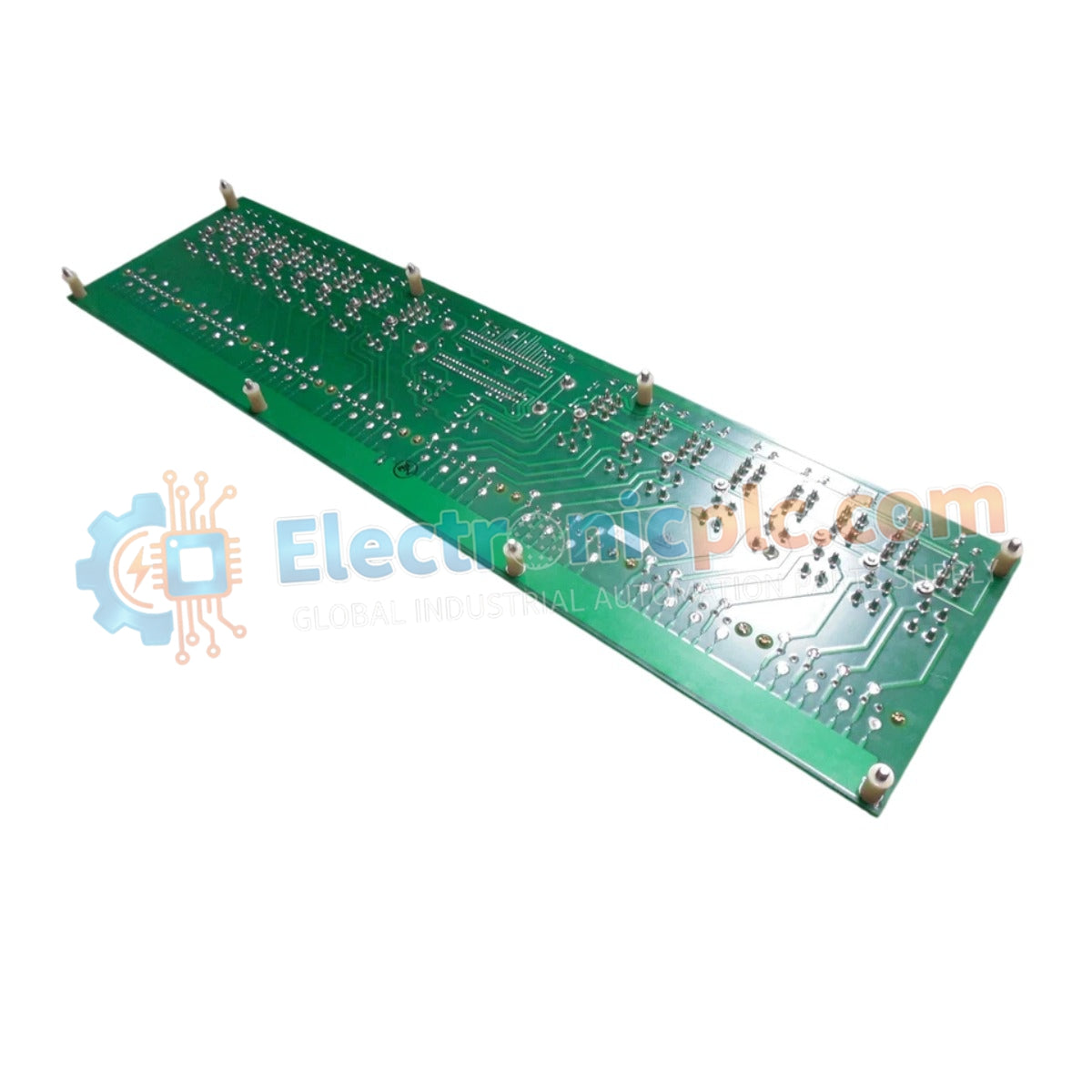
The Yokogawa MRT-A, also cataloged as the MRT-A RTD Terminal Board, operates as a dedicated hardware component for 32-channel resistance temperature detector (RTD) signal termination and conditioning within distributed control system (DCS) platforms.
| Parameter | Specification |
|---|---|
| Model | MRT-A |
| Brand | Yokogawa |
| Origin | Japan |
| Weight | 1.8 kg |
| Dimensions | Standard rack-mount format |
| Operating Temp | 0 to 50 deg C |
| Power Consumption | Not applicable (Passive interface) |
| Input Channels | 32 (16 x 2 configuration) |
| Insulation Resistance | 100 M ohm minimum at 500 V DC |
| Connection Type | M4 screws |
The MRT-A terminal board serves as the physical bridge between field-mounted RTDs and Yokogawa AMM32C analog input modules. Engineered to manage 32 points of data, the board supports precise temperature measurement by providing stable, low-resistance connections for multi-wire RTD configurations. The design ensures high insulation resistance, critical for preventing leakage currents that could skew temperature readings in high-density process control arrays. By utilizing M4 screw terminals, the board ensures mechanical stability and consistent electrical contact for long-term operational stability in industrial environments.
Q: Is the MRT-A terminal board compatible with other Yokogawa analog input modules beyond the AMM32C?
A: The MRT-A is specifically optimized for the AMM32C module's pin mapping. While it may share electrical characteristics with other boards, using it with incompatible modules can lead to incorrect channel addressing or signal measurement errors.
Q: How should the shield wires be terminated on the MRT-A board to ensure optimal noise rejection?
A: Shield wires should be terminated at the designated grounding terminal provided on the board chassis. Ensure that this chassis ground is tied to a low-impedance cabinet ground bus to effectively drain EMI/RFI noise before it enters the sensitive RTD signal path.


