Skip to product information
1 of 3

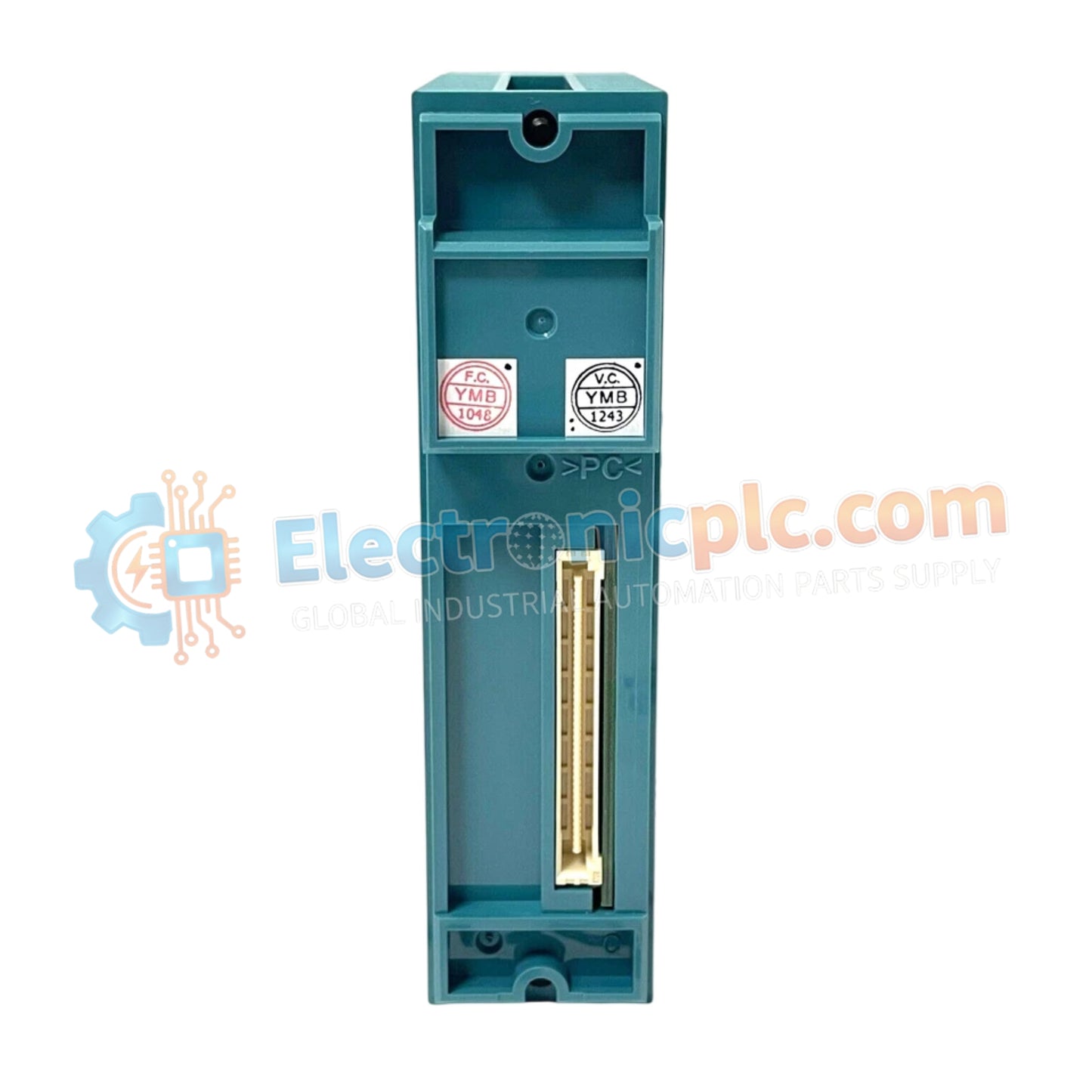
NFAI543-H50/A4S00 Analog Output Module YOKOGAWA

NFAI543-H50/A4S00 Analog Output Module YOKOGAWA

Configured for current loop control in DCS platforms, the YOKOGAWA NFAI543-H50/A4S00 (NFAI543 Analog Output Module) provides direct physical/electrical execution. This component facilitates the transmission of 4-20 mA analog signals to...

25 people are viewing this right now

AvailabilityIn stock

SKU: NFAI543-H50/A4S00
Vendor: Yokogawa
Related Series:

Shipping & Returns

Reliable Worldwide Delivery

  • Carriers: Shipped via DHL, FedEx, UPS, or USPS.
  • Dispatch: Orders processed in 1-2 business days and dispatched within 3-5 business days.
  • Tracking: Full tracking details provided via email upon shipment.

30-Day Money-Back Guarantee

  • Guarantee: 30-day return window for in-stock, factory-sealed products.
  • Condition: Items must be unopened, unused, and in original packaging.
  • Authenticity: We guarantee 100% original and authentic hardware.

Need more details? Read our fullShipping PolicyandRefund Policy.

Authenticity & Warranty

  • Genuine Guarantee: We supply only 100% original, brand-new, and factory-sealed industrial automation parts.
  • Full Coverage: Every component is backed by a 12-month comprehensive warranty from the date of purchase.
  • Traceability: All products come with original factory documentation and accessories for full industrial compliance.

Technical Support & Sourcing

  • Expert Assistance: Our technical team provides free consultation to help you verify compatibility for DCS and PLC systems.
  • Rare Part Sourcing: Specializing in obsolete and hard-to-find components from Allen-Bradley, Siemens, ABB, HIMA, and more.
  • Bulk Inquiries: Contact us at pambo@5gplc.com for volume pricing or customized project quotes.
View full product details

Configured for current loop control in DCS platforms, the YOKOGAWA NFAI543-H50/A4S00 (NFAI543 Analog Output Module) provides direct physical/electrical execution. This component facilitates the transmission of 4-20 mA analog signals to field devices, supporting isolated channel processing within the CENTUM VP or similar Yokogawa distributed control system architectures.

Hardware Specifications

Parameter Specification
Model NFAI543-H50/A4S00
Brand YOKOGAWA
Origin JAPAN
Weight 0.4 kg
Dimensions 2.5 cm x 20.3 cm x 15.2 cm
Operating Temp -20 to 70 deg C
Power Consumption 5.5 W (Max)
Output Signal 4-20 mA DC
Accuracy 0.1 % of span

Channel-to-Channel Isolation and Loop Protocol

The NFAI543 module utilizes galvanic isolation techniques to prevent ground loops and common-mode noise interference across high-density analog output channels. Each channel supports the 4-20 mA HART loop protocol, allowing for digital communication overlays on standard analog control paths. The internal circuitry ensures that individual channel failures do not propagate to the common backplane bus, maintaining integrity in the surrounding process control loops.

Frequently Asked Questions

Q: Does the NFAI543-H50/A4S00 support hot-swapping while the system is powered?

A: Yes, the module is designed for hot-swap capability within the Yokogawa base plate, provided the system configuration supports online maintenance modes.

Q: What is the maximum load resistance supported by this analog output channel?

A: The channel is designed to drive a maximum load resistance of 750 Ohm at 20 mA, accounting for line resistance and field device impedance.

Field Installation Guidelines

  • Ensure the module is inserted into the designated slot on the backplane, confirming that the guide pins are correctly aligned before engaging the connector.
  • Secure the module using the top and bottom latching screws to maintain electrical contact with the backplane bus.
  • Shielded twisted-pair cabling is mandatory for 4-20 mA loops to mitigate electromagnetic interference in industrial environments.
  • The cable shield must be grounded at one end only, typically at the marshalling cabinet, to prevent ground loop currents from affecting the signal accuracy.
  • Ensure the ambient operating temperature remains within the specified range of -20 to 70 deg C, with adequate air circulation around the module vents.