
My Cart
0 items
Genuine Automation Parts | Worldwide Express Delivery | 12-Month Warranty — [GET A QUOTE]

The Yokogawa NFSB100-S50 (NFSB100-S50 SB Bus Repeater Module) operates as a dedicated hardware component for signal conditioning and data transmission range extension within the Yokogawa CENTUM VP control architecture. This...
Availability: Low stock: 99 left
Reliable Worldwide Delivery
30-Day Money-Back Guarantee
Need more details? Read our fullShipping PolicyandRefund Policy.
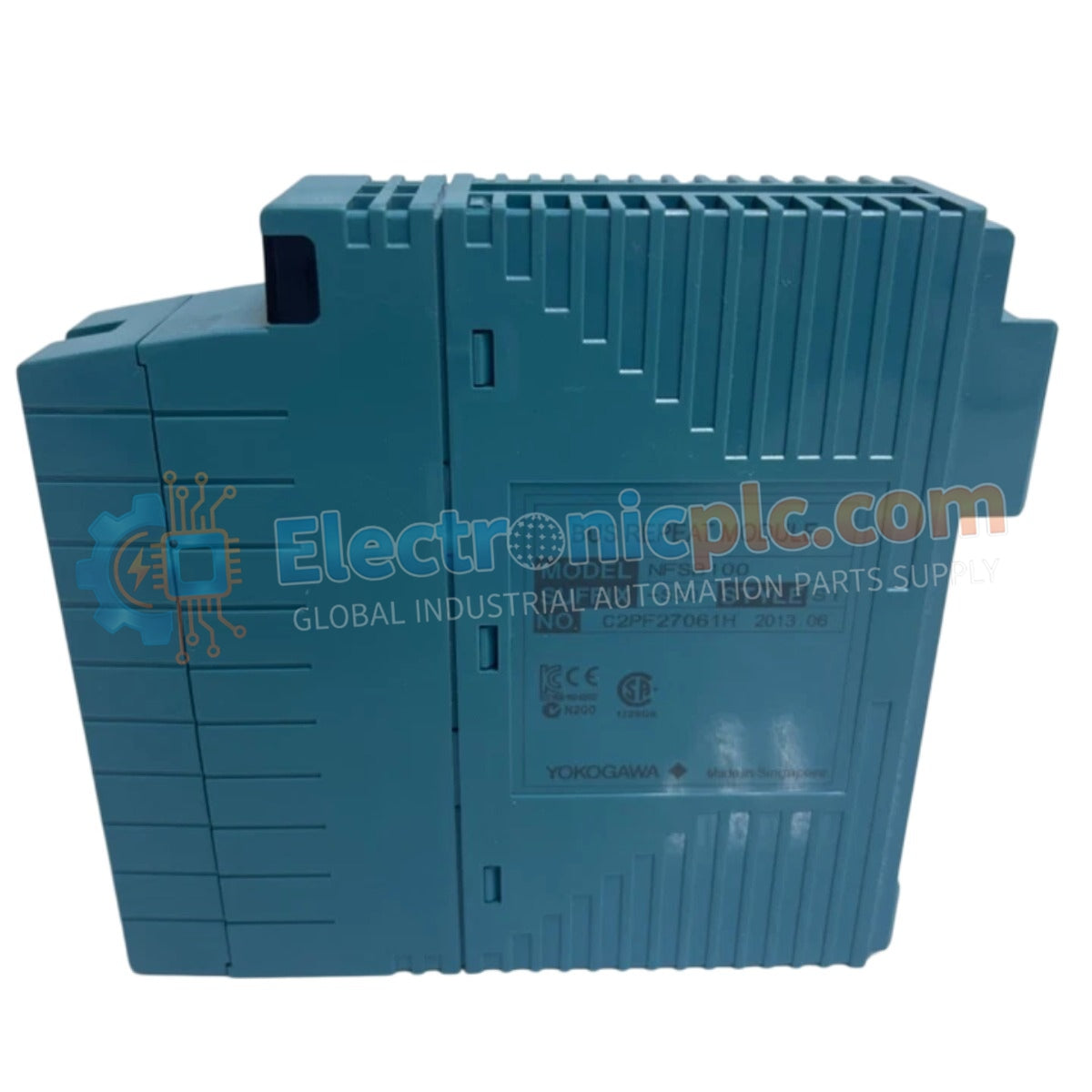

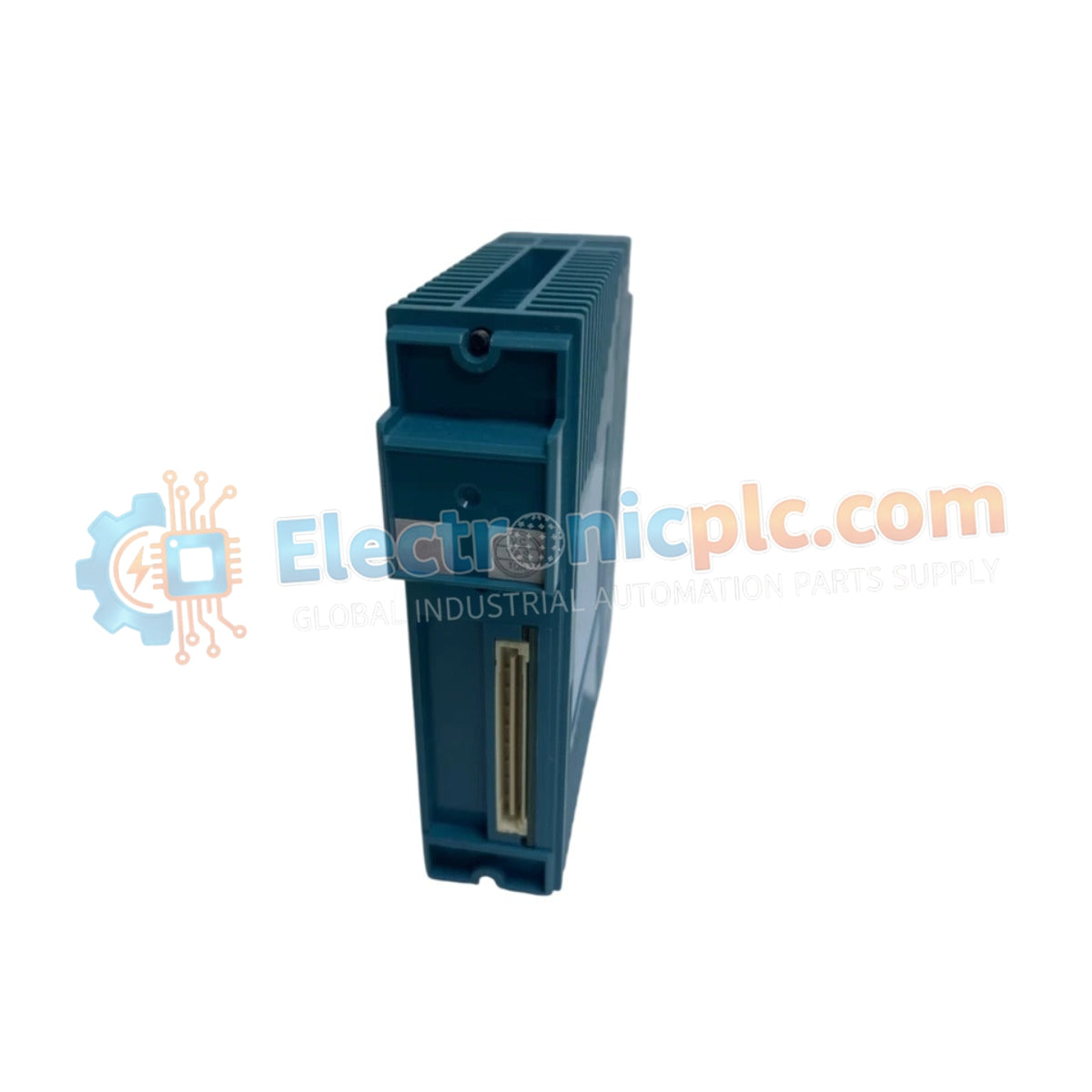
The Yokogawa NFSB100-S50 (NFSB100-S50 SB Bus Repeater Module) operates as a dedicated hardware component for signal conditioning and data transmission range extension within the Yokogawa CENTUM VP control architecture. This module serves as the primary interface utilized to execute optical-to-electrical signal translation and bus synchronization across distributed control station nodes.
| Parameter | Specification |
|---|---|
| Model | NFSB100-S50 |
| Brand | Yokogawa |
| Origin | Japan |
| Weight | 0.85 kg |
| Dimensions | Standard field control unit module footprint |
| Operating Temp | 0 to 60 deg C |
| Power Consumption | 7 W (typical) |
| Interface Type | SB Bus / Optical Link |
The NFSB100-S50 integrates into the DCS architecture to facilitate reliable data exchange between the Field Control Unit (FCU) and remote I/O nodes. By utilizing optical conversion, the module provides galvanic isolation between bus segments, effectively mitigating the effects of ground loops and high-EMI interference common in large-scale industrial plants. The module supports deterministic bus timing, ensuring that data packets are processed with consistent latency to maintain real-time control integrity across the extended bus infrastructure.
Q: Does the NFSB100-S50 require specialized configuration in the system builder software?
A: Yes, the module must be correctly defined within the system database to ensure the control station recognizes the repeater node for bus diagnostic and communication monitoring.
Q: Is this repeater module compatible with standard copper-based SB bus segments?
A: The NFSB100-S50 is specifically designed for optical-to-electrical signal translation; ensure all fiber-optic cabling meets the system-defined attenuation and bandwidth standards.


