
My Cart
0 items
Genuine Automation Parts | Worldwide Express Delivery | 12-Month Warranty — [GET A QUOTE]

Configured for high-frequency pulse acquisition in distributed control systems, the YOKOGAWA AAP135-S53/K4A00 (AAP135-S53) Pulse Input Module provides direct physical and electrical execution for process automation platforms.
Availability: Low stock: 50 left
Reliable Worldwide Delivery
30-Day Money-Back Guarantee
Need more details? Read our fullShipping PolicyandRefund Policy.


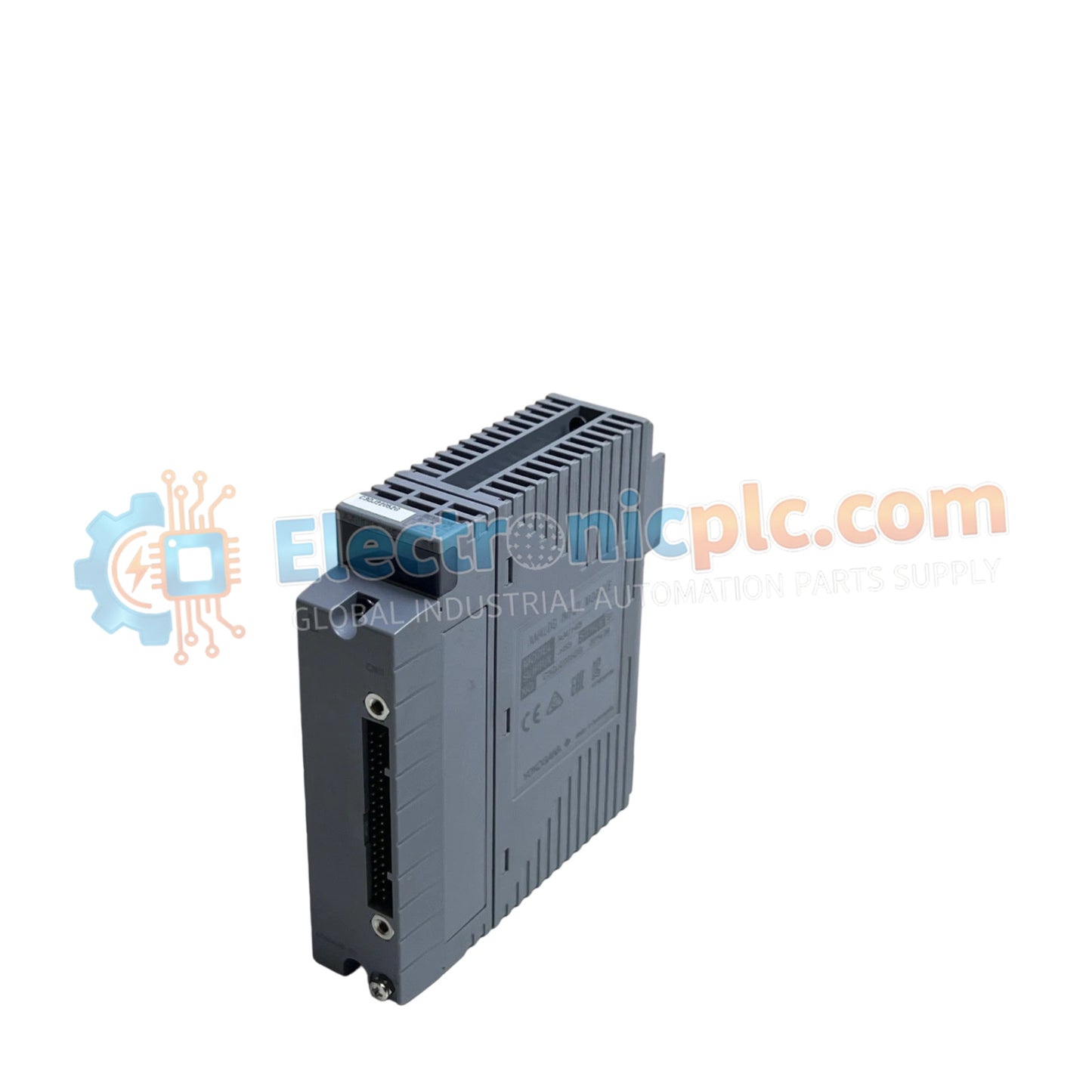
Configured for high-frequency pulse acquisition in distributed control systems, the YOKOGAWA AAP135-S53/K4A00 (AAP135-S53) Pulse Input Module provides direct physical and electrical execution for process automation platforms.
| Parameter | Specification |
|---|---|
| Model | AAP135-S53/K4A00 |
| Brand | YOKOGAWA |
| Origin | Japan |
| Weight | 0.9 kg |
| Dimensions | 3.8 cm x 13.3 cm x 10.8 cm |
| Operating Temp | -20 deg C to +70 deg C |
| Power Consumption | 24 VDC, 0.6 A max from node |
| Channel Capacity | 16 isolated input channels |
| Frequency Range | 0 to 10 kHz |
The module incorporates channel-to-channel optical isolation circuitry designed to eliminate ground loops and common-mode transient interference across multi-loop pulse measurement configurations. Signal conditioning stages filter electromagnetic noise prior to frequency counting conversion, ensuring signal integrity across standard 24 VDC pulse inputs from flow meters and encoders. Internal diagnostic registers continuously monitor field-side loop continuity and frequency thresholds, providing immediate fault flags to the central control processor upon signal loss or range overflow.
Q: What is the maximum frequency response supported by the AAP135-S53/K4A00 module?
A: The module processes pulse input frequencies ranging from 0 up to 10 kHz across all active channels.
Q: Does this module support redundant architecture configurations?
A: Yes, the hardware supports dual-redundant setup configurations for enhanced fault tolerance within CENTUM VP and ProSafe-RS systems.
Mount the AAP135-S53/K4A00 module directly onto designated Yokogawa node unit slots, ensuring secure mechanical engagement with the backplane connectors. Terminate field signal cables using shielded twisted pair wiring, routing pulse lines away from high-voltage power conduits, and connect shield drain bars to the designated cabinet earth grounding point. Verify that terminal connection screws are torqued within manufacturer specified industrial limits prior to system energization.


