
My Cart
0 items
Genuine Automation Parts | Worldwide Express Delivery | 12-Month Warranty — [GET A QUOTE]

The Yokogawa RB301 S2 is a high-performance RIO Bus Interface Master Card engineered for seamless integration within Centum CS and Centum VP distributed control system (DCS) architectures. This module serves...
Availability: Low stock: 99 left
Reliable Worldwide Delivery
30-Day Money-Back Guarantee
Need more details? Read our fullShipping PolicyandRefund Policy.
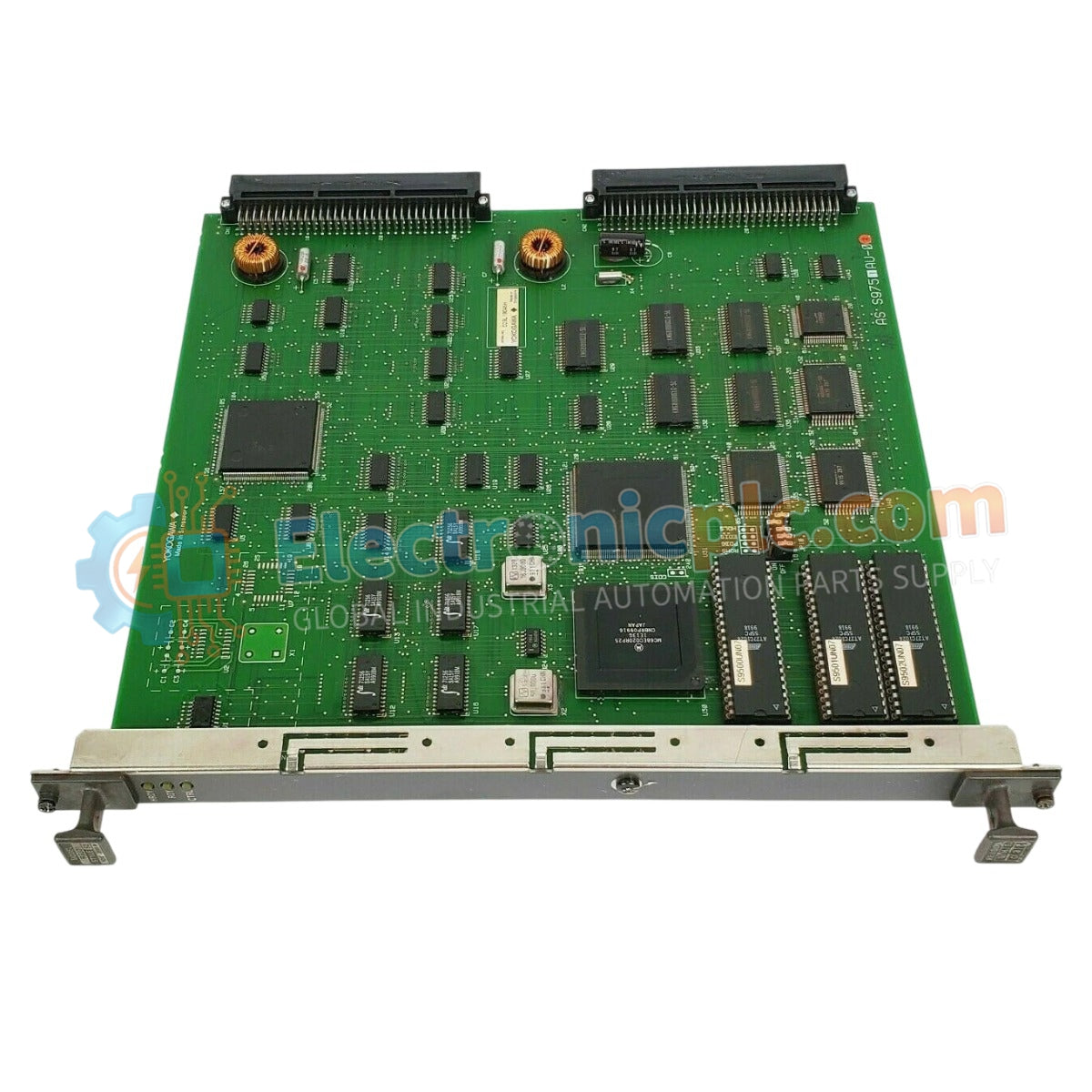

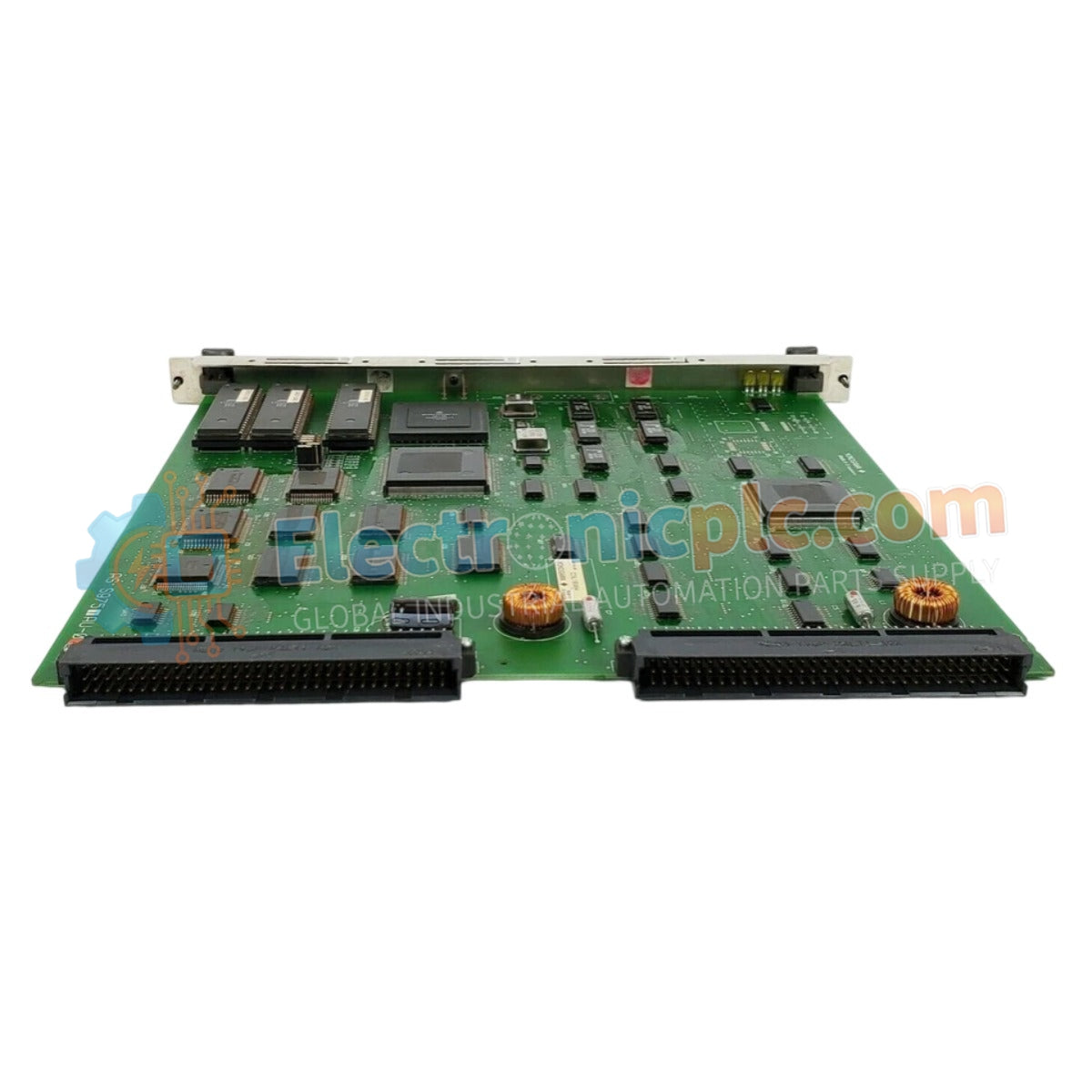
The Yokogawa RB301 S2 is a high-performance RIO Bus Interface Master Card engineered for seamless integration within Centum CS and Centum VP distributed control system (DCS) architectures. This module serves as a critical communication bridge, facilitating high-speed, deterministic data exchange between the central control system and remote I/O subsystems.
| Parameter | Specification |
|---|---|
| Model | RB301 S2 |
| Brand | Yokogawa |
| Weight | 0.4 kg |
| Dimensions | 2.5 cm x 27.9 cm x 25.4 cm |
| Operating Temp | -40°C to +70°C |
| Supported Systems | Centum CS, Centum VP |
| Interface Type | RIO Bus |
The RB301 S2 is designed for versatility, incorporating both electrical and optical transceiver interfaces. This dual-media capability allows the module to be deployed in diverse industrial environments, including those requiring long-distance communication via fiber optics or localized high-speed copper connections. The module supports a wide array of I/O configurations, enabling precise parameter tuning through the system's engineering interface to meet the specific requirements of the control process.
Q: Does the RB301 S2 support hot-swapping under normal operational conditions?
A: No, the RB301 S2 is not designed for hot-swapping. The host station must be powered down or placed in a defined maintenance mode to prevent electrical arcing or system voltage fluctuations during module removal or installation.
Q: What is the benefit of the -40°C to +70°C operating temperature range?
A: This wide temperature tolerance allows the module to operate reliably in harsh, unconditioned industrial environments, such as outdoor remote instrument enclosures or extreme climate processing facilities, without the need for active climate control systems.


