
My Cart
0 items
Genuine Automation Parts | Worldwide Express Delivery | 12-Month Warranty — [GET A QUOTE]

The Yokogawa RS71C, also cataloged as the RS71C DCS Module, operates as a dedicated hardware component for field device communication and control logic processing within industrial automation platforms. This module...
Availability: Low stock: 99 left
Reliable Worldwide Delivery
30-Day Money-Back Guarantee
Need more details? Read our fullShipping PolicyandRefund Policy.


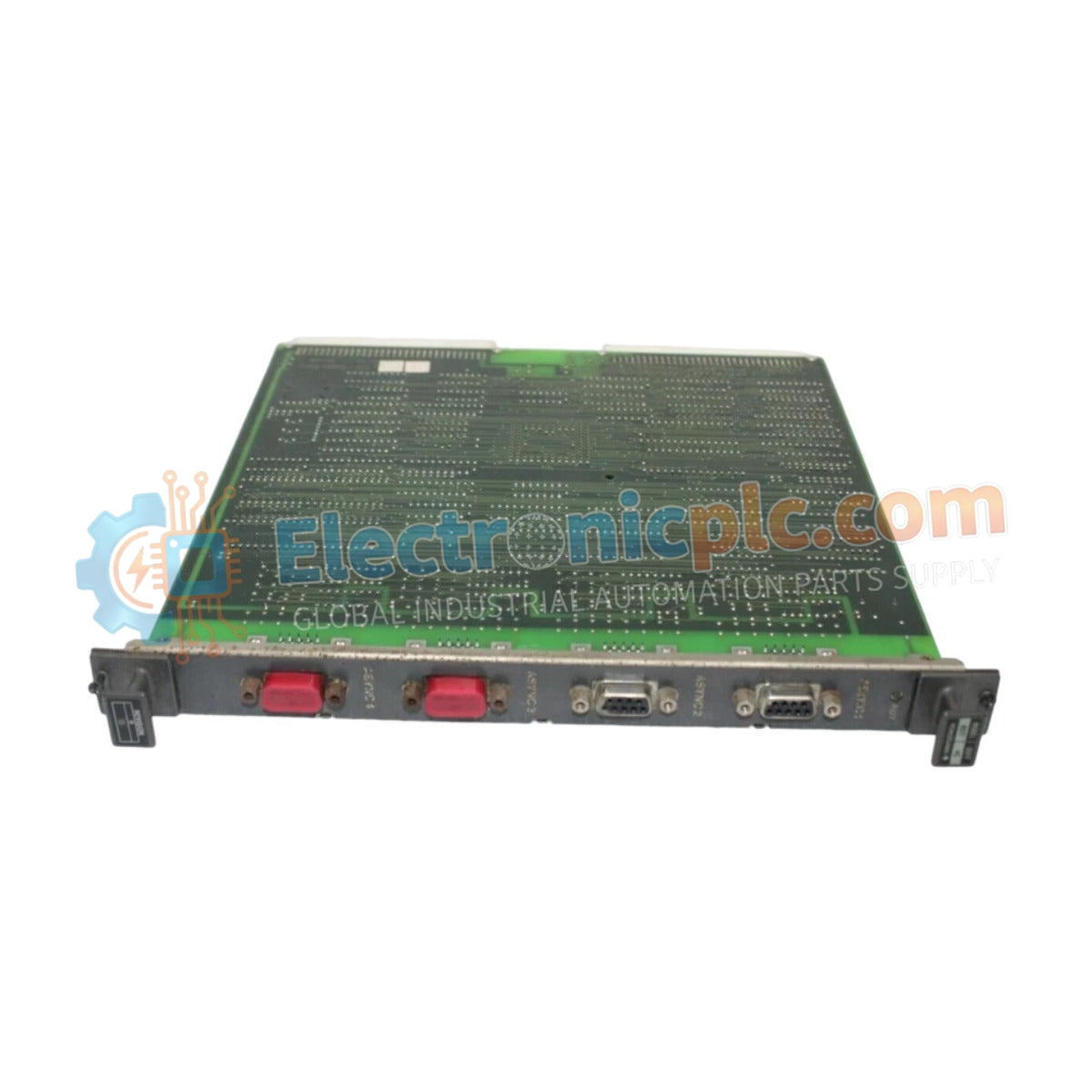
The Yokogawa RS71C, also cataloged as the RS71C DCS Module, operates as a dedicated hardware component for field device communication and control logic processing within industrial automation platforms. This module provides direct electrical execution of data acquisition and signal conversion, facilitating integration between field-level instrumentation and centralized control system architectures.
| Parameter | Specification |
|---|---|
| Model | RS71C |
| Brand | Yokogawa |
| Origin | Japan |
| Weight | 0.5 kg |
| Dimensions | 130 mm x 100 mm x 50 mm |
| Operating Temp | -40 to 70 deg C |
| Power Consumption | 24 VDC |
| Memory | 512 KB to 4 MB RAM / 256 KB to 2 MB Flash |
| I/O Capacity | Up to 128 I/O points |
| Certifications | ATEX, IECEx, FM, CSA |
The RS71C module manages complex control tasks through support for multiple programming environments, including ladder logic, structured text, and function block diagrams. Its internal architecture is engineered to handle up to 128 configurable I/O points, supporting analog, digital, pulse, and communication port interfaces. The unit is designed for deployment in hazardous environments, maintaining full operational status under extreme temperature conditions (-40 to 70 deg C) and high humidity (5% to 95%). Integrated protocol support ensures seamless data exchange across industrial networks, while galvanic isolation protects the module from transient surges in high-density I/O configurations.
Q: Does the RS71C module support hot-swapping during active system operation?
A: No, the module does not support hot-swapping. The host controller station must be powered down or placed in a defined maintenance mode to prevent electrical arcing or backplane bus communication errors during removal or installation.
Q: How is the RS71C configured for specific industrial communication protocols?
A: Protocol configuration is performed via the manufacturer-provided engineering software environment, which allows for the mapping of field devices to specific I/O addresses and the selection of communication parameters within the module's firmware.


