My Cart
0 items
Genuine Automation Parts | Worldwide Express Delivery | 12-Month Warranty — [GET A QUOTE]

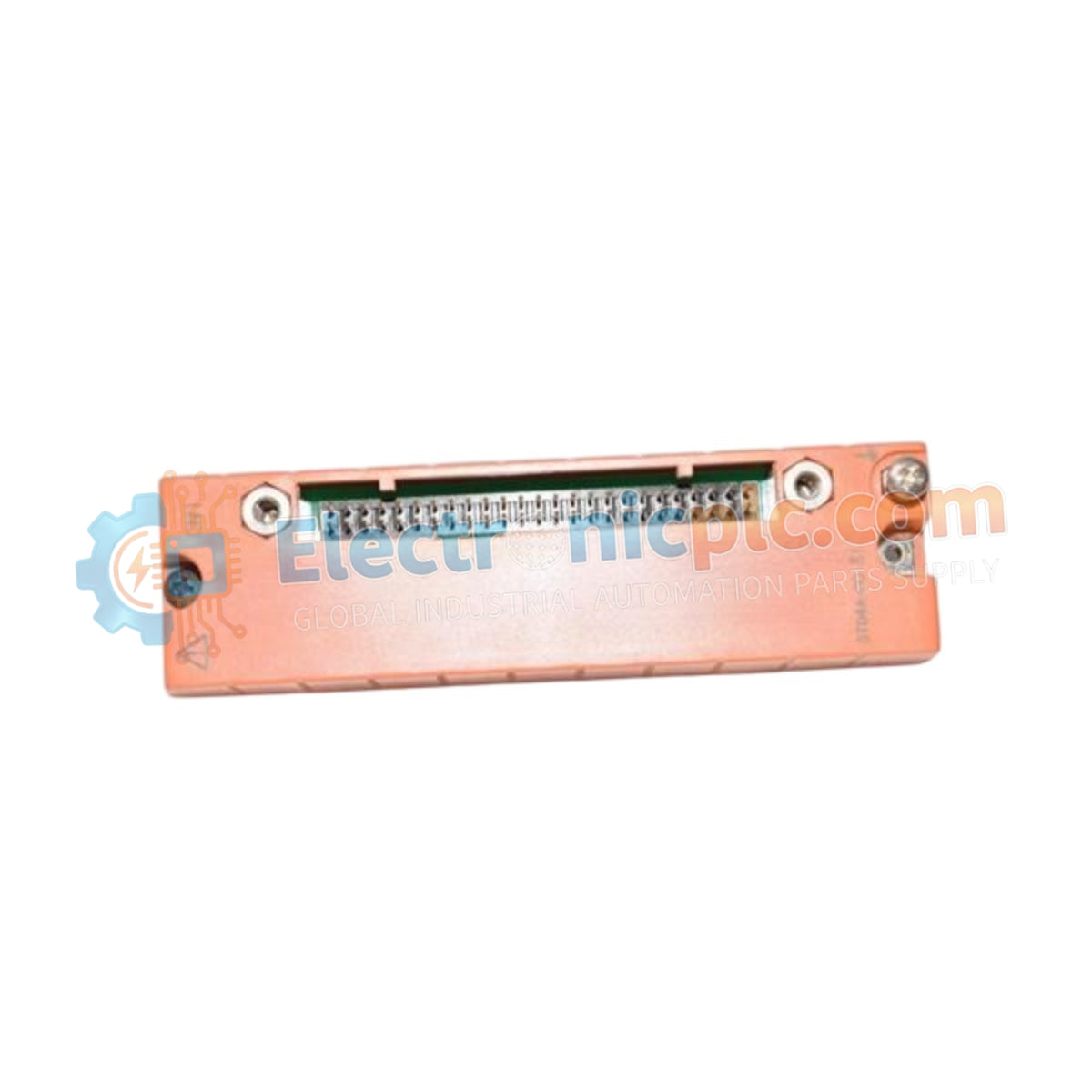
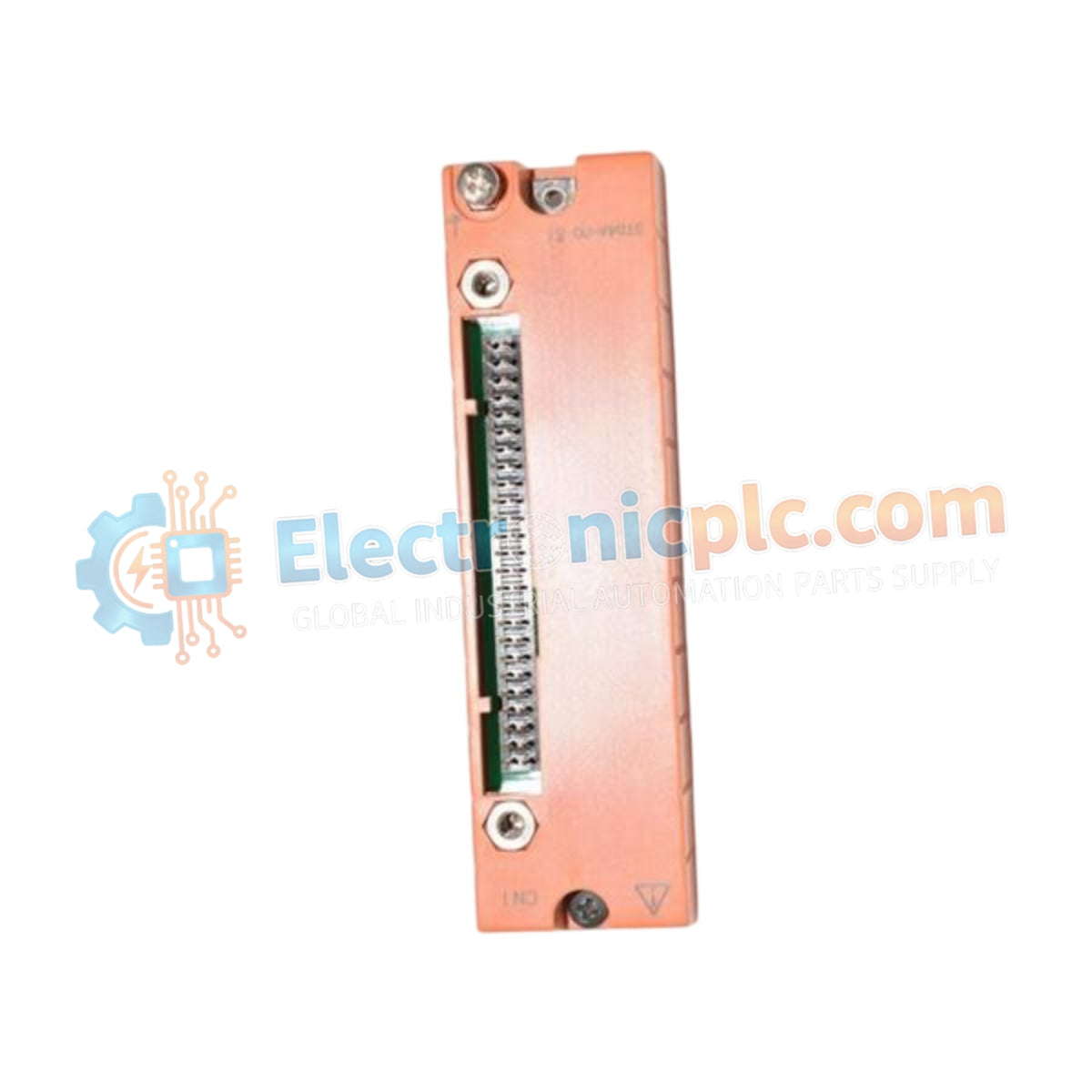
The YOKOGAWA S9681DB, also cataloged as the S9681DB Signal Converter Module, operates as a dedicated hardware component for mixed-signal processing and relay actuation within DCS instrumentation platforms.
| Parameter | Specification |
| Model | S9681DB |
| Brand | YOKOGAWA |
| Origin | Subject to factory batch |
| Weight | 0.5 kg |
| Dimensions | 120 mm x 160 mm x 40 mm |
| Operating Temp | -20 deg C to +60 deg C |
| Power Consumption | 5 W |
| Input Channels | 32 |
| Input Types | Analog, Digital, HART |
| Input Range | -32 V to +32 V, 0 mA to 20 mA, 4 mA to 20 mA |
| Output Type | Relay |
| Output Load | 2 A at 250 VAC |
| Power Supply | 24 VDC |
The module integrates specialized circuitry for channel-to-channel isolation and voltage regulation required for multi-signal conditioning tasks. To maintain consistent output performance, the signal processor utilizes internal feedback mechanisms to compensate for input line fluctuations. The 4-20 mA HART loop protocol architecture is designed to minimize ripple characteristics, facilitating stable operation for sensitive analog input and output modules within the YOKOGAWA ecosystem. Effective thermal management is required, necessitating adequate cabinet airflow to prevent component derating during continuous operation in high-density rack configurations.
Q: How does the S9681DB handle HART communication across the 32 input channels?
A: The module is engineered with passive bypass circuitry that allows HART digital signals to overlay the 4-20 mA analog carrier. Ensure that the associated master controller is configured to process the HART frequency shift keying (FSK) signals to maintain data integrity.
Q: Can the relay outputs be configured for logic-based interlocking?
A: Yes, the 32 channels are mapped to the internal backplane bus, allowing the host CPU to trigger the output relays based on programmable logic. Ensure that the inductive load suppression (e.g., flyback diodes for DC loads) is applied if driving external solenoid valves to prevent contact pitting.