Skip to product information
1 of 3

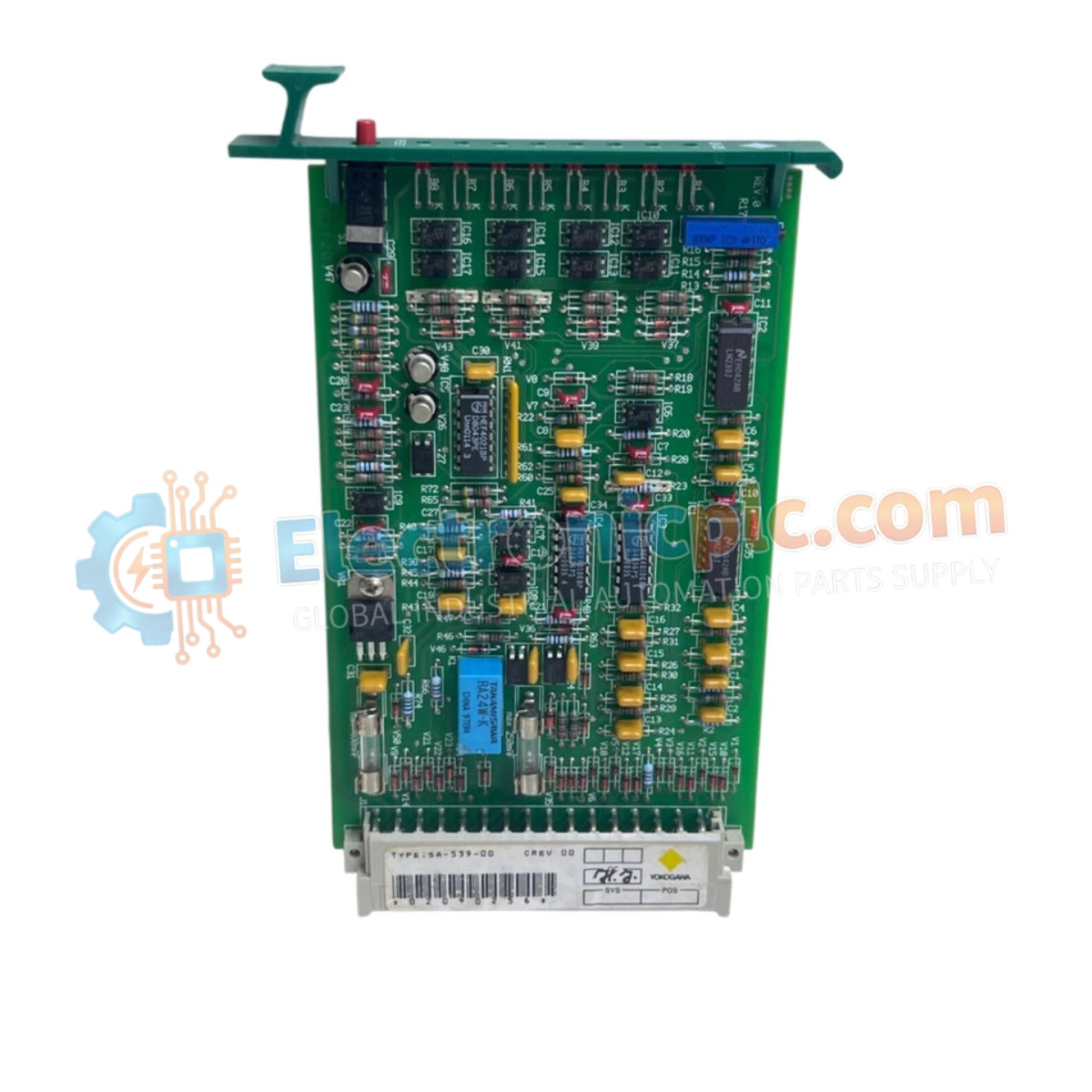
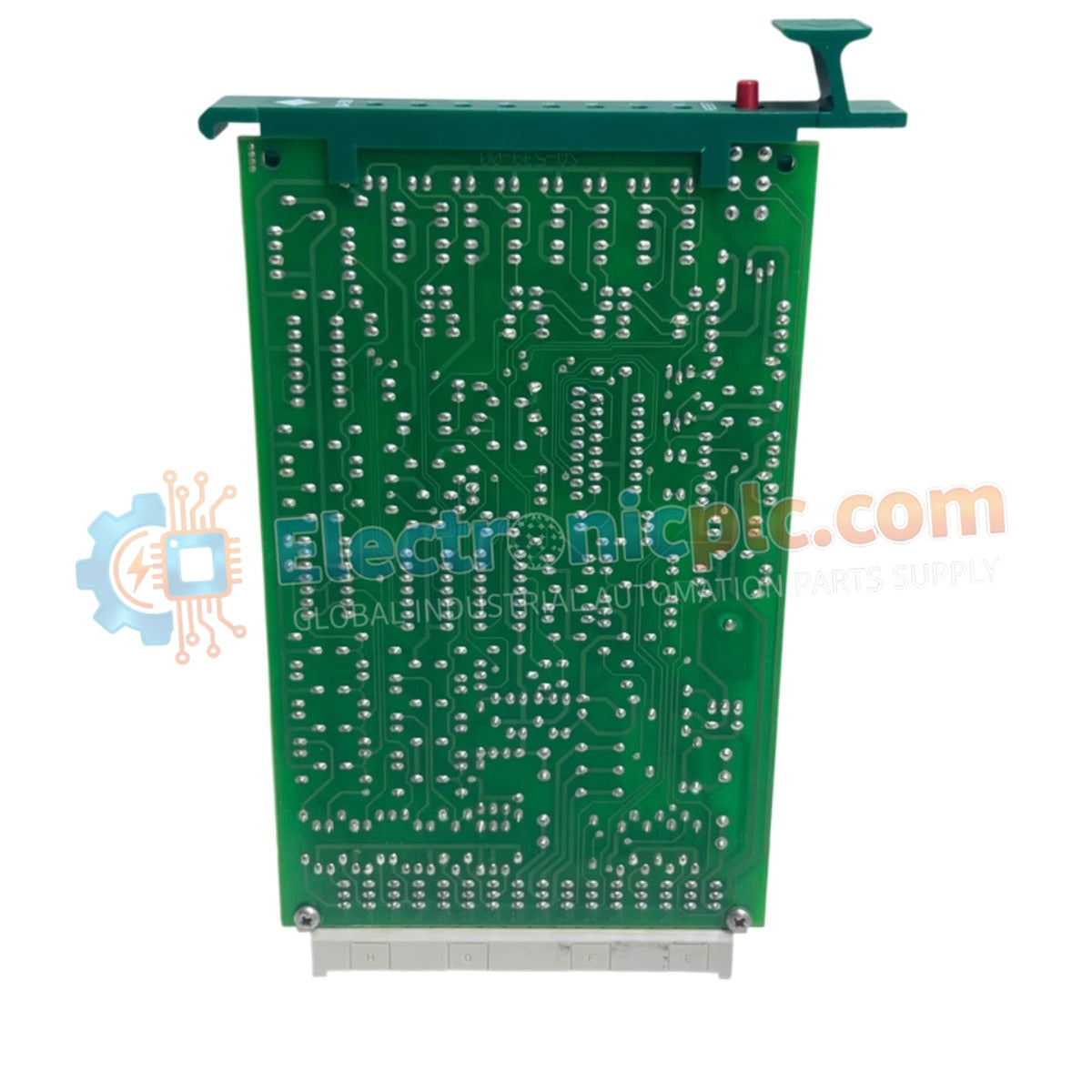
SA-539-00 YOKOGAWA System Fault Alarm Module

SA-539-00 YOKOGAWA System Fault Alarm Module

The YOKOGAWA SA53900, also cataloged as the SA-539-00 System Fault Alarm Module, operates as a dedicated hardware component for monitoring and annunciating system-level diagnostic errors within distributed control and PLC...

22 people are viewing this right now

AvailabilityIn stock

SKU: SA-539-00
Vendor: Yokogawa

Shipping & Returns

Reliable Worldwide Delivery

  • Carriers: Shipped via DHL, FedEx, UPS, or USPS.
  • Dispatch: Orders processed in 1-2 business days and dispatched within 3-5 business days.
  • Tracking: Full tracking details provided via email upon shipment.

30-Day Money-Back Guarantee

  • Guarantee: 30-day return window for in-stock, factory-sealed products.
  • Condition: Items must be unopened, unused, and in original packaging.
  • Authenticity: We guarantee 100% original and authentic hardware.

Need more details? Read our fullShipping PolicyandRefund Policy.
Authenticity & Warranty

  • Genuine Guarantee: We supply only 100% original, brand-new, and factory-sealed industrial automation parts.
  • Full Coverage: Every component is backed by a 12-month comprehensive warranty from the date of purchase.
  • Traceability: All products come with original factory documentation and accessories for full industrial compliance.

Technical Support & Sourcing

  • Expert Assistance: Our technical team provides free consultation to help you verify compatibility for DCS and PLC systems.
  • Rare Part Sourcing: Specializing in obsolete and hard-to-find components from Allen-Bradley, Siemens, ABB, HIMA, and more.
  • Bulk Inquiries: Contact us at pambo@5gplc.com for volume pricing or customized project quotes.
View full product details

The YOKOGAWA SA53900, also cataloged as the SA-539-00 System Fault Alarm Module, operates as a dedicated hardware component for monitoring and annunciating system-level diagnostic errors within distributed control and PLC network architectures.

Hardware Specifications

Parameter Specification
Model SA53900 (SA-539-00)
Brand YOKOGAWA
Origin Japan
Weight 0.11 kg (0.24 lbs)
Dimensions Standard Yokogawa module form factor
Operating Temp 0 deg C to 60 deg C
Power Consumption 24 VDC nominal
Channels 1 main channel with 8 sub-alarm inputs
Interface LED status annunciation

System Fault Annunciation and Logic Monitoring

The SA53900 module is engineered to provide immediate visual and electrical feedback regarding system health. By integrating 8 sub-alarm inputs into a single managed channel, the module reduces the complexity of cabinet-level wiring while ensuring that critical faults are registered by the control system logic. The inclusion of front-panel LED indicators is required for rapid diagnostic verification by field maintenance personnel, allowing for immediate identification of fault conditions without needing to access the control system software.

Frequently Asked Questions

Q: Does the SA53900 require external wiring for the 8 sub-alarm inputs?

A: Yes. Each sub-alarm input must be wired from the corresponding system component (e.g., power supply fault relays or chassis temperature sensors) to the module terminals to facilitate centralized fault monitoring.

Q: Is the SA53900 compatible with older Yokogawa control systems?

A: The module is designed for legacy system architectures. Ensure that the backplane voltage and communication protocols are compatible with the specific revision of the control rack before installation.

Field Installation Guidelines

  1. Module Seating: Insert the SA53900 into the designated slot on the system rack. Ensure the module is properly seated to establish electrical contact with the backplane alarm bus.
  2. Wiring: Utilize shielded wiring for alarm inputs to prevent false tripping caused by induced electromagnetic noise. Terminate shields at the cabinet grounding point.
  3. Functional Testing: After installation, verify the operation of the alarm circuit by simulating a fault condition on one of the sub-alarm inputs and confirming that the main channel and status LEDs reflect the state change.
  4. Maintenance: Regularly inspect the LED indicators during routine cabinet maintenance to ensure the module is active and reporting status correctly. Keep the surrounding area free of debris to maintain convective cooling within the enclosure.