
My Cart
0 items
Genuine Automation Parts | Worldwide Express Delivery | 12-Month Warranty — [GET A QUOTE]

The Yokogawa SB302 S1 ( ESB Bus Interface Card) operates as a dedicated hardware component for managing data synchronization between Field Control Units (FCU) and local I/O nodes within CENTUM...
Availability: Low stock: 99 left
Reliable Worldwide Delivery
30-Day Money-Back Guarantee
Need more details? Read our fullShipping PolicyandRefund Policy.


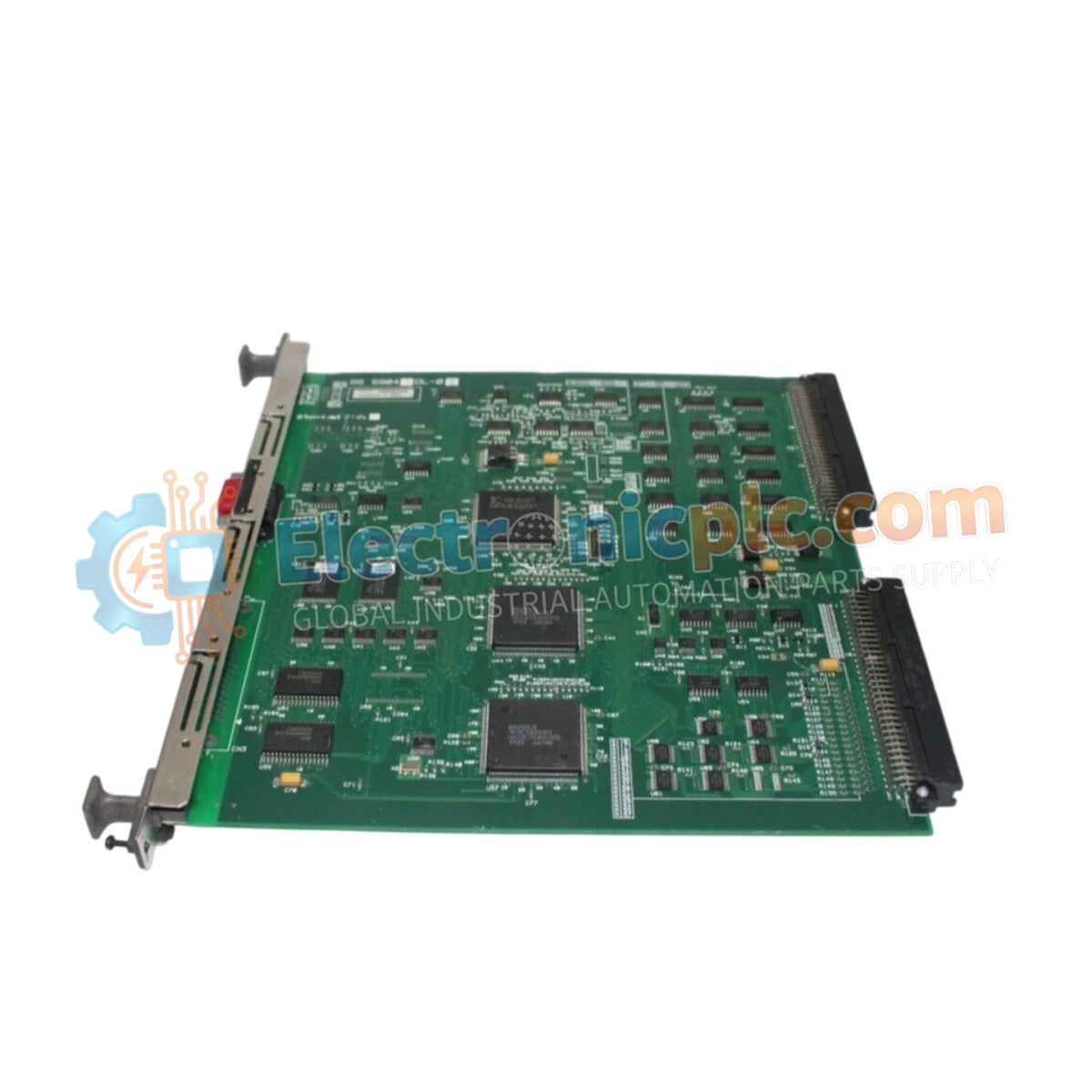
The Yokogawa SB302 S1 ( ESB Bus Interface Card) operates as a dedicated hardware component for managing data synchronization between Field Control Units (FCU) and local I/O nodes within CENTUM VP distributed control architectures. This card serves as the primary interface utilized to execute high-speed bus connectivity and dual-redundant communication paths across integrated Yokogawa control platforms.
| Parameter | Specification |
|---|---|
| Model | SB302 S1 |
| Brand | Yokogawa |
| Origin | Japan |
| Weight | 0.35 kg |
| Dimensions | Standard CENTUM VP module form factor |
| Operating Temp | 0 to 60 deg C |
| Power Consumption | 5 W (typical) |
| Interface Type | ESB Bus / Vnet/IP |
The SB302 integrates into the DCS architecture to provide deterministic communication via the ESB Bus protocol. Its design supports dual-redundancy, allowing the card to maintain continuous data flow between the FCU and field nodes in the event of a primary communication link failure. By providing a direct field device interface for both analog and digital I/O, the SB302 ensures high-speed performance for data-intensive process monitoring. The card further enables network connectivity to external Ethernet-based systems, maintaining strict timing synchronization across the distributed network.
Q: Does the SB302 support automatic failover to the secondary redundant path?
A: Yes, the card is designed for seamless switchover to the redundant communication path without interrupting the data exchange between the FCU and the field nodes.
Q: Is this card compatible with mixed analog and digital I/O configurations?
A: Yes, the module interface is configurable to handle diverse field device types, including various analog loops and discrete input/output signals.


