
My Cart
0 items
Genuine Automation Parts | Worldwide Express Delivery | 12-Month Warranty — [GET A QUOTE]

The 140CPS12420 is a high-capacity AC power supply module engineered for the Schneider Electric Modicon Quantum automation system. It provides regulated 5.1 VDC power to the Quantum backplane and installed I/O modules,...
Availability: Low stock: 94 left
Reliable Worldwide Delivery
30-Day Money-Back Guarantee
Need more details? Read our fullShipping PolicyandRefund Policy.

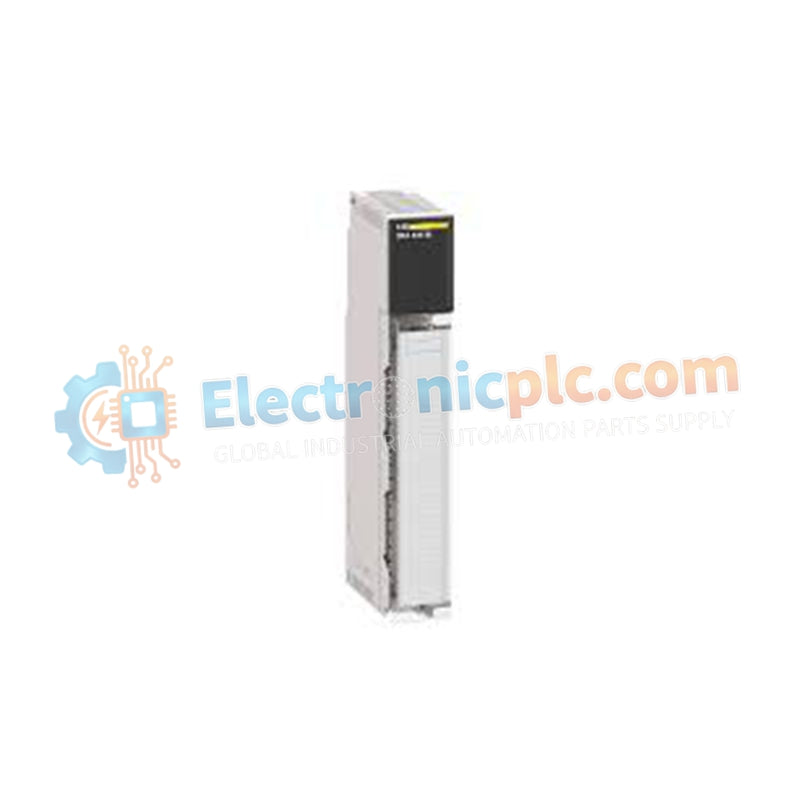
The 140CPS12420 is a high-capacity AC power supply module engineered for the Schneider Electric Modicon Quantum automation system. It provides regulated 5.1 VDC power to the Quantum backplane and installed I/O modules, ensuring stable logic operation across the entire rack.
Designed for global deployment, the module supports dual input voltage ranges (115 VAC and 230 VAC), making it suitable for diverse industrial power infrastructures. It converts raw AC input into clean, regulated DC output essential for processor, communication, and I/O modules.
For enhanced reliability, the 140CPS12420 integrates a dedicated fault-monitoring circuit with a Normally Closed (NC) alarm contact, enabling immediate fault signaling to supervisory or SCADA systems. Its robust construction ensures continuous-duty performance in heavy industrial environments such as power generation, oil & gas, and process automation.
| Parameter | Specification |
|---|---|
| Model Number | 140CPS12420 |
| Module Type | AC Standalone Power Supply |
| Input Voltage | 115 VAC (93–138 V) / 230 VAC (170–276 V) |
| Input Frequency | 47–63 Hz |
| Input Current | 1100 mA @115 V / 600 mA @230 V |
| Peak Inrush Current | 38 A @115 V / 19 A @230 V |
| Net Weight | 0.65 kg |
The 140CPS12420 serves as the primary power source for Quantum local and remote racks. It is widely used in:
Large PLC systems with high I/O density
Distributed control architectures
SCADA-integrated automation platforms
Oil & gas, water treatment, and manufacturing facilities
The integrated fault relay enables remote health monitoring, making it particularly suitable for unmanned or geographically dispersed installations.
What fuse type is required?
The module uses a 2 A slow-blow fuse, designed to tolerate inrush current while protecting against sustained overcurrent conditions.
How is a power failure reported?
An internal Normally Closed relay contact (6 A rating) changes state during power loss or internal fault, allowing external alarm systems or supervisory controllers to detect the condition immediately.

