
My Cart
0 items
Genuine Automation Parts | Worldwide Express Delivery | 12-Month Warranty — [GET A QUOTE]

Configured for high-speed master control in CENTUM VP control systems, the Yokogawa SEC401-11 (SEC401 ESB Bus Coupler Module) provides direct physical execution of bus master interface functions to facilitate data...
Availability: Low stock: 99 left
Reliable Worldwide Delivery
30-Day Money-Back Guarantee
Need more details? Read our fullShipping PolicyandRefund Policy.


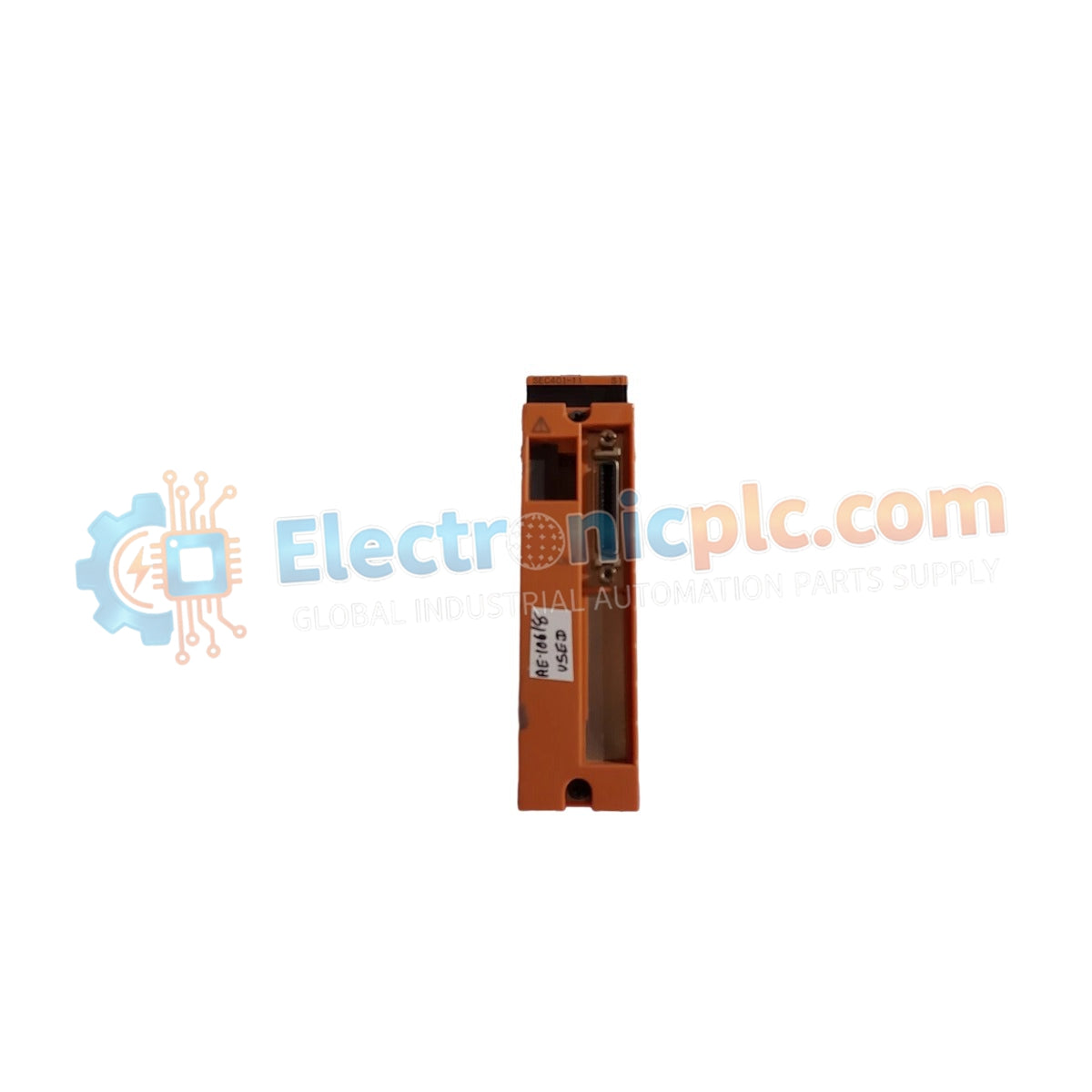
Configured for high-speed master control in CENTUM VP control systems, the Yokogawa SEC401-11 (SEC401 ESB Bus Coupler Module) provides direct physical execution of bus master interface functions to facilitate data exchange between the Field Control Unit (FCU) and peripheral node units.
| Parameter | Specification |
|---|---|
| Model | SEC401-11 |
| Brand | Yokogawa |
| Origin | Japan |
| Weight | 0.24 kg |
| Power Consumption | 0.5 A |
| Max Connectable Nodes | 9 |
| Transmission Speed | 128 Mbps |
| Max Distance | 10 m |
The SEC401-11 operates as a high-speed bus master, managing I/O data cycles at a throughput of 128 Mbps. The module incorporates robust signal isolation to protect the FCU backplane from transient interference originating on the ESB bus. By supporting up to 9 nodes within a 10-meter range, it ensures predictable, low-latency communication loops. The module architecture is engineered to maintain signal integrity in demanding industrial environments, ensuring that real-time process data remains synchronized within the required DCS scan intervals.
Q: Can the SEC401-11 be used as a slave unit on the ESB bus?
A: No, the SEC401-11 is explicitly designed with bus master interface functionality. It acts as the primary controller for the ESB segment and cannot be configured as a slave node.
Q: What happens if the 10-meter transmission distance is exceeded?
A: Exceeding the 10-meter distance limit introduces signal attenuation and timing jitter. This can lead to increased frame retransmission rates, bus errors, or a complete loss of communication synchronization between the FCU and the node units.


