
My Cart
0 items
Genuine Automation Parts | Worldwide Express Delivery | 12-Month Warranty — [GET A QUOTE]

Configured for high-integrity data transmission in distributed control systems, the Yokogawa KS9-10*A (KS9 Signal Cable) provides direct physical/electrical execution of bus communication between system nodes and I/O subsystems.
Availability: In stock
Reliable Worldwide Delivery
30-Day Money-Back Guarantee
Need more details? Read our fullShipping PolicyandRefund Policy.
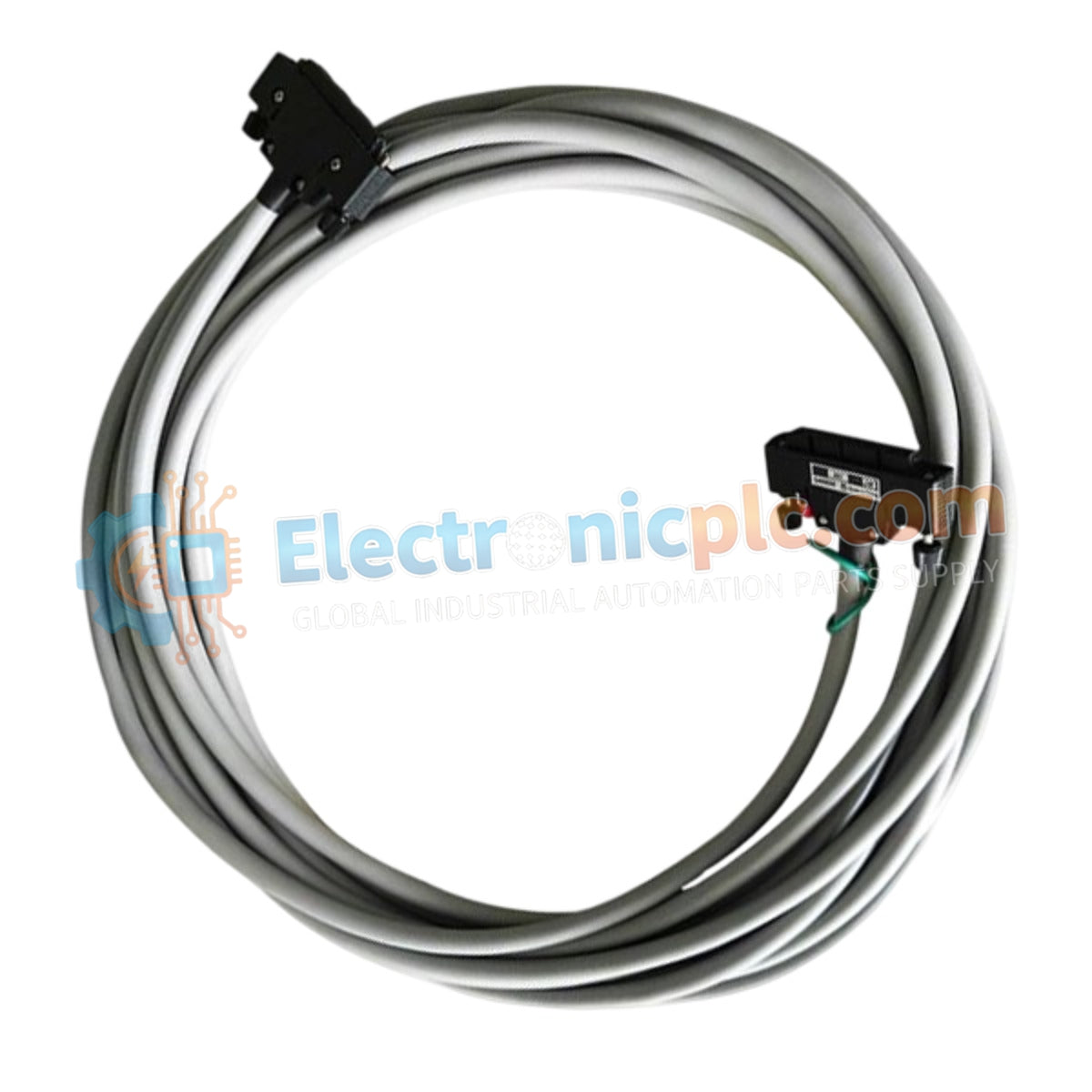
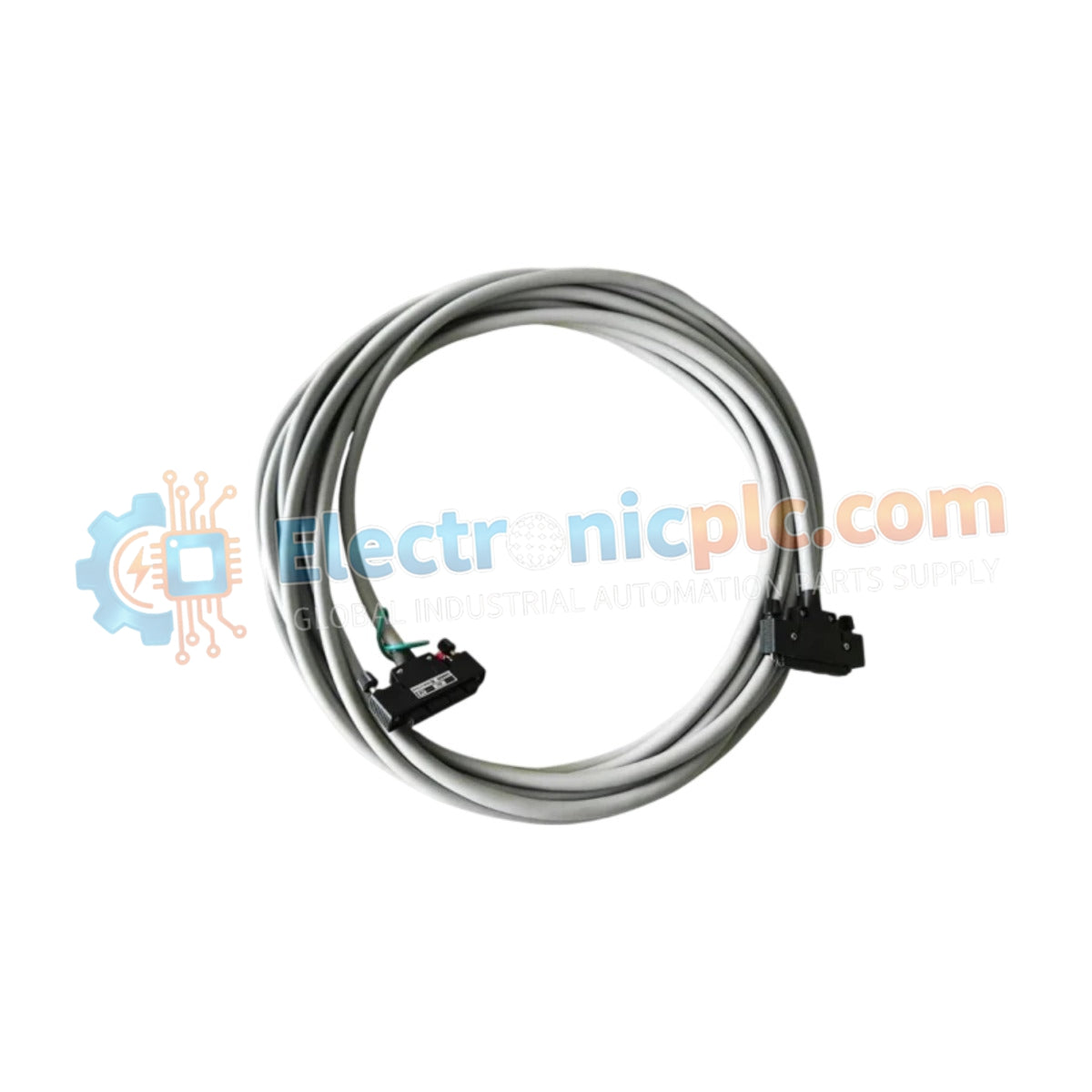
Configured for high-integrity data transmission in distributed control systems, the Yokogawa KS9-10*A (KS9 Signal Cable) provides direct physical/electrical execution of bus communication between system nodes and I/O subsystems.
| Parameter | Specification |
|---|---|
| Model | KS9-10*A |
| Brand | Yokogawa |
| Origin | Japan |
| Weight | 0.8kg |
| Dimensions | 10 meters (length) |
| Operating Temp | -20 deg C to 70 deg C |
| Cable Type | Coaxial (V net/ER) or Twisted Pair (ESB/RIO) |
| Connector Type | N-type, BNC, or Solderless M4 Lug |
| Minimum Bending Radius | 50 mm to 100 mm (bus dependent) |
The KS9-10*A is engineered to maintain signal fidelity across Yokogawa V net, ER, ESB, and RIO bus architectures. The shielding configuration is specific to the bus requirement; coaxial variants provide low-loss transmission for high-frequency V net and ER bus signals, while twisted-pair construction for ESB/RIO buses provides effective common-mode noise rejection. Each cable assembly ensures channel-to-channel isolation by maintaining strict impedance matching, which is critical for preventing packet loss and timing jitters in deterministic control networks.
Q: Can the KS9-10*A be field-terminated or shortened? A: No. The cable is factory-terminated to maintain exact impedance and shielding specifications. Altering the cable length or connector interface will cause signal reflections and communication faults on system buses.
Q: Are there specific installation requirements for the V net coaxial cables? A: Yes. The minimum bending radius of 100 mm must be strictly observed. Exceeding this radius can cause deformation of the dielectric layer, leading to impedance mismatch and subsequent link failures.


