Skip to product information
1 of 3

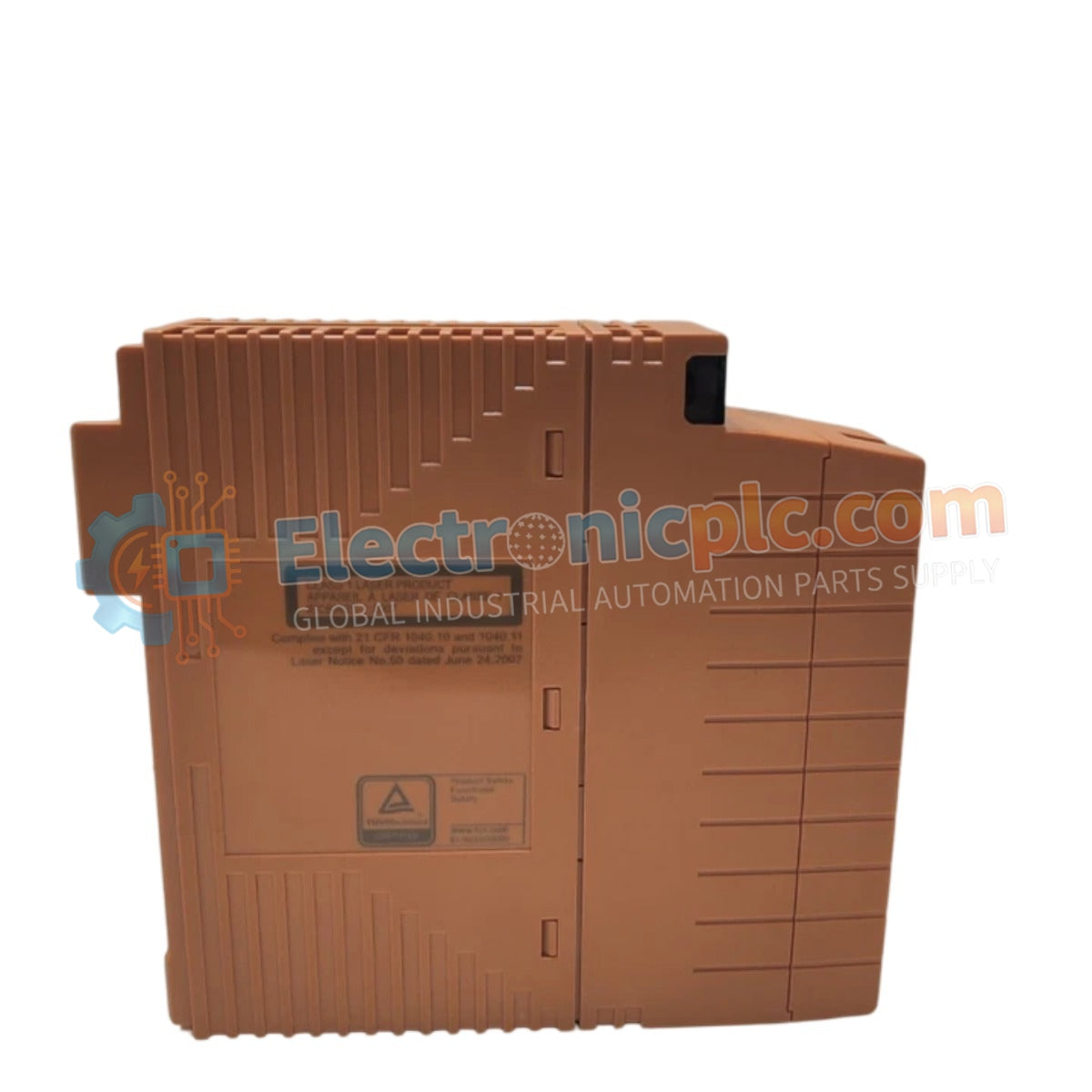
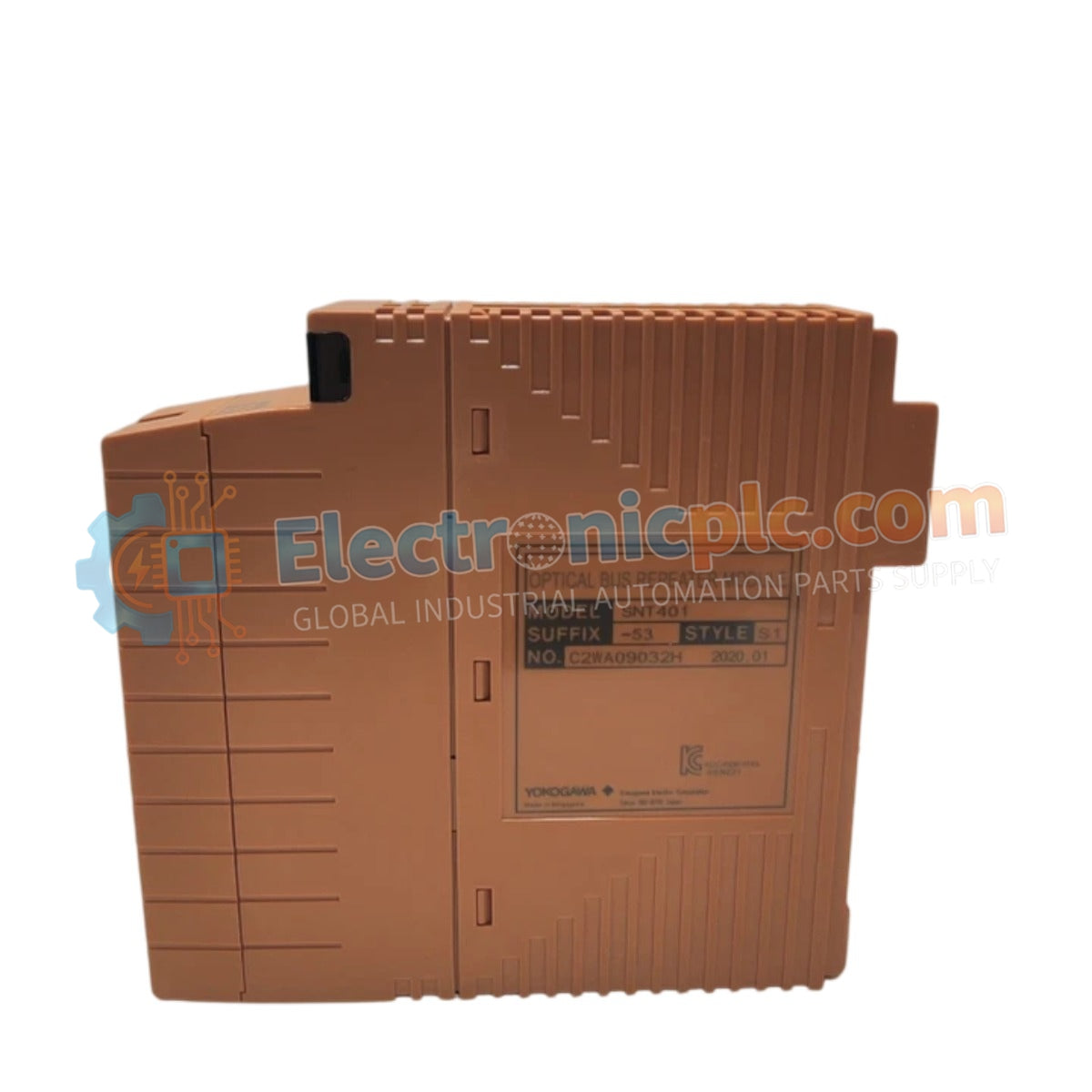
SNT401-53 S1 YOKOGAWA Optical ESB Bus Repeater | New & Original Stock

SNT401-53 S1 YOKOGAWA Optical ESB Bus Repeater | New & Original Stock

Configured for extended-distance signal transmission within Yokogawa control networks, the YOKOGAWA SNT401-53 S1 (SNT401-53 S1 Optical ESB Bus Repeater Module) provides optical signal conversion for the Extended Synchronous Bus (ESB)....

15 people are viewing this right now

AvailabilityLow stock: 99 left

SKU: SNT401-53 S1
Vendor: Yokogawa

Shipping & Returns

Reliable Worldwide Delivery

  • Carriers: Shipped via DHL, FedEx, UPS, or USPS.
  • Dispatch: Orders processed in 1-2 business days and dispatched within 3-5 business days.
  • Tracking: Full tracking details provided via email upon shipment.

30-Day Money-Back Guarantee

  • Guarantee: 30-day return window for in-stock, factory-sealed products.
  • Condition: Items must be unopened, unused, and in original packaging.
  • Authenticity: We guarantee 100% original and authentic hardware.

Need more details? Read our fullShipping PolicyandRefund Policy.

Authenticity & Warranty

  • Genuine Guarantee: We supply only 100% original, brand-new, and factory-sealed industrial automation parts.
  • Full Coverage: Every component is backed by a 12-month comprehensive warranty from the date of purchase.
  • Traceability: All products come with original factory documentation and accessories for full industrial compliance.

Technical Support & Sourcing

  • Expert Assistance: Our technical team provides free consultation to help you verify compatibility for DCS and PLC systems.
  • Rare Part Sourcing: Specializing in obsolete and hard-to-find components from Allen-Bradley, Siemens, ABB, HIMA, and more.
  • Bulk Inquiries: Contact us at pambo@5gplc.com for volume pricing or customized project quotes.
View full product details

Configured for extended-distance signal transmission within Yokogawa control networks, the YOKOGAWA SNT401-53 S1 (SNT401-53 S1 Optical ESB Bus Repeater Module) provides optical signal conversion for the Extended Synchronous Bus (ESB). This hardware component allows for the bridging of I/O nodes over longer physical distances than standard copper cabling permits, utilizing fiber-optic media to maintain high-speed, deterministic data exchange across distributed process areas.

Suffix Breakdown & Model Matrix

  • SNT401: Base model identifier for the Optical ESB Bus Repeater Module.
  • -53: Specifies the hardware configuration for the optical interface and bus compatibility.
  • S1: Denotes the revision or specific regional compliance/standard variant.

Hardware Specifications

Parameter Specification
Model SNT401-53 S1
Brand Yokogawa
Origin Japan
Weight 0.3 kg
Dimensions 2.2 cm x 12.4 cm x 12.6 cm
Operating Temp Standard industrial ambient range
Power Consumption Nominal DCS backplane power supply
Function Optical signal conversion for ESB bus

Process Control Communication Integrity

The SNT401-53 S1 converts electrical ESB signals into optical pulses, enabling reliable data transmission between the Field Control Unit (FCU) and remote I/O nodes. Optical transmission provides inherent immunity to electromagnetic interference (EMI) and radio frequency interference (RFI), making it the ideal solution for environments with high electrical noise, such as those near high-voltage switchgear or heavy motor drives.

Frequently Asked Questions

Q: Can this module be used to daisy-chain I/O nodes over long distances?

A: The SNT401 is designed to extend the reach of the ESB bus using fiber optics. When designing the topology, ensure the total fiber length and the number of repeaters do not exceed the timing and signal attenuation limits specified by the Yokogawa system planning manual.

Q: What type of fiber-optic connector is required?

A: Ensure the interface matches the specific SNT401-53 hardware specification. Standard industrial fiber interfaces are typically used; verify the fiber core diameter (e.g., multimode vs. single-mode) compatibility before cable procurement.

Field Installation Guidelines

  • Inspect the optical ports for dust or contaminants prior to connection; use lint-free optical wipes if cleaning is required.
  • Protect fiber-optic cables from sharp bends during installation to maintain the required minimum bend radius and prevent signal attenuation or fiber core breakage.
  • Ensure the module is seated fully against the backplane to establish a solid ground bond, which is vital for module stability.
  • Use care when connecting fiber cables to avoid eye exposure to the laser source.
  • Perform a link-status verification through the DCS engineering station to confirm that the optical signal power level is within the operational range after installation.