Skip to product information
1 of 3

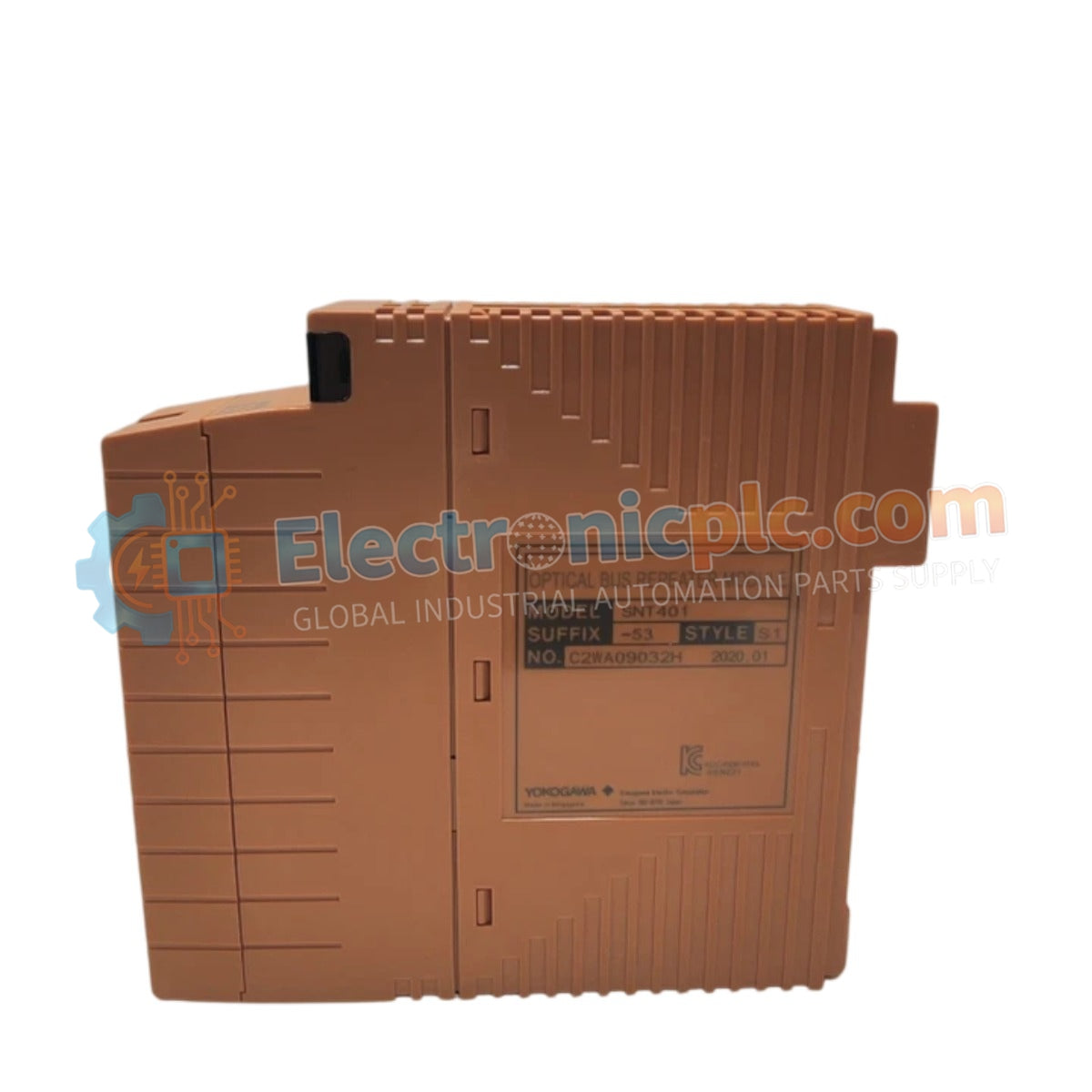
SNT501-53 YOKOGAWA Optical ESB Bus Repeater Slave | New & Original Stock

SNT501-53 YOKOGAWA Optical ESB Bus Repeater Slave | New & Original Stock

The YOKOGAWA SNT501-53 (SNT501-53) acts as a critical signal regeneration node for the Extended Synchronous Bus (ESB). By facilitating the conversion of bus signals to an optical format, this slave...

27 people are viewing this right now

AvailabilityLow stock: 99 left

SKU: SNT501-53 S1
Vendor: Yokogawa

Shipping & Returns

Reliable Worldwide Delivery

  • Carriers: Shipped via DHL, FedEx, UPS, or USPS.
  • Dispatch: Orders processed in 1-2 business days and dispatched within 3-5 business days.
  • Tracking: Full tracking details provided via email upon shipment.

30-Day Money-Back Guarantee

  • Guarantee: 30-day return window for in-stock, factory-sealed products.
  • Condition: Items must be unopened, unused, and in original packaging.
  • Authenticity: We guarantee 100% original and authentic hardware.

Need more details? Read our fullShipping PolicyandRefund Policy.

Authenticity & Warranty

  • Genuine Guarantee: We supply only 100% original, brand-new, and factory-sealed industrial automation parts.
  • Full Coverage: Every component is backed by a 12-month comprehensive warranty from the date of purchase.
  • Traceability: All products come with original factory documentation and accessories for full industrial compliance.

Technical Support & Sourcing

  • Expert Assistance: Our technical team provides free consultation to help you verify compatibility for DCS and PLC systems.
  • Rare Part Sourcing: Specializing in obsolete and hard-to-find components from Allen-Bradley, Siemens, ABB, HIMA, and more.
  • Bulk Inquiries: Contact us at pambo@5gplc.com for volume pricing or customized project quotes.
View full product details

The YOKOGAWA SNT501-53 (SNT501-53) acts as a critical signal regeneration node for the Extended Synchronous Bus (ESB). By facilitating the conversion of bus signals to an optical format, this slave module enables reliable, long-distance communication between remote I/O nodes and the central control system, ensuring data integrity even in environments subject to electromagnetic interference.

Suffix Breakdown & Model Matrix

  • SNT501: Base model identifier for the Optical ESB Bus Repeater Slave Module.
  • -5: Indicates standard version with no integrated explosion-proof protection.
  • 3: Designates the environmental rating, complying with ISA Standard G3 for resistance to corrosive environments.

Hardware Specifications

Parameter Specification
Model SNT501-53
Brand Yokogawa
Weight 0.33 kg
Interface ESB Bus (Optical)
Operating Temp -20°C to 70°C
Environmental ISA Standard G3 (Conformal Coating)
Purpose Maintenance / Signal Regeneration

Process Control Communication Integrity

The SNT501-53 functions as a slave node within the bus architecture, regenerating the optical signals to maintain timing synchronization across the network. Because it utilizes optical fiber as the transmission medium, the module effectively eliminates the risk of ground loops and electrical noise injection, which are common challenges in geographically dispersed industrial facilities.

Frequently Asked Questions

Q: Does "maintenance purposes only" indicate that the module is obsolete?

A: No, this designation typically refers to the module being used as a spare part or for replacement during scheduled maintenance of existing control architectures. It remains fully functional for extending or restoring communication links in supported systems.

Q: Is G3 conformal coating sufficient for marine environments?

A: ISA Standard G3 coating provides significant protection against harsh, corrosive, and salt-laden air common in chemical plants and coastal industrial zones, though supplemental cabinet-level climate control is always recommended.

Field Installation Guidelines

  • Ensure the optical fiber end-faces are pristine before connection; use a fiber inspection scope to check for contamination.
  • When mounting the module, ensure it is securely fastened within the cabinet rack to avoid vibration, which could affect the stability of the optical link.
  • Follow the specific fiber-optic polarity (Transmit/Receive) as defined by the bus architecture to ensure proper handshaking between the master and slave repeaters.
  • After installation, perform a diagnostic scan using the DCS maintenance station to verify the link quality and signal strength of the optical bus.
  • Keep the module in its anti-static packaging until the moment of installation to protect the internal circuitry from electrostatic discharge (ESD).