
My Cart
0 items
Genuine Automation Parts | Worldwide Express Delivery | 12-Month Warranty — [GET A QUOTE]

The Yokogawa SSC10S-S2121 (SSC10S) is a specialized Safety Control Unit engineered to manage high-integrity logic execution within industrial safety-instrumented systems (SIS). Designed for rigorous process control, it provides deterministic performance...
Availability: Low stock: 99 left
Reliable Worldwide Delivery
30-Day Money-Back Guarantee
Need more details? Read our fullShipping PolicyandRefund Policy.
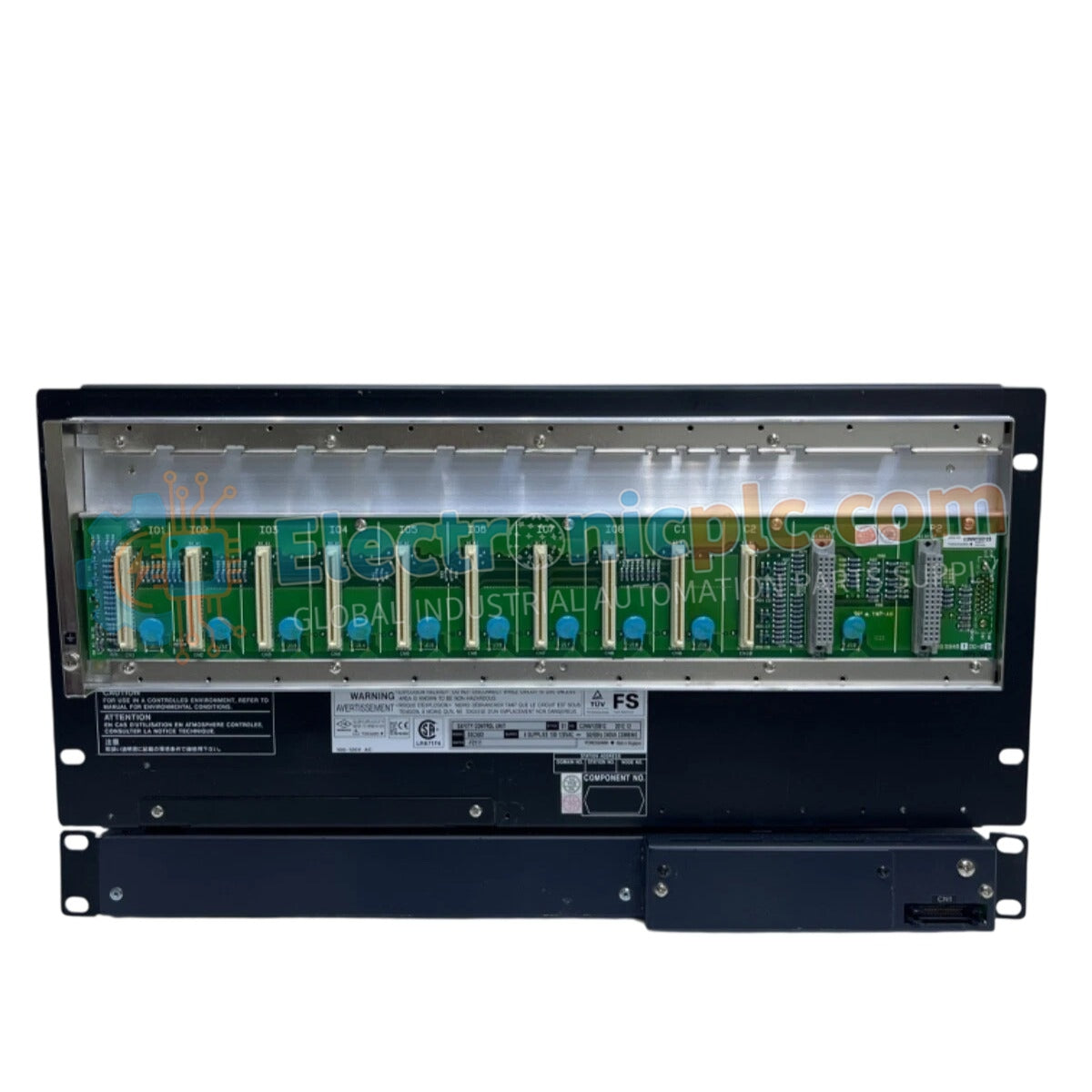

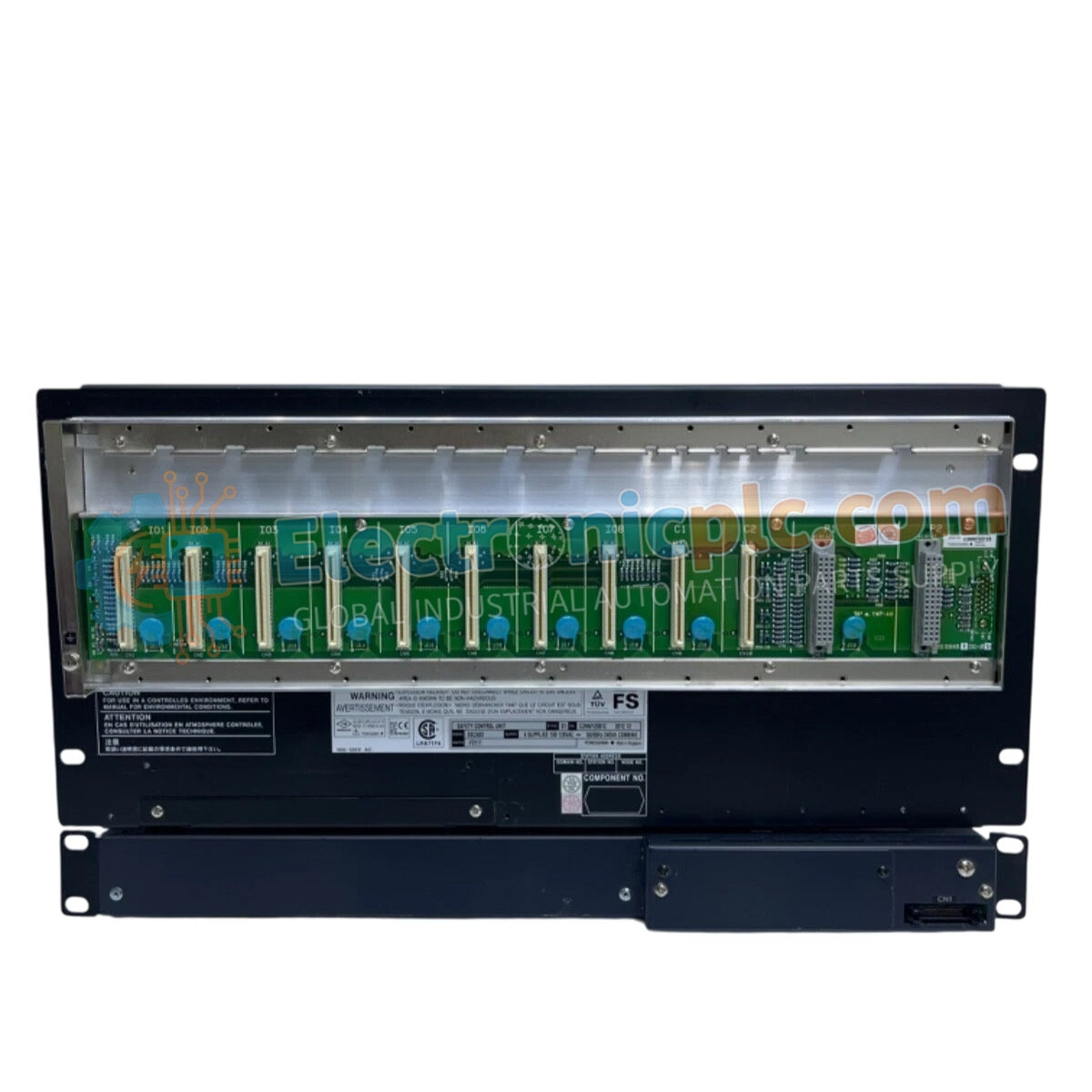
The Yokogawa SSC10S-S2121 (SSC10S) is a specialized Safety Control Unit engineered to manage high-integrity logic execution within industrial safety-instrumented systems (SIS). Designed for rigorous process control, it provides deterministic performance to ensure safe shutdown and monitoring in complex industrial environments.
| Parameter | Specification |
|---|---|
| Model | SSC10S-S2121 |
| Brand | Yokogawa |
| Origin | United States |
| Weight | 0.3 kg |
| Dimensions | 3.2 cm x 13.3 cm x 15.2 cm |
| Function | Safety Control Unit |
| Operating Temp | Industrial grade |
The SSC10S series is built to meet the demands of safety-critical automation. It functions as the central processing core for executing safety logic, interpreting inputs from safety-rated sensors, and commanding outputs to final control elements. By employing redundant processing and diagnostic features, the unit ensures that any internal fault is detected immediately, allowing the system to transition to a safe state without human intervention.
Q: Is the SSC10S-S2121 intended for stand-alone use or integrated control?
A: It is typically integrated into a larger ProSafe-RS or safety-instrumented architecture, though its processing power allows it to handle localized safety logic independently for small-to-medium-scale process segments.
Q: What is the primary advantage of the SSC10S over standard industrial controllers?
A: Unlike standard controllers, the SSC10S is specifically certified for safety-instrumented functions, meaning it undergoes exhaustive testing for hardware-level reliability, failure mode coverage, and diagnostic execution times, all of which are essential for achieving higher Safety Integrity Levels (SIL).


