
My Cart
0 items
Genuine Automation Parts | Worldwide Express Delivery | 12-Month Warranty — [GET A QUOTE]

The 3500/65 (Assembly Number 145988-02) is a high-density temperature monitoring solution designed for the Bently Nevada 3500 Machinery Protection System. This 16-channel module is engineered to provide continuous...
Availability: Low stock: 10 left
Reliable Worldwide Delivery
30-Day Money-Back Guarantee
Need more details? Read our fullShipping PolicyandRefund Policy.
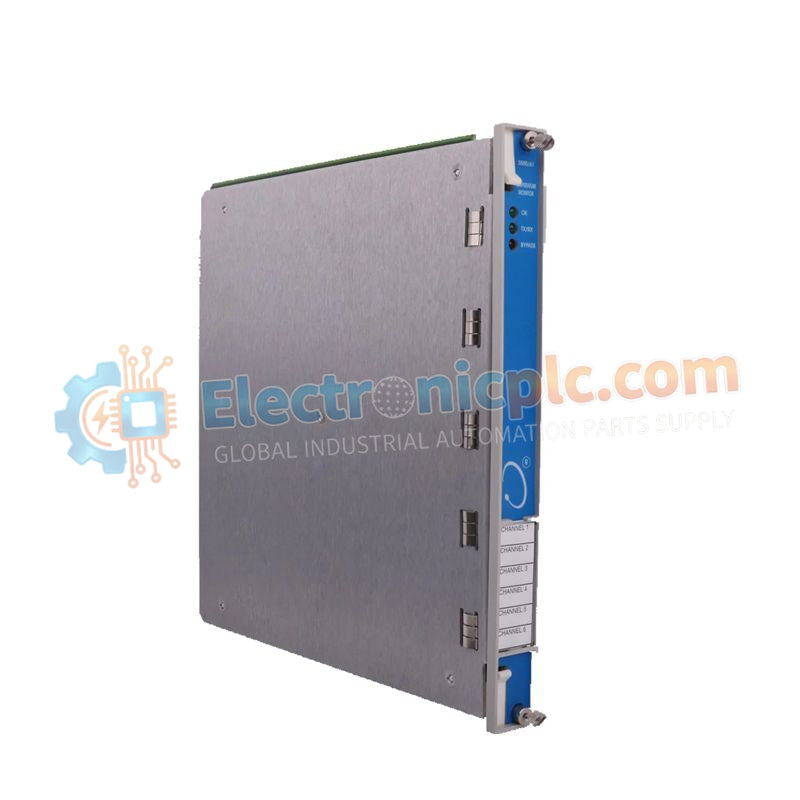
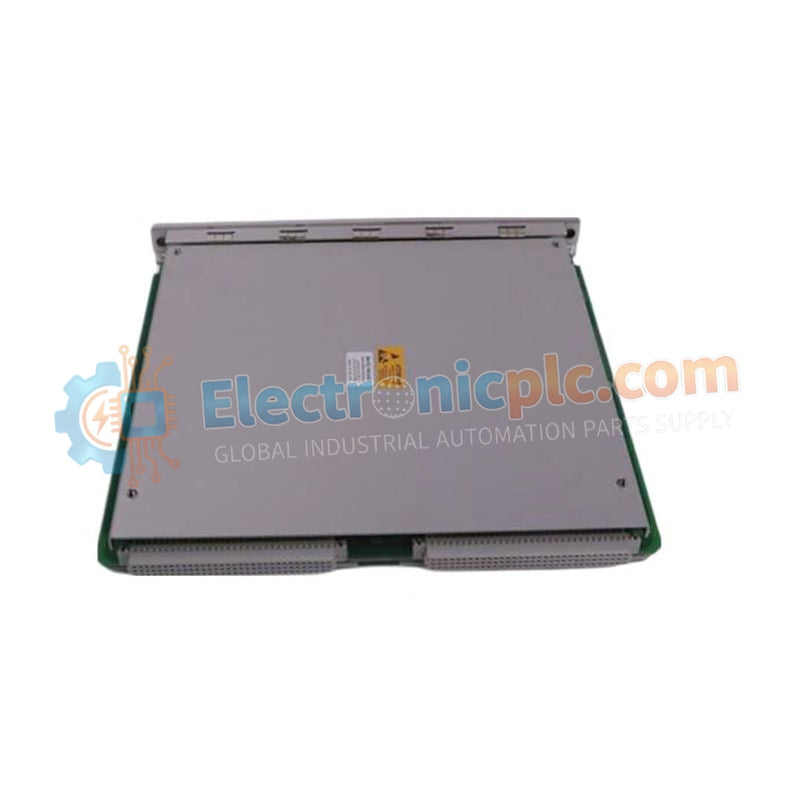
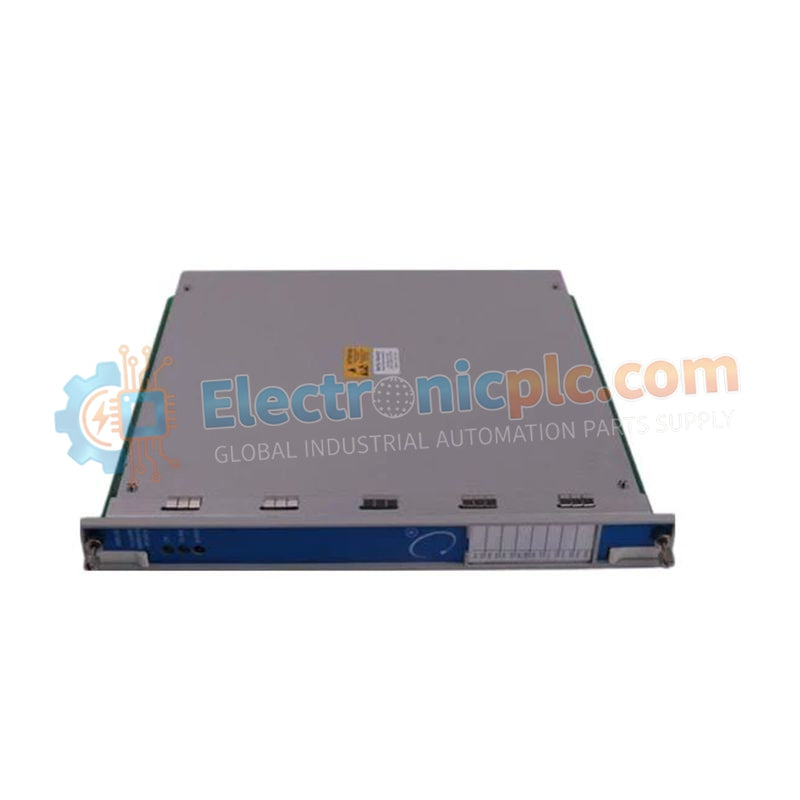
The 3500/65 (Assembly Number 145988-02) is a high-density temperature monitoring solution designed for the Bently Nevada 3500 Machinery Protection System. This 16-channel module is engineered to provide continuous thermal surveillance of critical rotating machinery components, such as radial and thrust bearings, stator windings, and motor housings. It accepts inputs from both Resistance Temperature Detectors (RTDs) and Thermocouples (TCs), converting these signals into digital temperature data that the system uses to trigger protective alarms and machinery trips.
| Specification | Details |
|---|---|
| Channel Capacity | 16 independent temperature sensing channels |
| Measurement Types | Supports Pt100/Ni100/Ni120 RTDs and Type J/K/E/T/S Thermocouples |
| Signal Processing | High-speed 24-bit A/D conversion for precise thermal tracking |
| Accuracy | ±1.5°C at room temperature (typical) |
| Alarm Logic | Independent Alert and Danger setpoints for all 16 channels |
| System Interface | Communicates via the 3500 rack backplane with the 3500/22M Rack Interface |
| Physical Dimensions | 2.6 cm x 25.3 cm x 24.0 cm |
| Net Weight | 0.75 kg |
| Operating Temperature | -30°C to +65°C (-22°F to +150°F) |
The 145988-02 module is a cornerstone of proactive machinery maintenance. By monitoring the rate of temperature change and absolute thermal limits, it identifies lubrication failures, cooling system blockages, or electrical imbalances before they result in catastrophic equipment damage. The module features integrated self-diagnostics to detect sensor failures (NOT OK status), ensuring that false trips are minimized while maintaining maximum protection levels.
Q: How does the 145988-02 module handle thermocouple cold-junction compensation?
A: Cold-junction compensation is managed at the I/O module level (located at the rear of the rack). The 3500/65 monitor processes these compensated signals to ensure accurate temperature reporting across varying ambient conditions in the control room.


