
My Cart
0 items
Genuine Automation Parts | Worldwide Express Delivery | 12-Month Warranty — [GET A QUOTE]

The Yokogawa VF311, also cataloged as the VF311 V-NET Station module, operates as a dedicated hardware component for V-NET communication integration within CENTUM VP distributed control systems. This module establishes...
Availability: Low stock: 99 left
Reliable Worldwide Delivery
30-Day Money-Back Guarantee
Need more details? Read our fullShipping PolicyandRefund Policy.


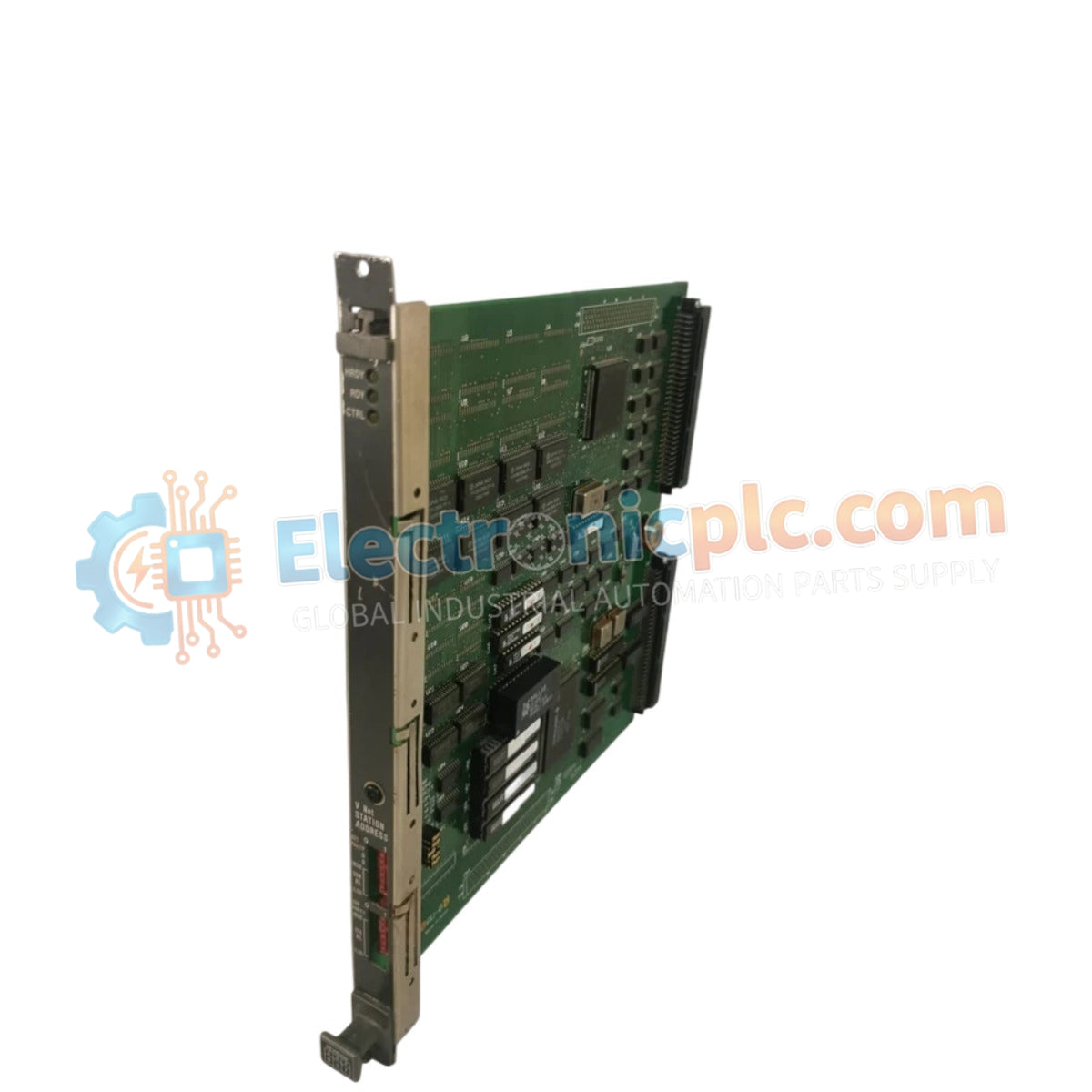
The Yokogawa VF311, also cataloged as the VF311 V-NET Station module, operates as a dedicated hardware component for V-NET communication integration within CENTUM VP distributed control systems. This module establishes physical and logical connectivity between CENTUM VP-F field control stations and remote I/O stations, utilizing a token ring synchronization method to maintain deterministic data flow across the control network.
| Parameter | Specification |
|---|---|
| Model | VF311 |
| Brand | Yokogawa |
| Origin | Japan |
| Weight | 1.5 kg |
| Dimensions | Standard V-NET Rack Form Factor |
| Operating Temp | Consult System Environmental Specifications |
| Power Consumption | 20 W |
| Interface | V-NET |
| Transmission Speed | 1/2.5/5/10 Mbps |
| Cable Media | Optical fiber cable (ST connector) |
| Wiring Connection | D-sub 9-pin (female x 4) |
The VF311 module utilizes dedicated channel-to-channel isolation architecture to prevent electrical noise propagation between the V-NET backplane and external communication loops. Data integrity is maintained via Manchester code encoding, which ensures reliable signal transition across optical fiber media. The implementation of cold junction compensation principles and robust shielding design minimizes the impact of electromagnetic interference (EMI) typical in high-density DCS environments. The hardware supports redundant V-NET bus configurations, enabling seamless automatic failover without interrupting the control station process scan cycle.
Q: Does the VF311 support hot-swap replacement during active system operation?
A: The VF311 is designed for rack-mounted integration within the V-NET station; however, hot-swap capability is dependent on the specific backplane power distribution configuration and the redundant status of the V-NET bus at the time of extraction.
Q: What are the primary diagnostic indicators provided by the loopback function?
A: The loopback function facilitates verification of the V-NET physical layer and transceiver health by echoing signals back to the source, allowing for the detection of signal attenuation or cable integrity failures before full network initialization.


