
My Cart
0 items
Genuine Automation Parts | Worldwide Express Delivery | 12-Month Warranty — [GET A QUOTE]

Configured for high-performance communication within CENTUM VP and ProSafe-RS control system architectures, the YOKOGAWA VF701 S2 (VF701 Vnet/IP Interface Card) provides direct physical execution of Ethernet-based control network integration.
Availability: In stock
Reliable Worldwide Delivery
30-Day Money-Back Guarantee
Need more details? Read our fullShipping PolicyandRefund Policy.


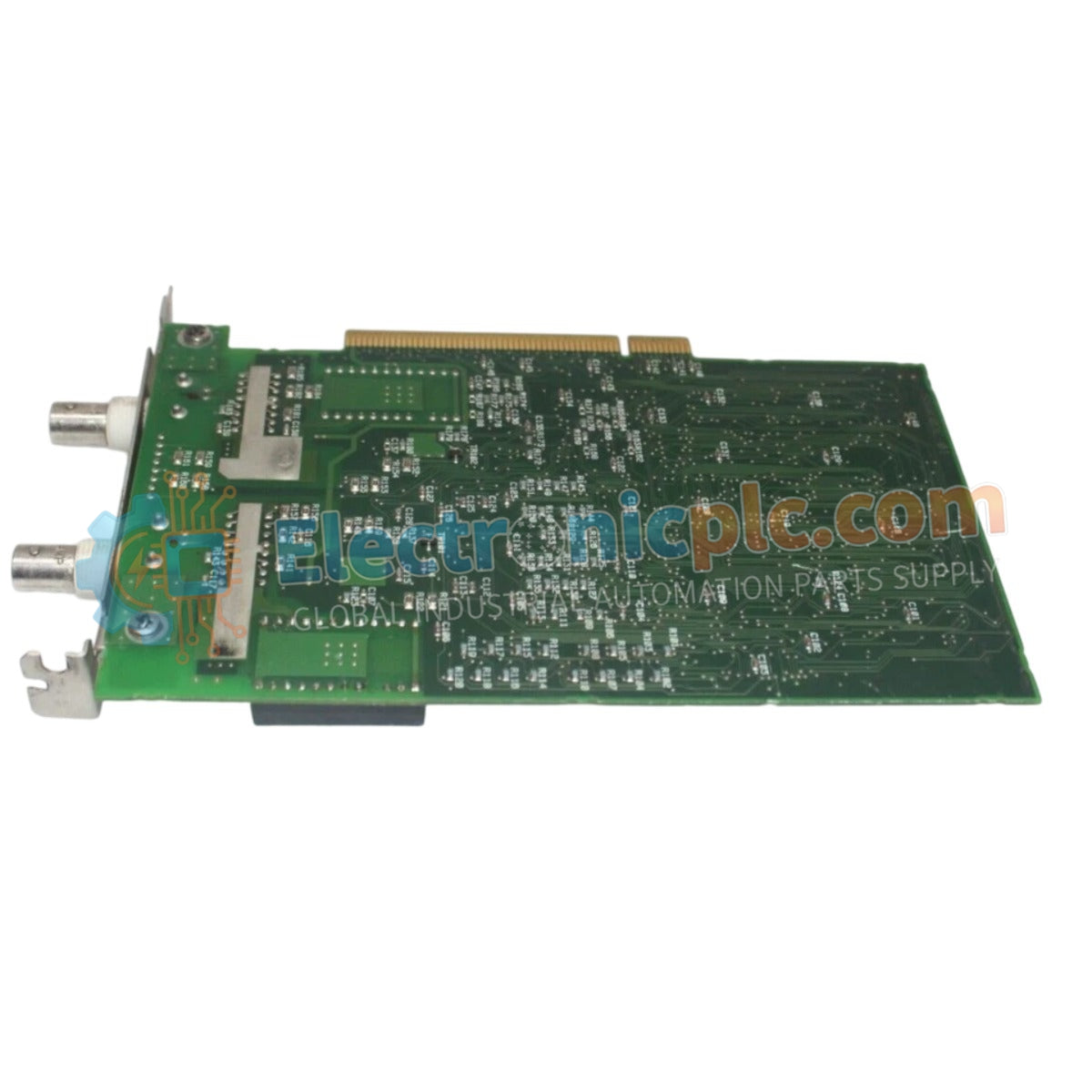
Configured for high-performance communication within CENTUM VP and ProSafe-RS control system architectures, the YOKOGAWA VF701 S2 (VF701 Vnet/IP Interface Card) provides direct physical execution of Ethernet-based control network integration.
The VF701 S2 utilizes a specific suffix configuration to define hardware revision and compatibility. The S2 suffix represents the second hardware iteration, which ensures enhanced processing throughput and full compliance with the Vnet/IP protocol specifications required for deterministic communication in distributed control systems.
| Parameter | Specification |
|---|---|
| Model | VF701 S2 |
| Brand | YOKOGAWA |
| Origin | Japan |
| Weight | 0.3 kg |
| Dimensions | 2.2 cm x 12.4 cm x 12.6 cm |
| Operating Temp | 0 deg C to 60 deg C |
| Power Consumption | 5 VDC (backplane powered) |
| Module Type | Vnet/IP Interface Card |
| Interface | 1000BASE-T / 100BASE-TX Ethernet |
The VF701 S2 acts as the network gateway for Yokogawa control stations, translating internal bus communication into the Vnet/IP Ethernet-based protocol. In modern DCS environments, deterministic communication is required to maintain precise timing for control loops and safety functions across the network. The VF701 S2 utilizes dual-redundant ports to ensure continuous data flow, even in the event of a single link or switch failure, by managing packet prioritization to suppress network congestion.
Q: Does the VF701 S2 require a specific switch configuration?
A: Yes. Vnet/IP networks require managed switches that support specific IEEE protocols to guarantee the timing and prioritization of control traffic. Refer to the Yokogawa network design guide for the necessary VLAN and QoS settings.
Q: Is the VF701 S2 backward compatible with older Vnet (coaxial) networks?
A: No. The VF701 S2 is designed exclusively for Vnet/IP (Ethernet-based) networks. Migration from legacy Vnet to Vnet/IP requires a structured system upgrade and compatibility verification.


