
My Cart
0 items
Genuine Automation Parts | Worldwide Express Delivery | 12-Month Warranty — [GET A QUOTE]

The Yokogawa VF702, also cataloged as the VF702 Control Bus Interface Card, operates as a dedicated hardware component for high-speed network communication within the Centum CS/VP system architecture. This module...
Availability: Low stock: 99 left
Reliable Worldwide Delivery
30-Day Money-Back Guarantee
Need more details? Read our fullShipping PolicyandRefund Policy.


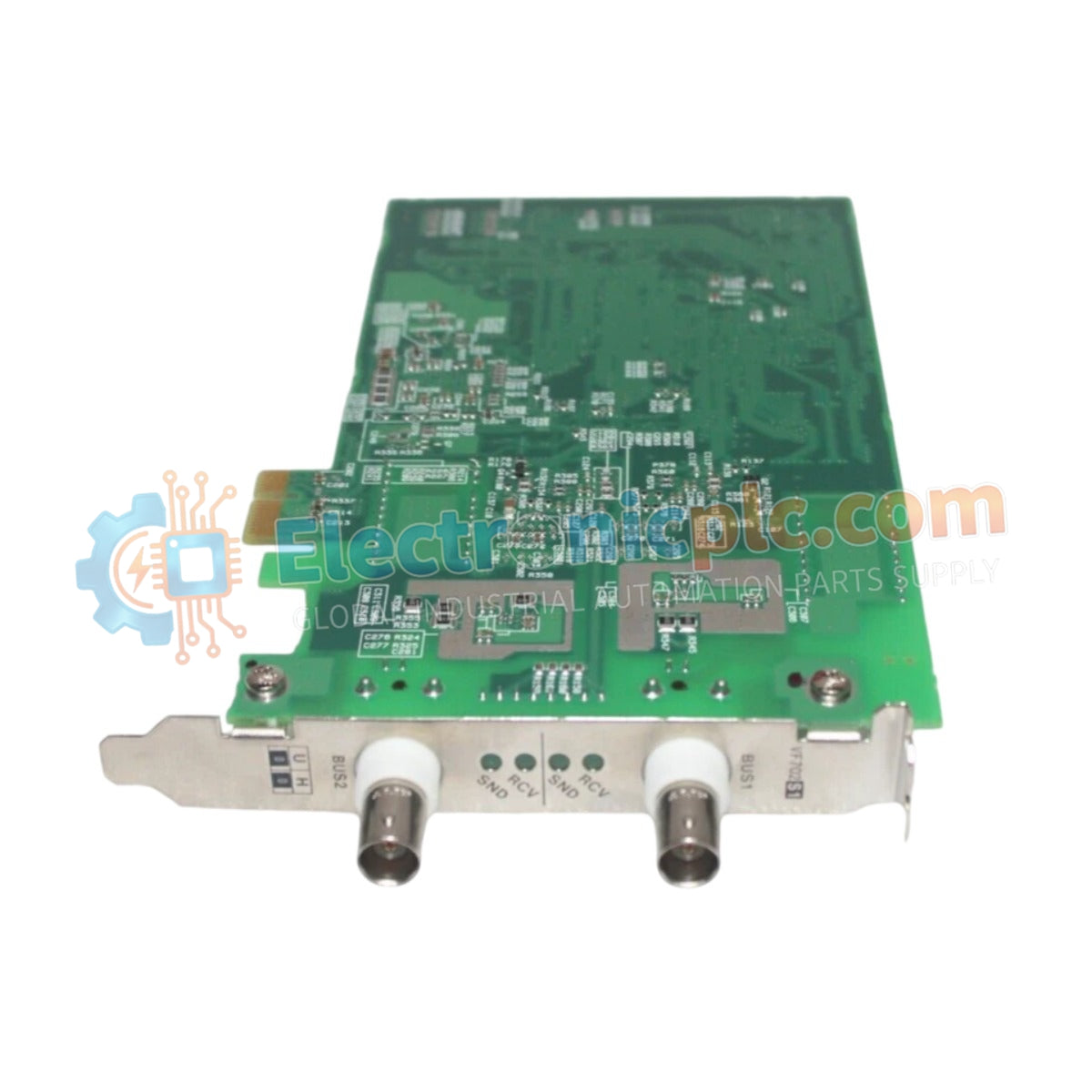
The Yokogawa VF702, also cataloged as the VF702 Control Bus Interface Card, operates as a dedicated hardware component for high-speed network communication within the Centum CS/VP system architecture. This module provides direct physical and electrical execution of Vnet/IP data traffic processing, facilitating the deterministic exchange of control information between field control stations and centralized operator stations.
| Parameter | Specification |
|---|---|
| Model | VF702 |
| Brand | Yokogawa |
| Origin | Japan |
| Weight | 0.8 kg |
| Dimensions | 2.2 cm x 12.4 cm x 12.6 cm |
| Operating Temp | 0 to 50 deg C |
| Power Consumption | 15 W (Typical) |
| Communication Interface | Vnet/IP |
| Backplane Connection | Centum CS/VP Bus |
The VF702 card is engineered to handle complex process data streams through high-bandwidth network protocols integrated within the control architecture. Its internal circuitry ensures signal integrity by utilizing channel-to-channel isolation, which prevents ground loops and minimizes common-mode interference in industrial environments. The module manages the encapsulation and routing of field signals into normalized network packets, supporting real-time data synchronization across the controller network. Cold junction compensation (CJC) is managed via integrated algorithms for connected temperature input modules, maintaining precision in distributed measurement chains across the bus.
Q: Does the VF702 support hot-swapping under normal operational conditions?
A: No, the VF702 card does not support hot-swapping. The host station must be powered down or placed in a defined maintenance mode before removal or installation to prevent backplane bus communication errors or electrical damage to the communication interface.
Q: What is the primary communication role of this card in a Vnet/IP environment?
A: The VF702 acts as the primary interface bridge, translating local controller bus data into Vnet/IP frames to enable deterministic communication between controller nodes and human-machine interface stations.


