Skip to product information
1 of 3

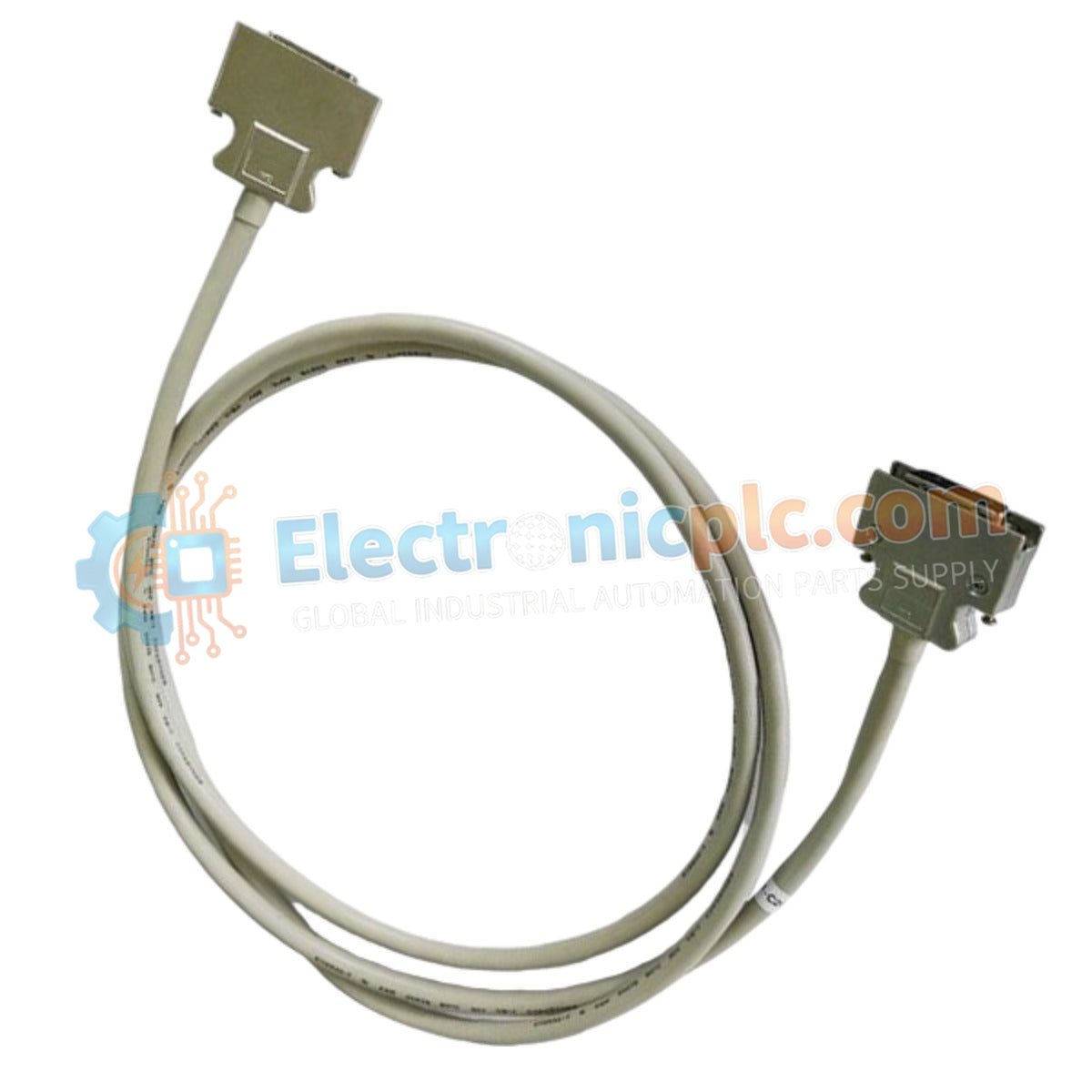
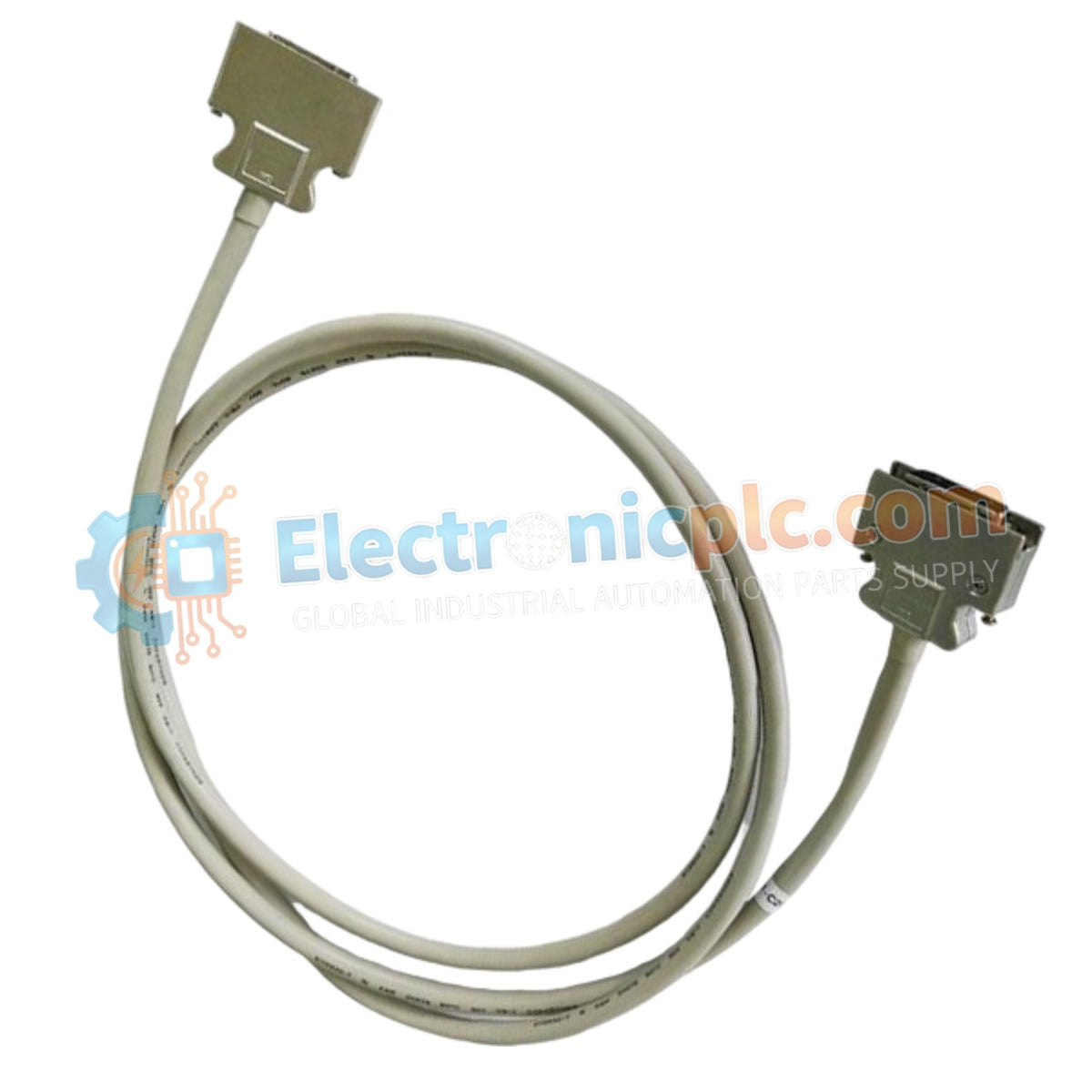
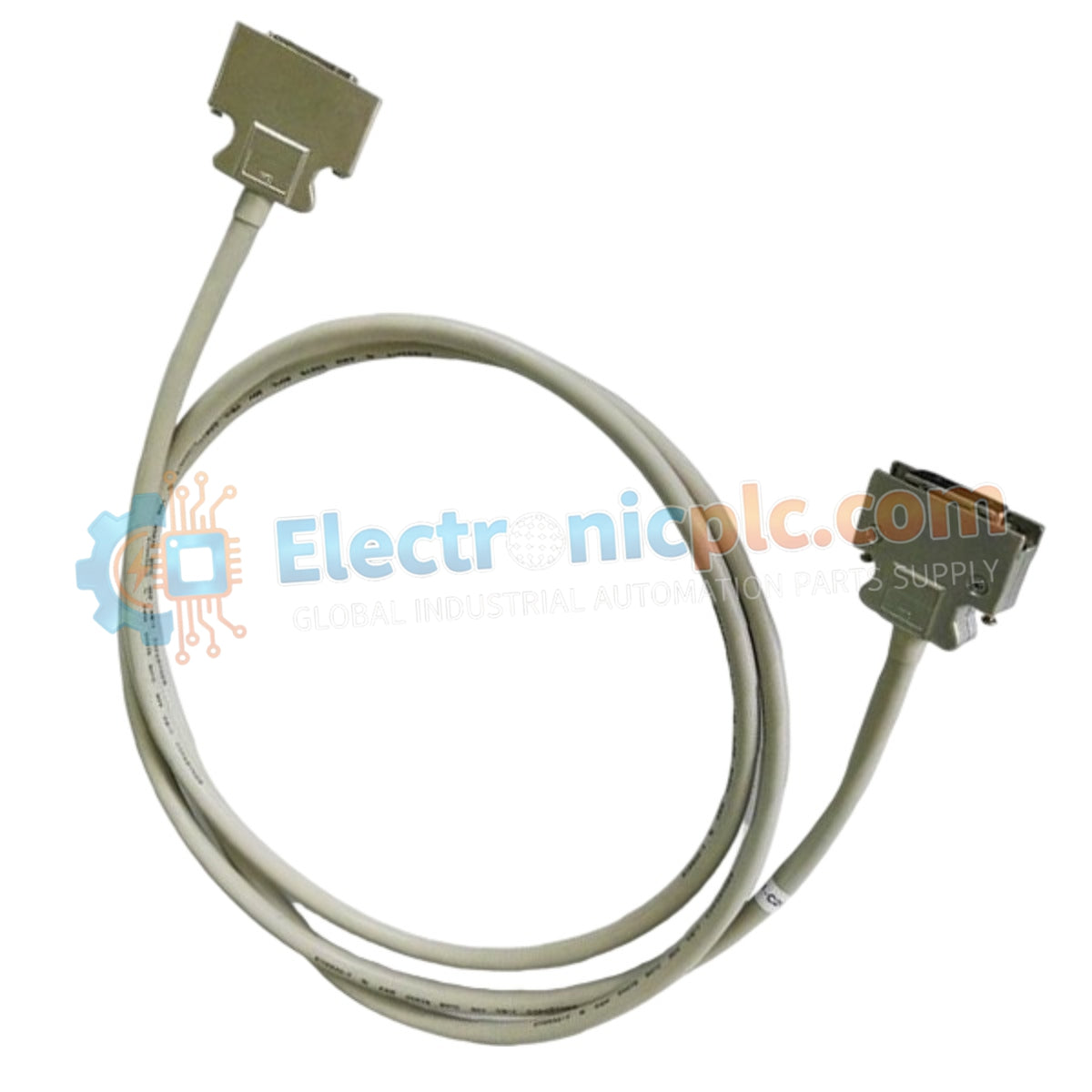
YCB 301-C300 YOKOGAWA ESB Bus Cable | New & Original Stock

YCB 301-C300 YOKOGAWA ESB Bus Cable | New & Original Stock

Configured for high-speed deterministic data exchange within Yokogawa control networks, the YOKOGAWA YCB301-C300 (YCB301 ESB Bus Cable) provides direct physical signal transmission between Field Control Units (FCUs) and Advanced Network...

18 people are viewing this right now

AvailabilityLow stock: 99 left

SKU: YCB 301-C300
Vendor: Yokogawa
Category: ESB Bus Cable
Related Series:

Shipping & Returns

Reliable Worldwide Delivery

  • Carriers: Shipped via DHL, FedEx, UPS, or USPS.
  • Dispatch: Orders processed in 1-2 business days and dispatched within 3-5 business days.
  • Tracking: Full tracking details provided via email upon shipment.

30-Day Money-Back Guarantee

  • Guarantee: 30-day return window for in-stock, factory-sealed products.
  • Condition: Items must be unopened, unused, and in original packaging.
  • Authenticity: We guarantee 100% original and authentic hardware.

Need more details? Read our fullShipping PolicyandRefund Policy.
Authenticity & Warranty

  • Genuine Guarantee: We supply only 100% original, brand-new, and factory-sealed industrial automation parts.
  • Full Coverage: Every component is backed by a 12-month comprehensive warranty from the date of purchase.
  • Traceability: All products come with original factory documentation and accessories for full industrial compliance.

Technical Support & Sourcing

  • Expert Assistance: Our technical team provides free consultation to help you verify compatibility for DCS and PLC systems.
  • Rare Part Sourcing: Specializing in obsolete and hard-to-find components from Allen-Bradley, Siemens, ABB, HIMA, and more.
  • Bulk Inquiries: Contact us at pambo@5gplc.com for volume pricing or customized project quotes.
View full product details

Configured for high-speed deterministic data exchange within Yokogawa control networks, the YOKOGAWA YCB301-C300 (YCB301 ESB Bus Cable) provides direct physical signal transmission between Field Control Units (FCUs) and Advanced Network Bus (ANB) node units. This hardware component serves as the primary data path utilized to execute I/O synchronization across CENTUM VP platforms.

Suffix Breakdown & Model Matrix

  • YCB301: Base model identifier for the 36-36 pin ESB Bus Cable assembly.
  • -C300: Designates the specific cable length configuration, where C200 equals 2 meters.

Hardware Specifications

Parameter Specification
Model YCB301-C300
Brand Yokogawa
Origin Subject to manufacturing batch
Weight 2 kg
Dimensions 2 meters length
Operating Temp Standard industrial ambient range
Power Consumption Not applicable (Passive transmission media)
Connector Type 36-pin to 36-pin interface

Process Control Instrumentation Connectivity

The YCB301-C300 maintains the integrity of the Extended Synchronous Bus (ESB) communication protocol. In standard CENTUM VP architectures, this cable facilitates the communication velocity required for real-time control loops, ensuring minimal latency during data polling between the controller and remote I/O nodes. The physical shielding of the 36-pin connector architecture is optimized to minimize crosstalk and external electromagnetic interference within cabinet environments.

Frequently Asked Questions

Q: Can the YCB301-C300 be used in redundant ESB configurations?

A: Yes, the cable is designed to support the physical layer requirements of redundant bus architectures, provided it is installed in accordance with the system topology guidelines for the specific FCU and node unit pair.

Q: Are there specific installation constraints regarding the cable bend radius?

A: To prevent mechanical stress on the 36-pin connectors and internal signal conductors, avoid bending the cable at angles tighter than the manufacturer's specified minimum bend radius during routing through cable trays.

Field Installation Guidelines

  • Inspect both 36-pin connector headers for bent or oxidized pins prior to mating with the host interface ports.
  • Align the connectors carefully to prevent lateral stress, ensuring the locking mechanisms are fully engaged to secure the connection against vibration.
  • Route the cable away from high-voltage power lines and variable frequency drive (VFD) output cabling to maintain the signal-to-noise ratio required for ESB communication.
  • Secure the cable along the cabinet frame using industrial-grade cable ties, leaving enough slack to prevent tension at the connector termination points.
  • Verify bus communication status via the DCS engineering station diagnostic tools immediately following installation to confirm valid data exchange.