
My Cart
0 items
Genuine Automation Parts | Worldwide Express Delivery | 12-Month Warranty — [GET A QUOTE]

Configured for signal interfacing in distributed control networks, the YOKOGAWA YCB147-2 (YCB147 Control Bus Cable Conversion Adapter) provides direct physical/electrical execution for bus signal translation within CENTUM VP and CENTUM CS 3000 systems....
Availability: In stock
Reliable Worldwide Delivery
30-Day Money-Back Guarantee
Need more details? Read our fullShipping PolicyandRefund Policy.


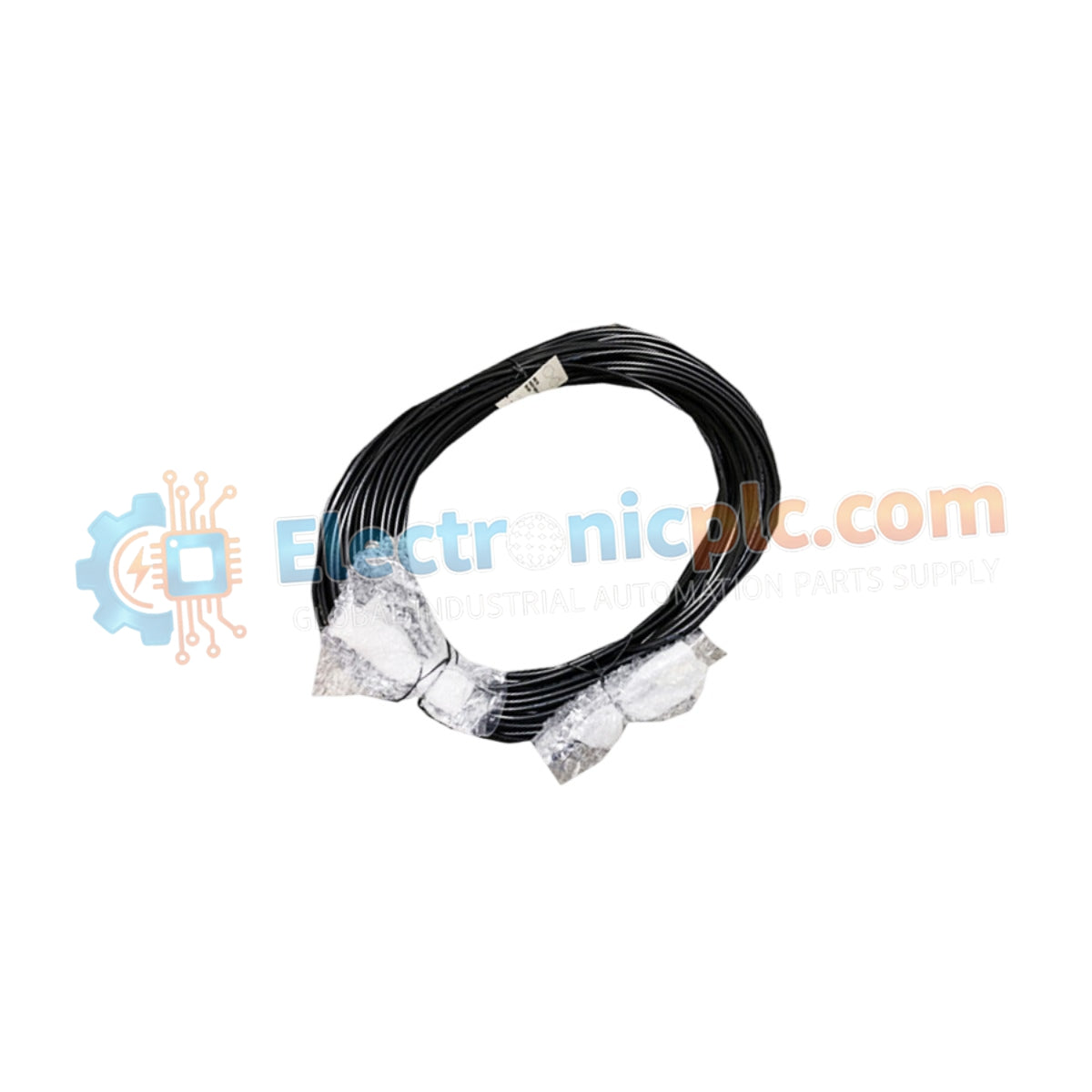
Configured for signal interfacing in distributed control networks, the YOKOGAWA YCB147-2 (YCB147 Control Bus Cable Conversion Adapter) provides direct physical/electrical execution for bus signal translation within CENTUM VP and CENTUM CS 3000 systems. This adapter facilitates interoperability between diverse control bus architectures, ensuring stable data transmission across V net, ESB bus, and ER bus infrastructures.
| Parameter | Specification |
| Model | YCB147-2 |
| Brand | YOKOGAWA |
| Origin | Japan |
| Weight | 0.25 kg |
| Dimensions | Standard Rack-mount Enclosure |
| Operating Temp | Industrial Standard |
| Power Consumption | Passive Adapter |
| Supported Buses | V net, ER bus, ESB bus |
| Connection Type | Coaxial (10BASE-2/5) |
| Mounting | Rack or Panel |
The YCB147-2 functions as a critical interface for maintaining deterministic communication in fault-tolerant automation environments. By bridging disparate bus standards, the adapter ensures that signal propagation delays remain within specified limits, preventing frame collisions or data degradation. The unit provides proper line termination essential for minimizing signal reflections on coaxial control bus segments, thereby maintaining the high-speed synchronization required for distributed control operations.
Q: Does the YCB147-2 require external power for signal conversion?
A: No, the YCB147-2 is a passive hardware adapter. It relies on the electrical characteristics of the connected bus segments to bridge signals between the different control bus types.
Q: Is this adapter compatible with standard Ethernet (IEEE 802.3) cabling?
A: While it utilizes coaxial interfaces consistent with 10BASE-2/5 specifications, it is specifically engineered for Yokogawa control bus topologies. Use only approved cabling to ensure electromagnetic compatibility and network reliability.
Verify that the control bus cables are properly shielded and grounded at the source to minimize electromagnetic interference (EMI) before connecting them to the adapter.
Secure the YCB147-2 to the rack or panel mount using appropriate hardware. Ensure the chassis of the adapter is bonded to the cabinet ground to maintain signal shielding effectiveness.
Inspect coaxial connectors for proper seating and ensure the center conductor is not bent during insertion.
If the adapter is used to terminate a bus segment, ensure the appropriate termination resistor is installed according to the specific bus standard (V net, ESB, or ER).
After connection, confirm bus communication status via the system diagnostic software to ensure the adapter has correctly bridged the network segment.


