
My Cart
0 items
Genuine Automation Parts | Worldwide Express Delivery | 12-Month Warranty — [GET A QUOTE]

The Yokogawa YCB301-C20, also cataloged as the YCB301-C20 ESB Bus Cable, operates as a dedicated hardware component for high-speed data transmission and synchronization between controllers and I/O nodes within CENTUM...
Availability: Low stock: 99 left
Reliable Worldwide Delivery
30-Day Money-Back Guarantee
Need more details? Read our fullShipping PolicyandRefund Policy.
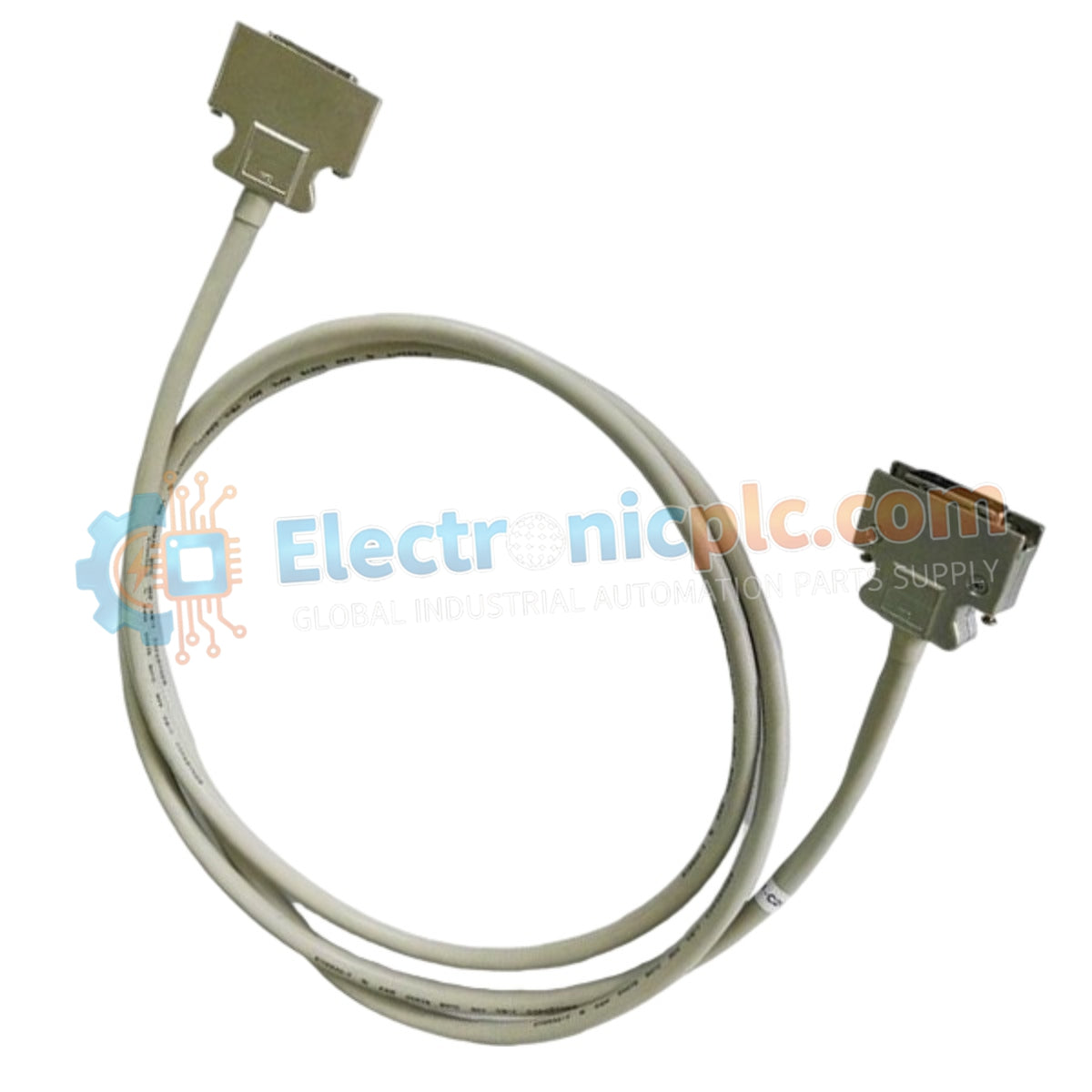
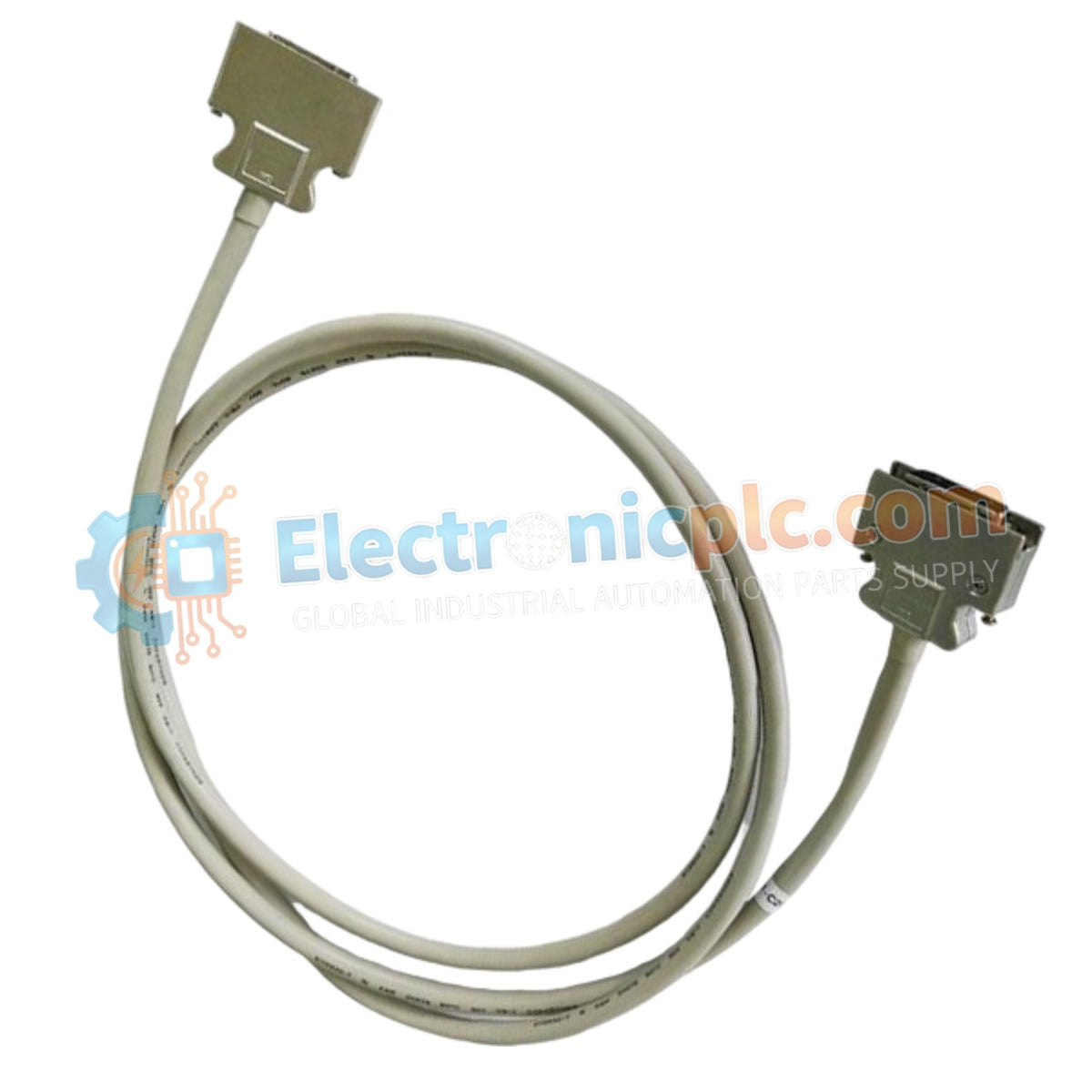
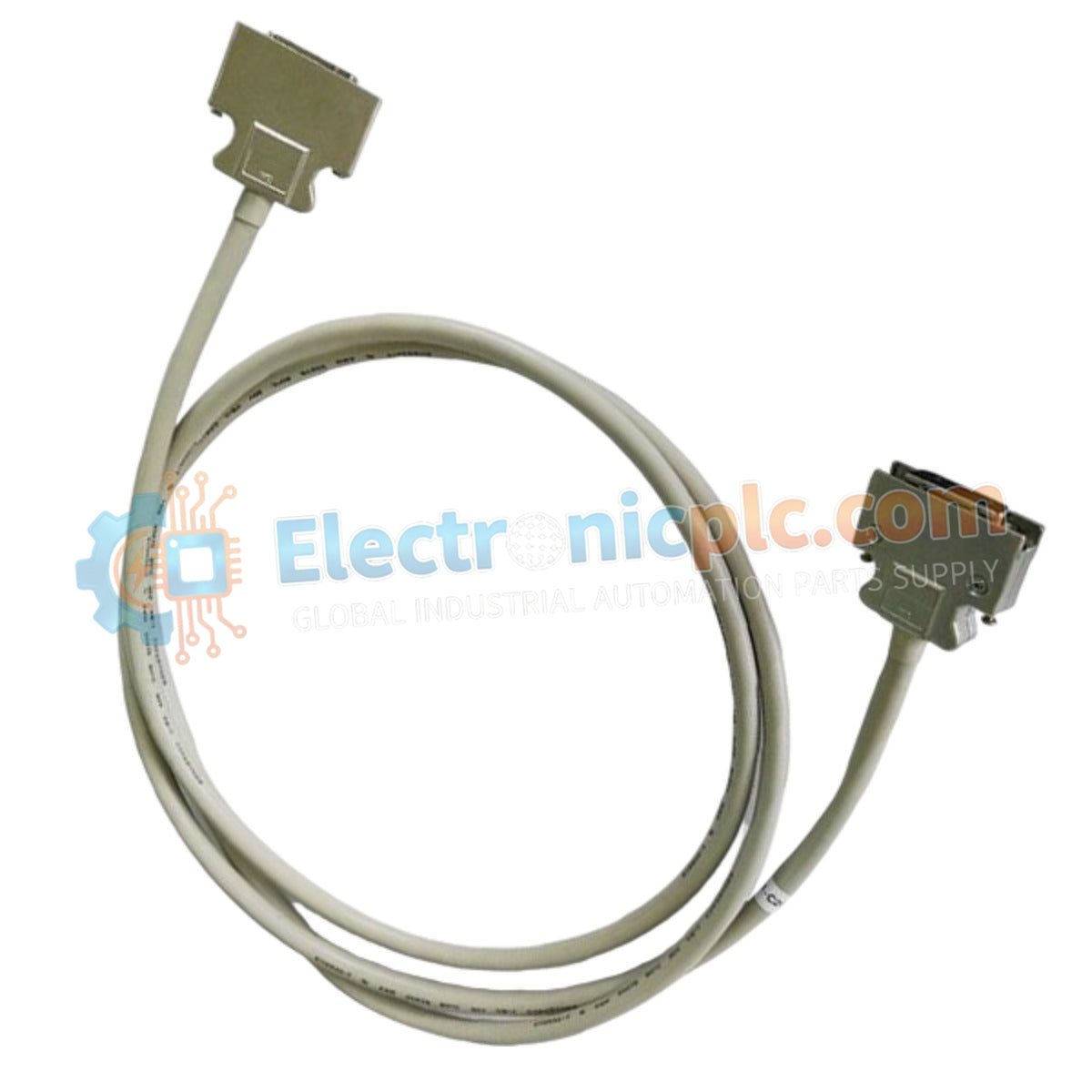
The Yokogawa YCB301-C20, also cataloged as the YCB301-C20 ESB Bus Cable, operates as a dedicated hardware component for high-speed data transmission and synchronization between controllers and I/O nodes within CENTUM VP network architectures.
| Parameter | Specification |
|---|---|
| Model | YCB301-C20 |
| Brand | Yokogawa |
| Origin | Japan |
| Weight | 2 kg |
| Dimensions | 2 meters length |
| Operating Temp | Standard industrial ambient range |
| Power Consumption | Not applicable (Passive interconnect) |
| Cable Type | ESB Bus Cable |
| Pin Configuration | 36-pin to 36-pin |
The YCB301-C20 is designed to facilitate the Extended Serial Bus (ESB) communication protocol, which is the standard backplane-extender interface for Yokogawa CENTUM VP distributed control systems. The 36-pin connector assembly provides the necessary multi-core shielding to maintain signal integrity over the 2-meter span, effectively mitigating electromagnetic interference (EMI) and crosstalk within crowded control cabinet environments. The internal conductor arrangement is optimized to support the high-speed, deterministic requirements of the ESB bus, ensuring low-latency communication between the processor and remote I/O modules.
Q: What is the primary function of the 36-pin ESB bus cable?
A: The YCB301-C20 serves as the physical link between the main control unit and remote I/O bases, carrying both communication data and power signals required for the operation of the I/O node.
Q: Can this cable be extended beyond the 2-meter length?
A: The ESB bus length is strictly dictated by the system design specifications for bus timing and signal attenuation. Extending the cable beyond the manufacturer-specified length can lead to timing errors or bus communication failures.


