
My Cart
0 items
Genuine Automation Parts | Worldwide Express Delivery | 12-Month Warranty — [GET A QUOTE]

Configured for high-reliability data transmission in distributed control systems, the Yokogawa YCB301-C600 (YCB301-C600) provides direct physical/electrical execution of ESB (Extended Serial Bus) communication between control and I/O modules.
Note: Please...
Availability: Low stock: 99 left
Reliable Worldwide Delivery
30-Day Money-Back Guarantee
Need more details? Read our fullShipping PolicyandRefund Policy.

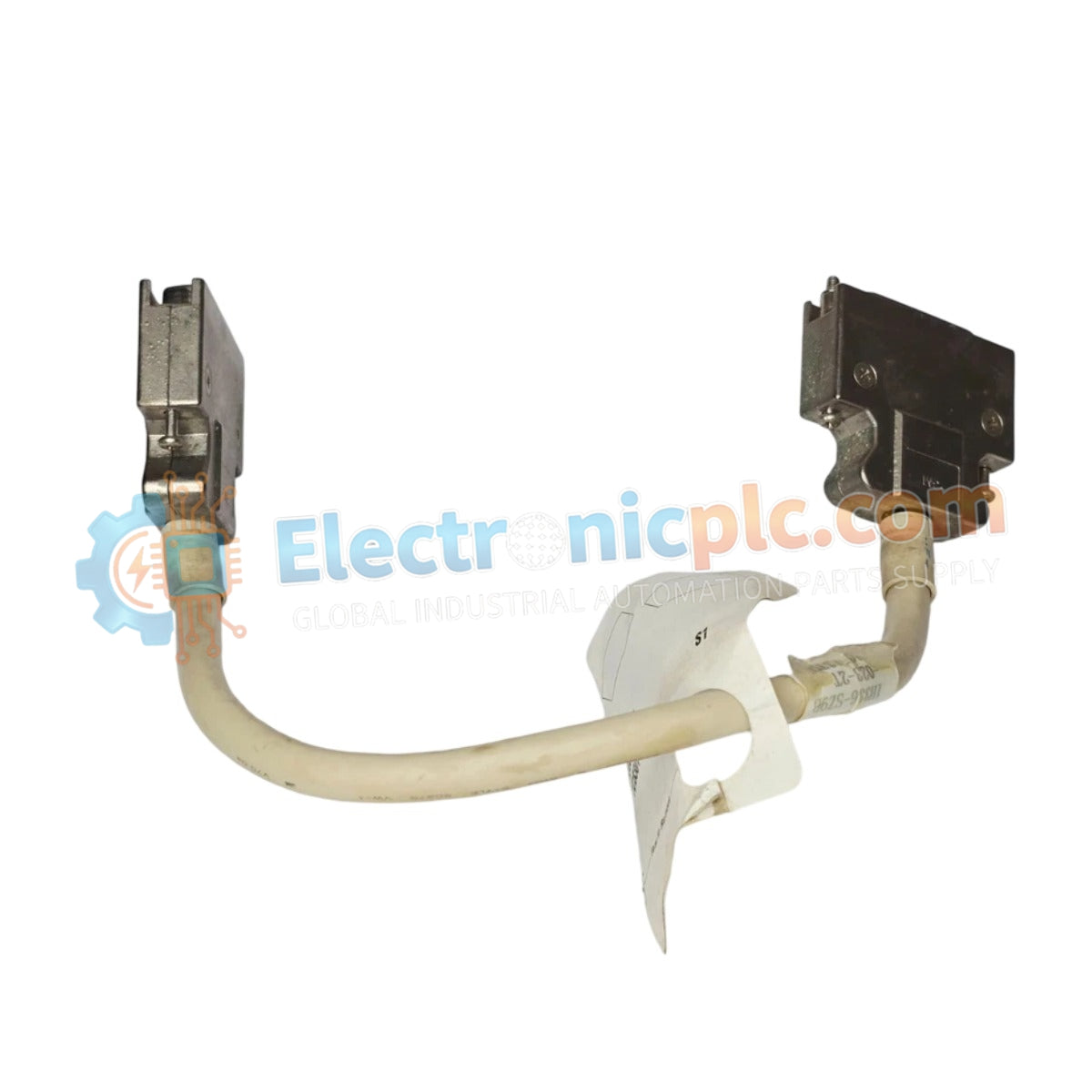
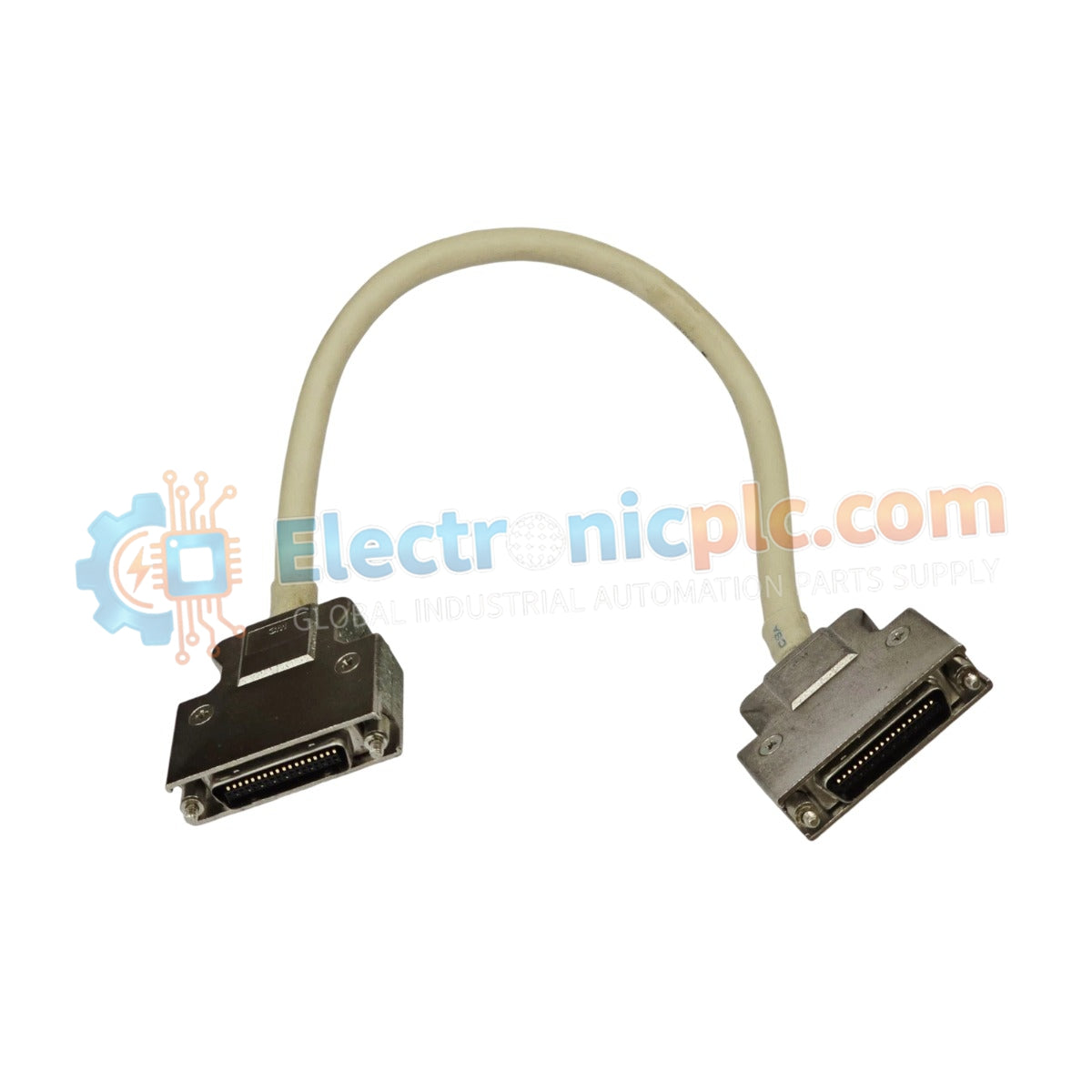
Configured for high-reliability data transmission in distributed control systems, the Yokogawa YCB301-C600 (YCB301-C600) provides direct physical/electrical execution of ESB (Extended Serial Bus) communication between control and I/O modules.
Note: Please verify the specific suffix code length, as the technical designation "C600" typically denotes a 6-meter (600 cm) cable length, which differs from the 20 cm specification often associated with the "C020" suffix.
| Parameter | Specification |
|---|---|
| Model | YCB301-C600 |
| Brand | Yokogawa |
| Origin | Japan |
| Weight | 2.0 kg |
| Dimensions | 600 cm (6.0 meters) |
| Interface | 36-pin to 36-pin |
| Bus Protocol | ESB (Extended Serial Bus) |
The YCB301-C600 serves as the primary physical link for the ESB bus, facilitating deterministic data exchange between Field Control Units (FCU) and remote node units. Because the ESB protocol relies on precise timing for data synchronization, this cable is engineered to maintain signal integrity over the 6-meter span. The internal construction features high-density shielding to minimize signal attenuation and crosstalk, ensuring that high-speed I/O data remains synchronized across the distributed control architecture.
Q: Can this cable be used to extend the bus beyond the original system design limits?
A: System-wide bus length is governed by the total propagation delay and signal attenuation allowed by the ESB protocol specifications. Replacing shorter cables with this 6-meter length must be validated against the total loop budget defined in the DCS installation manual.
Q: Is the YCB301-C600 shielded against high-frequency interference?
A: Yes, the cable is designed with robust internal shielding to protect against electrical noise. Ensure that it is routed through grounded cable trays and maintained at a safe distance from high-voltage AC power cables.


