
My Cart
0 items
Genuine Automation Parts | Worldwide Express Delivery | 12-Month Warranty — [GET A QUOTE]

Configured for high-speed pulse acquisition in distributed control system (DCS) platforms, the YOKOGAWA AAP149-S50 (AAP149 Pulse Input Module) provides direct physical pulse counting and frequency measurement execution.
Availability: Low stock: 99 left
Reliable Worldwide Delivery
30-Day Money-Back Guarantee
Need more details? Read our fullShipping PolicyandRefund Policy.
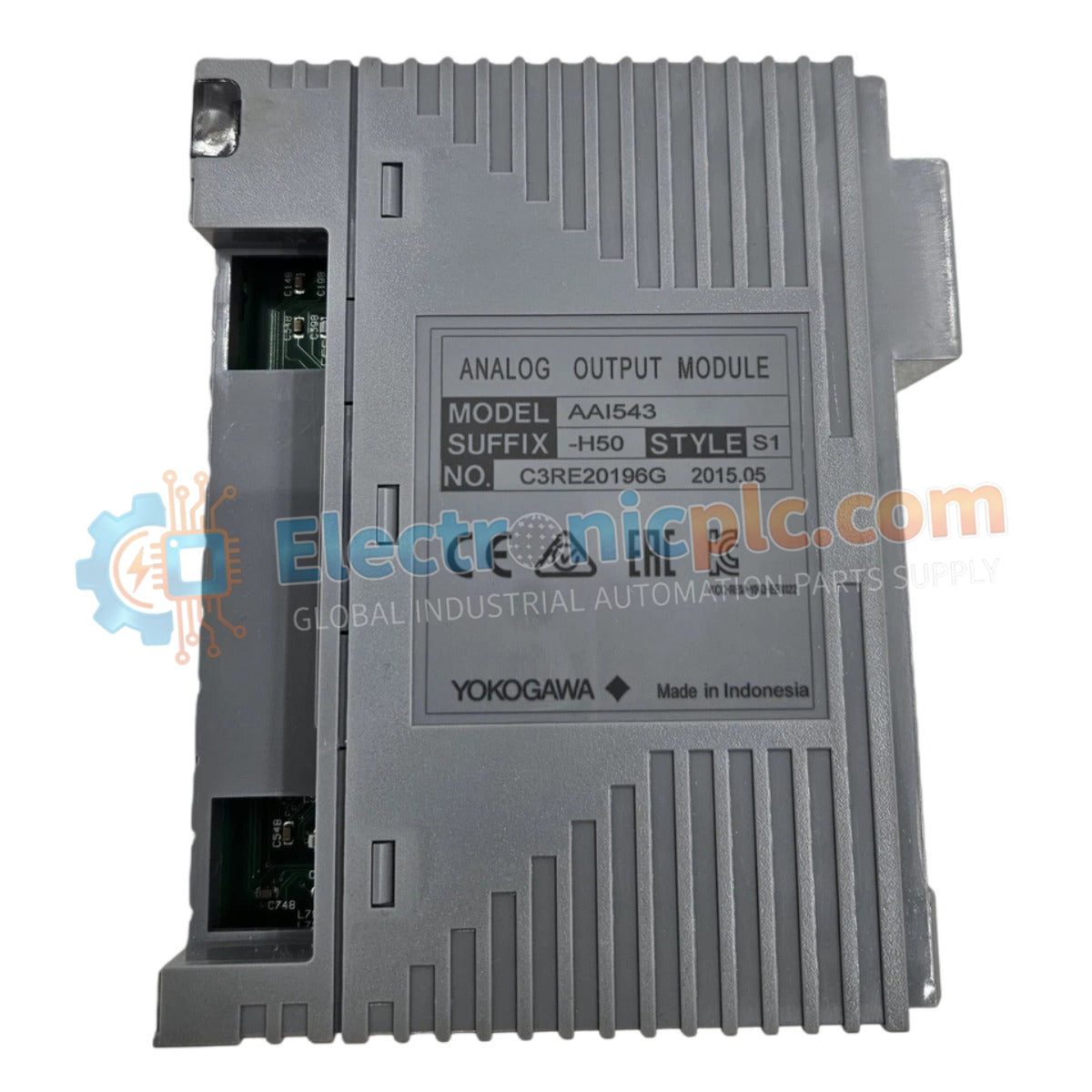
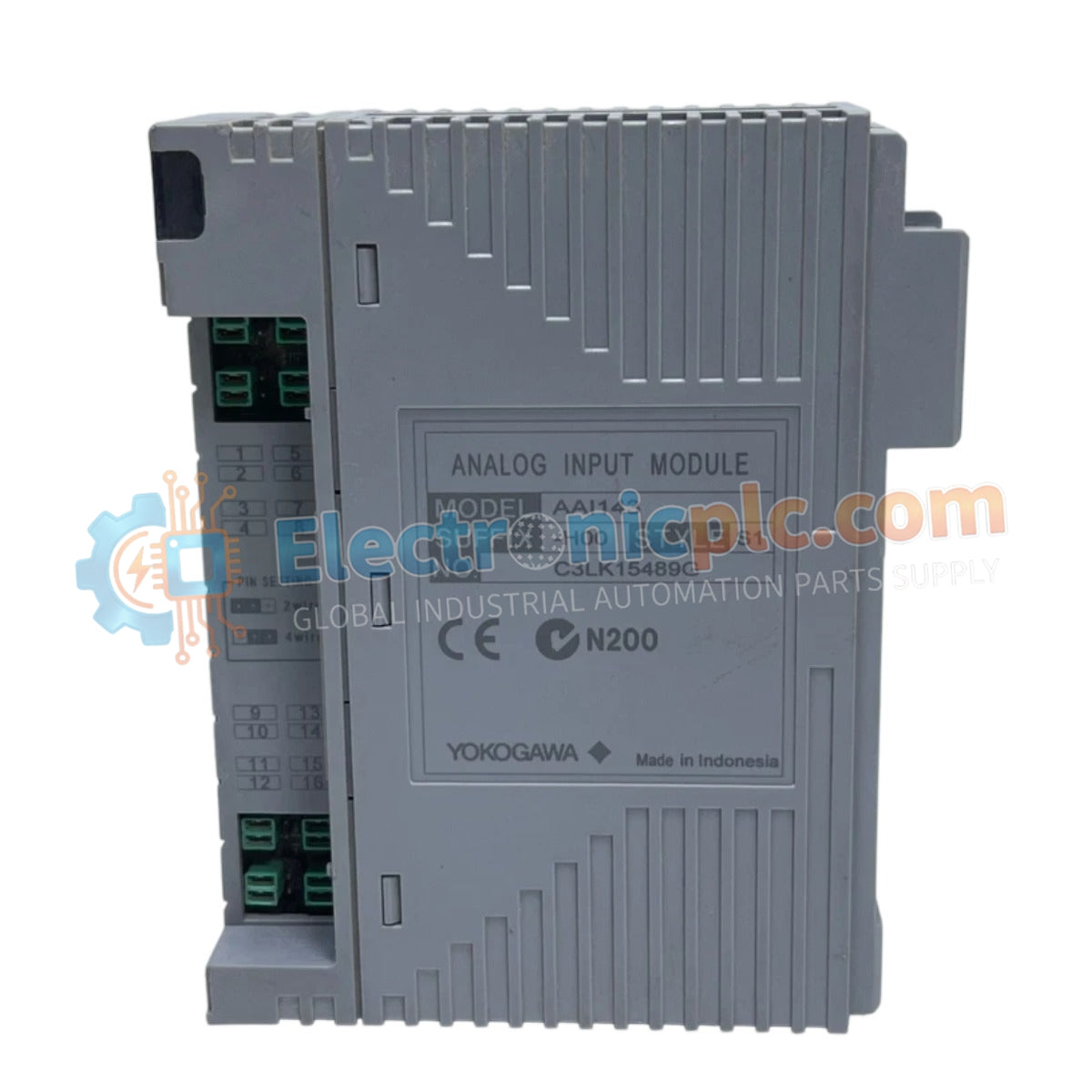
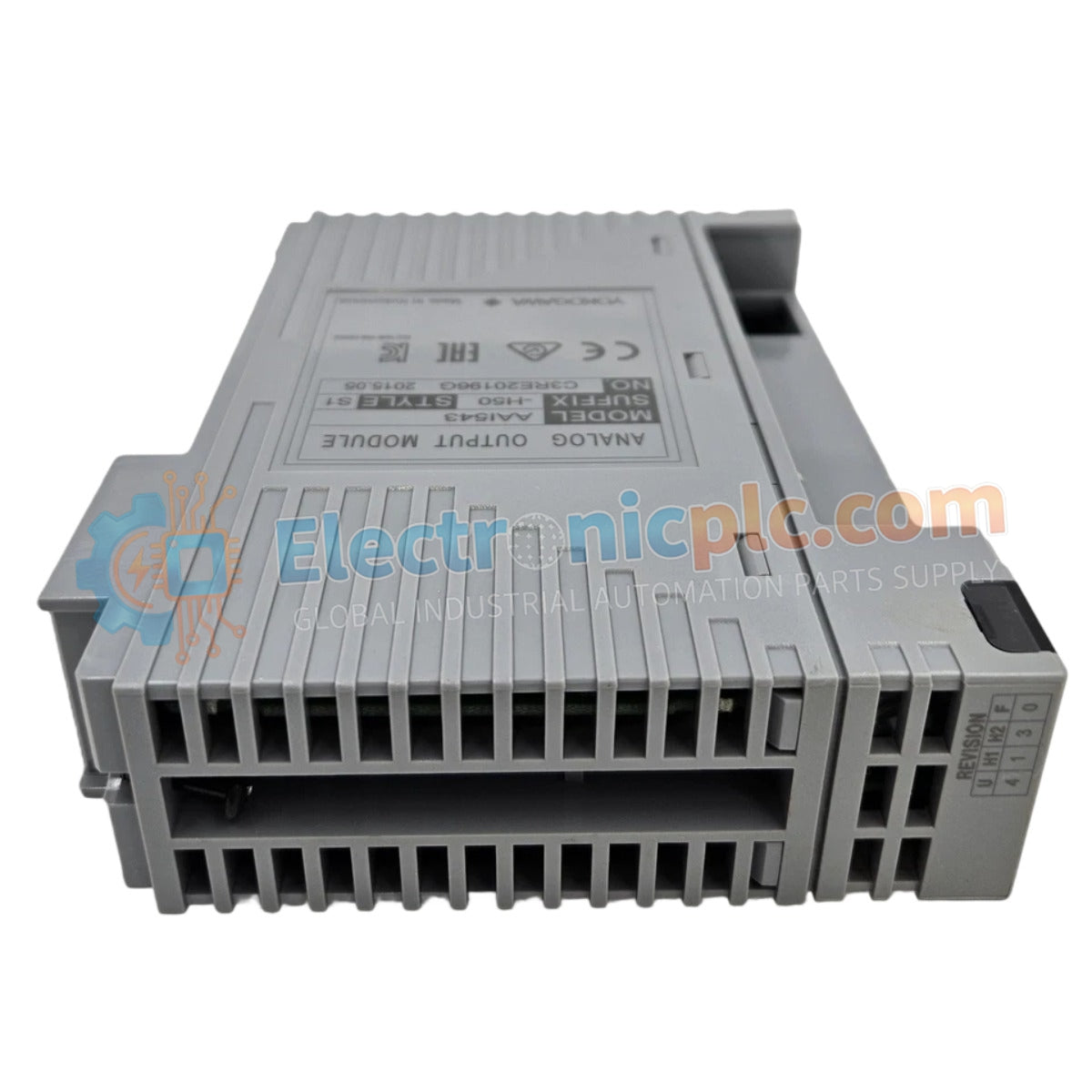
Configured for high-speed pulse acquisition in distributed control system (DCS) platforms, the YOKOGAWA AAP149-S50 (AAP149 Pulse Input Module) provides direct physical pulse counting and frequency measurement execution.
| Parameter | Specification |
|---|---|
| Model | AAP149-S50 |
| Brand | YOKOGAWA |
| Origin | N/A |
| Weight | 0.3 kg |
| Dimensions | N/A |
| Operating Temp | N/A |
| Power Consumption | 400 mA at 5 VDC |
| Channels | 16 non-isolated |
| Input Signal | Transistor contact (open collector) |
| Frequency Range | 0 to 6 kHz |
| Update Period | 2 ms |
The YOKOGAWA AAP149-S50 functions as the primary AAP149 Pulse Input Module utilized to execute high-speed pulse counting and frequency signal conversion across CENTUM VP and CENTUM CS 3000 platforms. The module architecture features 16 non-isolated input channels designed to process transistor contact or open collector signals. Data acquisition is performed with a 2 ms update period, and the input logic is configured specifically for trailing-edge pulse detection. This direct physical interface allows the DCS to monitor rapid field device activity with deterministic timing, ensuring that pulse-based measurements are synchronized with the overall control loop execution.
Q: Does the AAP149-S50 require external signal conditioning for open collector sensors? A: No, the module is designed to accept open collector transistor contact signals directly. Ensure the field device switching voltage is compatible with the module's input circuitry requirements.
Q: Are the 16 input channels galvanically isolated? A: No, the AAP149-S50 utilizes a non-isolated architecture. All connected field devices must share a common reference ground to maintain measurement integrity and prevent potential electrical damage.


