Skip to product information
1 of 2

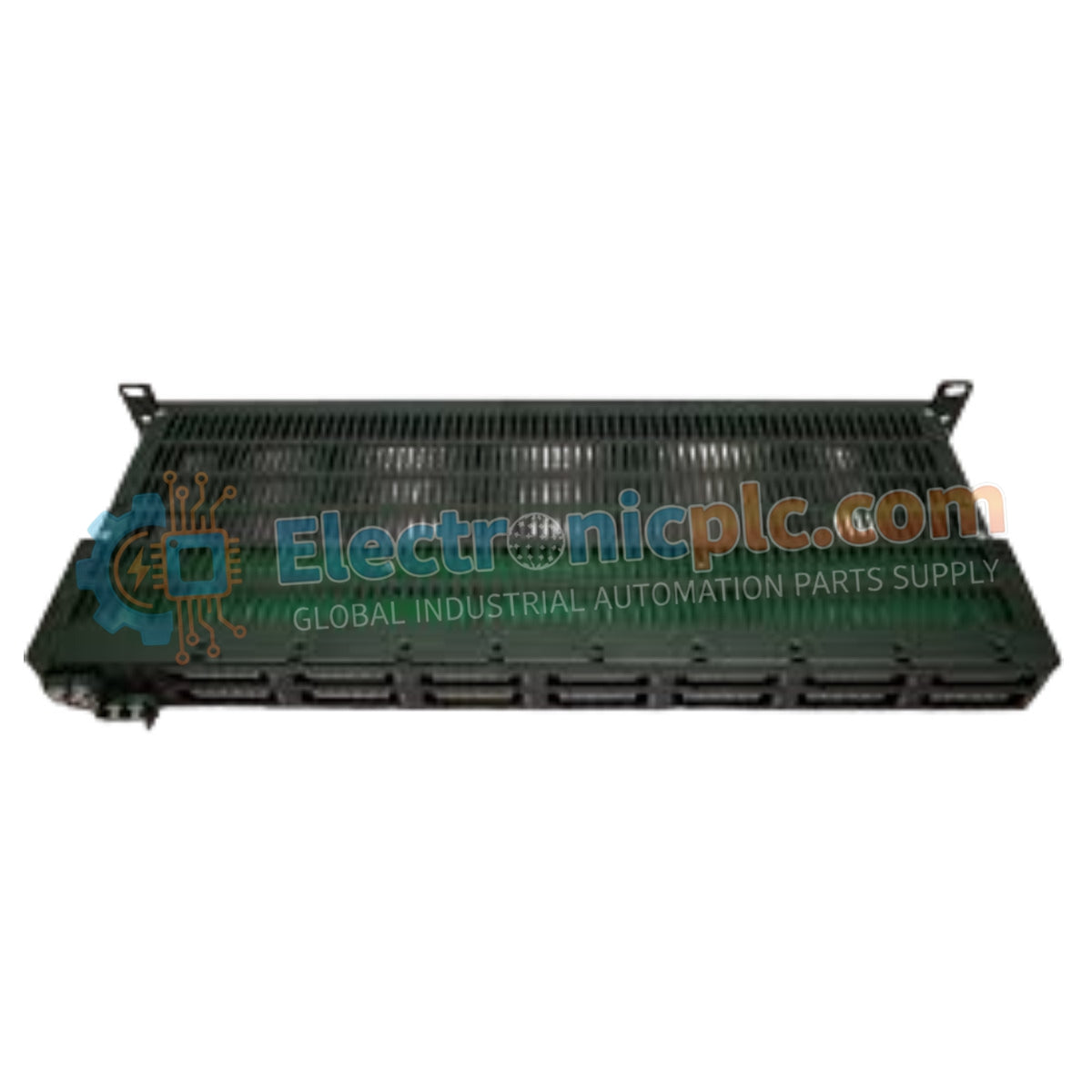
Yokogawa AEP7D10 Primary Power Supply Bus Unit

Yokogawa AEP7D10 Primary Power Supply Bus Unit

Configured for high-load power distribution in industrial control cabinets, the Yokogawa AEP7D10 (AEP7D10 Primary Power Supply Bus Unit) provides direct electrical execution for secondary power management and current distribution.

Suffix...

29 people are viewing this right now

AvailabilityIn stock

SKU: AEP7D10
Vendor: Yokogawa

Shipping & Returns

Reliable Worldwide Delivery

  • Carriers: Shipped via DHL, FedEx, UPS, or USPS.
  • Dispatch: Orders processed in 1-2 business days and dispatched within 3-5 business days.
  • Tracking: Full tracking details provided via email upon shipment.

30-Day Money-Back Guarantee

  • Guarantee: 30-day return window for in-stock, factory-sealed products.
  • Condition: Items must be unopened, unused, and in original packaging.
  • Authenticity: We guarantee 100% original and authentic hardware.

Need more details? Read our fullShipping PolicyandRefund Policy.

Authenticity & Warranty

  • Genuine Guarantee: We supply only 100% original, brand-new, and factory-sealed industrial automation parts.
  • Full Coverage: Every component is backed by a 12-month comprehensive warranty from the date of purchase.
  • Traceability: All products come with original factory documentation and accessories for full industrial compliance.

Technical Support & Sourcing

  • Expert Assistance: Our technical team provides free consultation to help you verify compatibility for DCS and PLC systems.
  • Rare Part Sourcing: Specializing in obsolete and hard-to-find components from Allen-Bradley, Siemens, ABB, HIMA, and more.
  • Bulk Inquiries: Contact us at pambo@5gplc.com for volume pricing or customized project quotes.
View full product details

Configured for high-load power distribution in industrial control cabinets, the Yokogawa AEP7D10 (AEP7D10 Primary Power Supply Bus Unit) provides direct electrical execution for secondary power management and current distribution.

Suffix Breakdown & Model Matrix

The AEP7D10 utilizes a standardized coding structure to define its electrical input and safety classification:

  • 1: Specifies the operating input voltage range of 100 to 120 V AC.
  • 5: Identifies the basic hardware configuration, indicating that the unit is designed for standard industrial environments without explosion-proof (Ex) protection.

Hardware Specifications

Parameter Specification
Model AEP7D10
Brand Yokogawa
Origin Japan
Weight 1.85kg
Dimensions Standard cabinet-mount form factor
Operating Temp Not specified
Power Consumption Max. 20 A (Total)
Input Voltage 100 to 120 V AC
Port Current 6 A per port

Yokogawa DCS and Process Control Connectivity

The AEP7D10 serves as the fundamental power distribution node for DCS and PLC racks. The unit is engineered to maintain system integrity by providing high-capacity current paths while ensuring galvanic isolation through a 1500 V AC withstanding voltage rating. Proper load balancing across the individual ports—each rated for a maximum of 6 A—is required to prevent localized thermal degradation of the bus bars. By centralizing the primary 100 to 120 V AC supply, the unit supports consistent power delivery to downstream modules, facilitating stable operation of sensitive process control instrumentation.

Frequently Asked Questions

Q: Can this unit be used in hazardous, explosion-prone areas?

A: No. The "5" suffix indicates that this model is a basic type with no explosion protection and is intended strictly for safe, non-hazardous industrial environments.

Q: Is it permissible to connect a load exceeding 6 A to a single port?

A: No. Each port is strictly limited to a maximum current of 6 A to prevent overheating and potential circuit damage. Total current draw must not exceed the primary bus limit of 20 A.

Field Installation Guidelines

  1. Ensure that the primary power source is fully isolated and locked out before initiating installation.
  2. Verify that the incoming 100 to 120 V AC lines are appropriately fused at the source to protect the bus unit from overcurrent conditions.
  3. Use wire lugs rated for the appropriate current (up to 20 A total) and ensure that all terminal connections are torqued to manufacturer specifications to maintain low contact resistance.
  4. Mount the unit in a well-ventilated cabinet space, ensuring adequate clearance for thermal dissipation during operation.
  5. Confirm that the system earth ground is securely bonded to the chassis to satisfy electromagnetic compatibility (EMC) requirements and safety standards.