Skip to product information
1 of 3

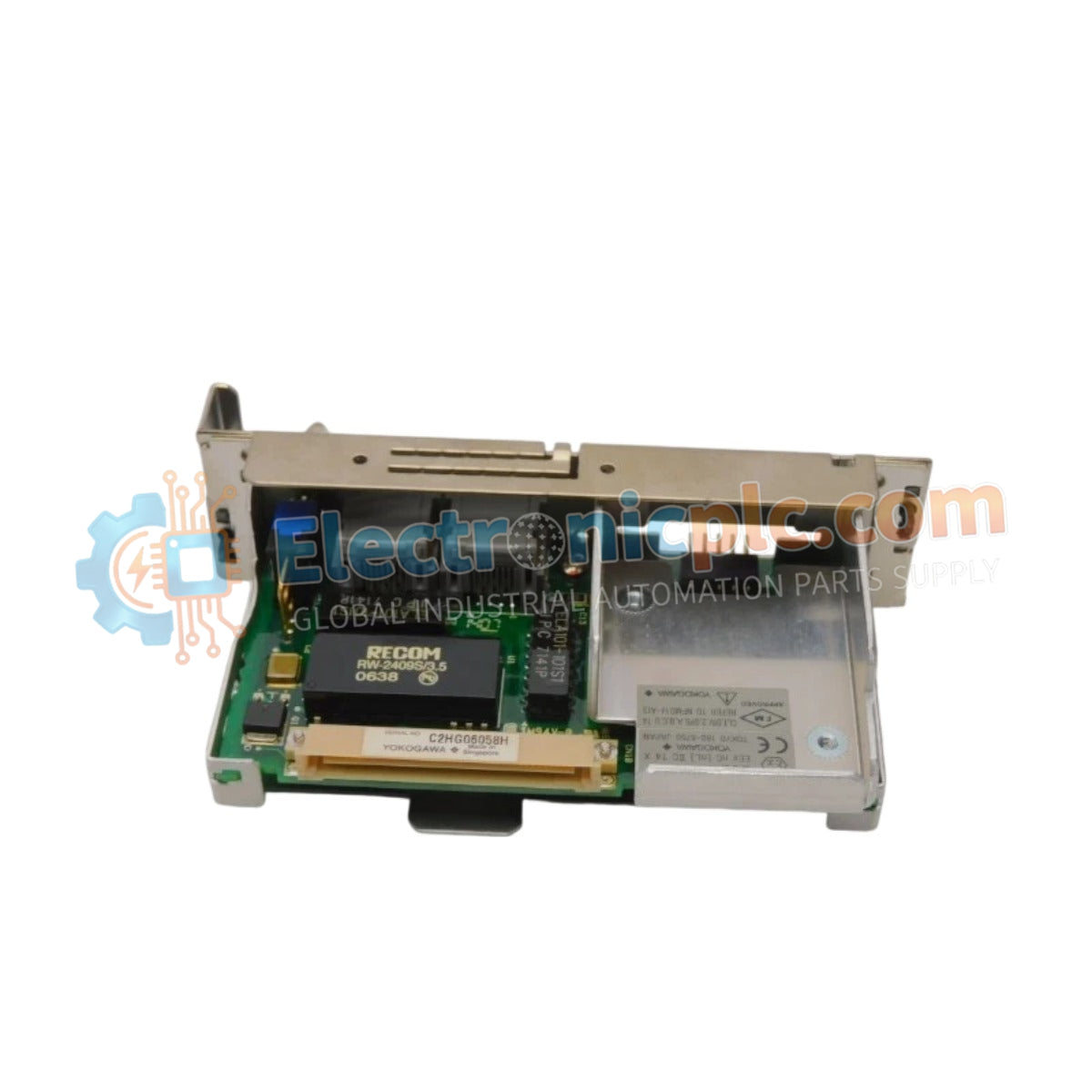
Yokogawa AIP504-11 S1 V-NET Coupler Module

Yokogawa AIP504-11 S1 V-NET Coupler Module

Configured for high-speed network communication in CENTUM VP process control architectures, the Yokogawa AIP504-11 S1 (AIP504-11 S1 V-NET Coupler Module) provides direct physical signal bridging and protocol management across the...

18 people are viewing this right now

AvailabilityLow stock: 99 left

SKU: AIP504-11 S1
Vendor: Yokogawa
Related Series:

Shipping & Returns

Reliable Worldwide Delivery

  • Carriers: Shipped via DHL, FedEx, UPS, or USPS.
  • Dispatch: Orders processed in 1-2 business days and dispatched within 3-5 business days.
  • Tracking: Full tracking details provided via email upon shipment.

30-Day Money-Back Guarantee

  • Guarantee: 30-day return window for in-stock, factory-sealed products.
  • Condition: Items must be unopened, unused, and in original packaging.
  • Authenticity: We guarantee 100% original and authentic hardware.

Need more details? Read our fullShipping PolicyandRefund Policy.

Authenticity & Warranty

  • Genuine Guarantee: We supply only 100% original, brand-new, and factory-sealed industrial automation parts.
  • Full Coverage: Every component is backed by a 12-month comprehensive warranty from the date of purchase.
  • Traceability: All products come with original factory documentation and accessories for full industrial compliance.

Technical Support & Sourcing

  • Expert Assistance: Our technical team provides free consultation to help you verify compatibility for DCS and PLC systems.
  • Rare Part Sourcing: Specializing in obsolete and hard-to-find components from Allen-Bradley, Siemens, ABB, HIMA, and more.
  • Bulk Inquiries: Contact us at pambo@5gplc.com for volume pricing or customized project quotes.
View full product details

Configured for high-speed network communication in CENTUM VP process control architectures, the Yokogawa AIP504-11 S1 (AIP504-11 S1 V-NET Coupler Module) provides direct physical signal bridging and protocol management across the V-NET control bus.

Suffix Breakdown & Model Matrix

  • AIP504: Base V-NET coupler module identifier.
  • 11: Optimized hardware revision for enhanced network throughput and diagnostic capability.
  • S1: Firmware and software support variant for core CENTUM VP control bus integration.

Hardware Specifications

Parameter Specification
Model AIP504-11 S1
Brand Yokogawa
Origin Japan
Weight 0.7 kg
Dimensions 12.8 cm x 12.8 cm x 6.2 cm
Operating Temp -10 deg C to 60 deg C
Power Consumption 24 VDC (Backplane supplied)
Bus Type V-NET

Backplane Bus Communication and Network Determinism

The AIP504-11 S1 module manages deterministic data traffic between station bus segments. The unit employs a high-speed processor to execute V-NET frame filtering and arbitration, ensuring that time-critical process data receives priority within the control network. This coupling process minimizes frame latency and prevents broadcast storm congestion on the station bus, maintaining the required real-time response for distributed control operations.

Frequently Asked Questions

Q: Can the AIP504-11 S1 be hot-swapped while the V-NET station bus is active?

A: Yes, the module supports hot-swapping within a powered V-NET bus environment. The internal diagnostic logic recognizes the module removal and re-insertion, triggering an automatic link re-synchronization. Ensure the replacement module is correctly configured for the specific bus segment address prior to insertion.

Q: How does this module handle network fault propagation compared to previous revisions?

A: The AIP504-11 revision includes enhanced isolation circuitry and refined frame-check diagnostic flags to prevent physical layer faults on one bus segment from propagating to the rest of the V-NET infrastructure. If an invalid frame rate or electrical error is detected, the module automatically isolates the port to maintain overall network stability.

Field Installation Guidelines

  1. Ensure the control cabinet environment is free of conductive dust, which could bridge the high-frequency communication pins on the module backplane.
  2. Align the module with the designated station bus slot; verify that the rear connector pins are fully engaged before tightening the module securing screws.
  3. Use only manufacturer-specified V-NET coaxial cabling for connections; ensure that cable shields are grounded at the cabinet entry point to suppress common-mode noise.
  4. Verify link status via the front-panel LEDs; a steady green status indicates successful bus synchronization and active network participation.
  5. In redundant V-NET configurations, ensure that both couplers are initialized in the correct primary/secondary sequence to prevent bus arbitration conflicts.