Skip to product information
1 of 3

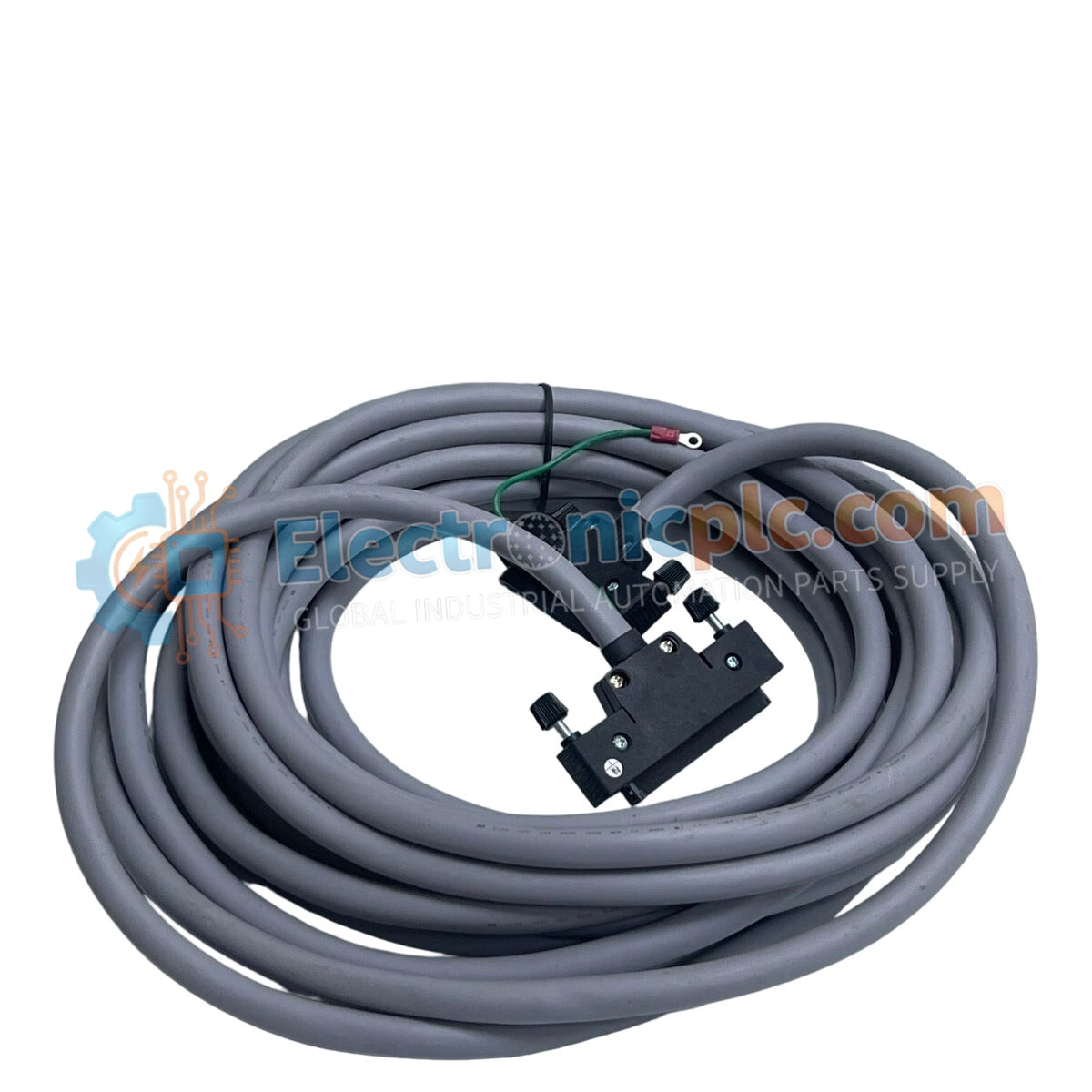
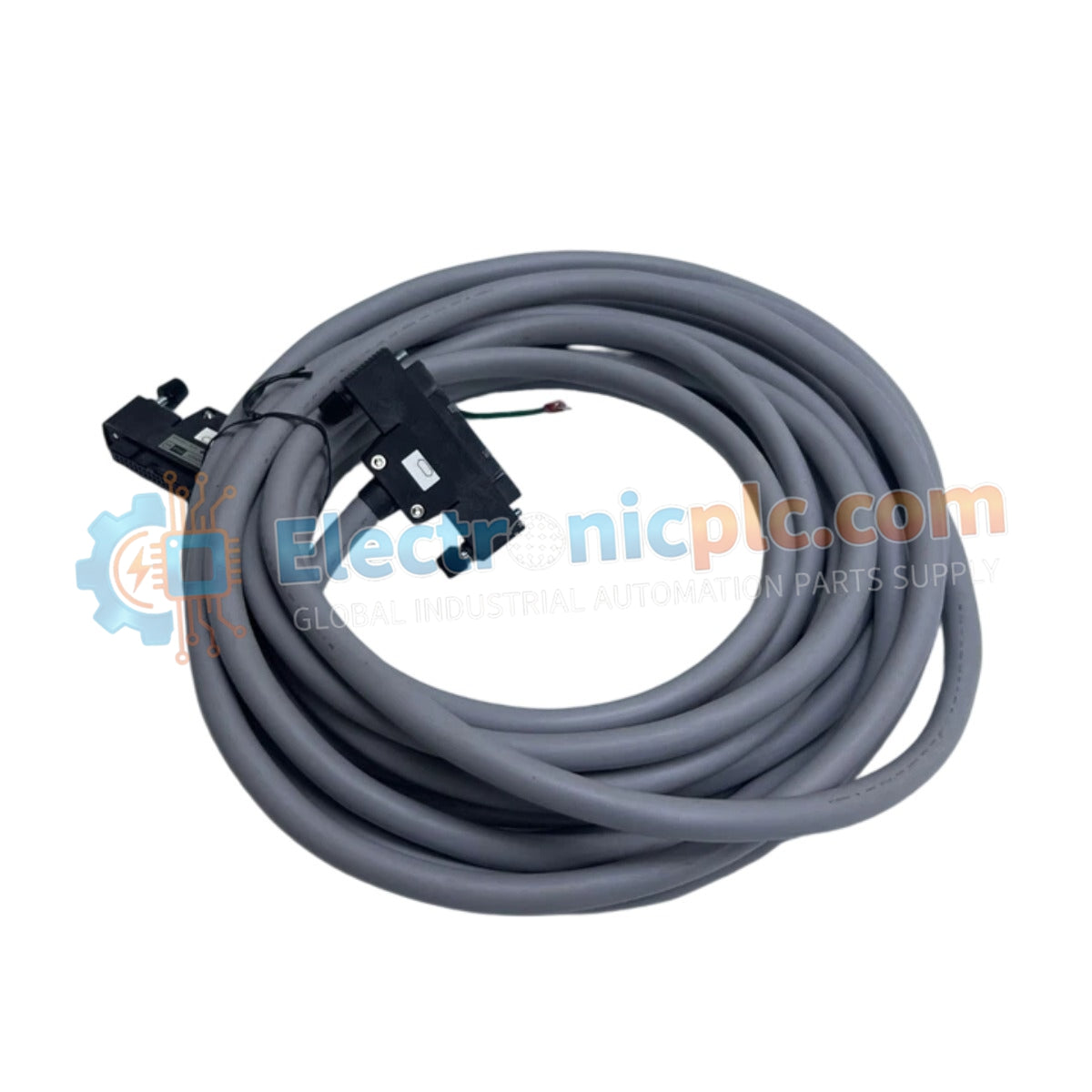
YOKOGAWA AKB161-M100 Signal Cable

YOKOGAWA AKB161-M100 Signal Cable

Configured for serial data transmission between control interfaces, the YOKOGAWA AKB161-M100 (AKB161 Signal Cable) provides direct physical/electrical execution of RS-422 and RS-485 communication protocols between M4 and M3 terminal assemblies.

...
29 people are viewing this right now

AvailabilityLow stock: 99 left

SKU: AKB161-M100
Vendor: Yokogawa
Category: Signal Cable
Related Series:

Shipping & Returns

Reliable Worldwide Delivery

  • Carriers: Shipped via DHL, FedEx, UPS, or USPS.
  • Dispatch: Orders processed in 1-2 business days and dispatched within 3-5 business days.
  • Tracking: Full tracking details provided via email upon shipment.

30-Day Money-Back Guarantee

  • Guarantee: 30-day return window for in-stock, factory-sealed products.
  • Condition: Items must be unopened, unused, and in original packaging.
  • Authenticity: We guarantee 100% original and authentic hardware.

Need more details? Read our fullShipping PolicyandRefund Policy.

Authenticity & Warranty

  • Genuine Guarantee: We supply only 100% original, brand-new, and factory-sealed industrial automation parts.
  • Full Coverage: Every component is backed by a 12-month comprehensive warranty from the date of purchase.
  • Traceability: All products come with original factory documentation and accessories for full industrial compliance.

Technical Support & Sourcing

  • Expert Assistance: Our technical team provides free consultation to help you verify compatibility for DCS and PLC systems.
  • Rare Part Sourcing: Specializing in obsolete and hard-to-find components from Allen-Bradley, Siemens, ABB, HIMA, and more.
  • Bulk Inquiries: Contact us at pambo@5gplc.com for volume pricing or customized project quotes.
View full product details

Configured for serial data transmission between control interfaces, the YOKOGAWA AKB161-M100 (AKB161 Signal Cable) provides direct physical/electrical execution of RS-422 and RS-485 communication protocols between M4 and M3 terminal assemblies.

Suffix Breakdown & Model Matrix

  • AKB161: Base model designation for the RS-422/RS-485 serial interface cable.
  • M100: Indicates the total cable length in meters (100 m). The design supports 5-meter incremental scaling up to this maximum length.

Hardware Specifications

Parameter Specification
Model AKB161-M100
Brand YOKOGAWA
Origin japan
Weight 0.68kg
Dimensions Max length 100 m
Operating Temp Standard Industrial Range
Power Consumption Passive Component
Terminal Side A M4 Terminal
Terminal Side B M3 Terminal

Serial Communication Technical Characteristics

The AKB161-M100 is engineered to maintain signal integrity for differential serial protocols (RS-422/RS-485) across distributed distances. The cable construction utilizes twisted-pair conductors to provide high common-mode noise rejection, which is necessary for stable data exchange in environments with significant electromagnetic interference. The physical interface architecture ensures that signal attenuation remains within the operational requirements for RS-485 bus protocols over the full 100-meter span, preventing data packet loss or framing errors during asynchronous communication.

Frequently Asked Questions

Q: Can the AKB161 cable be extended beyond the 100-meter maximum length?

A: Extending the cable beyond 100 meters is not recommended, as signal attenuation and reflections will exceed the tolerances of the RS-422/RS-485 physical layer, likely resulting in communication failure.

Q: Are the M4 and M3 terminals field-interchangeable?

A: The terminals are application-specific; ensure the M4 side is connected to the ALM port and the M3 side to the target field terminal block as specified in the hardware documentation.

Field Installation Guidelines

  1. Terminal Securing: Ensure that the M4 and M3 terminal screws are tightened to the correct torque to prevent high-resistance connections, which can cause intermittent communication drops in serial loops.
  2. Cable Shielding: Connect the cable shield to the cabinet's instrument earth bus at the specified grounding point. Proper shielding is required to protect the differential data signals from industrial noise.
  3. Routing Limits: Route the cable through dedicated instrumentation conduits. Maintain a minimum separation of 300 mm from high-voltage AC power lines to minimize inductive interference.
  4. Mechanical Stress: Avoid subjecting the cable to sharp bends during installation. Adhere to the manufacturer’s specified minimum bend radius to prevent internal conductor fatigue or insulation compromise.