Skip to product information
1 of 3

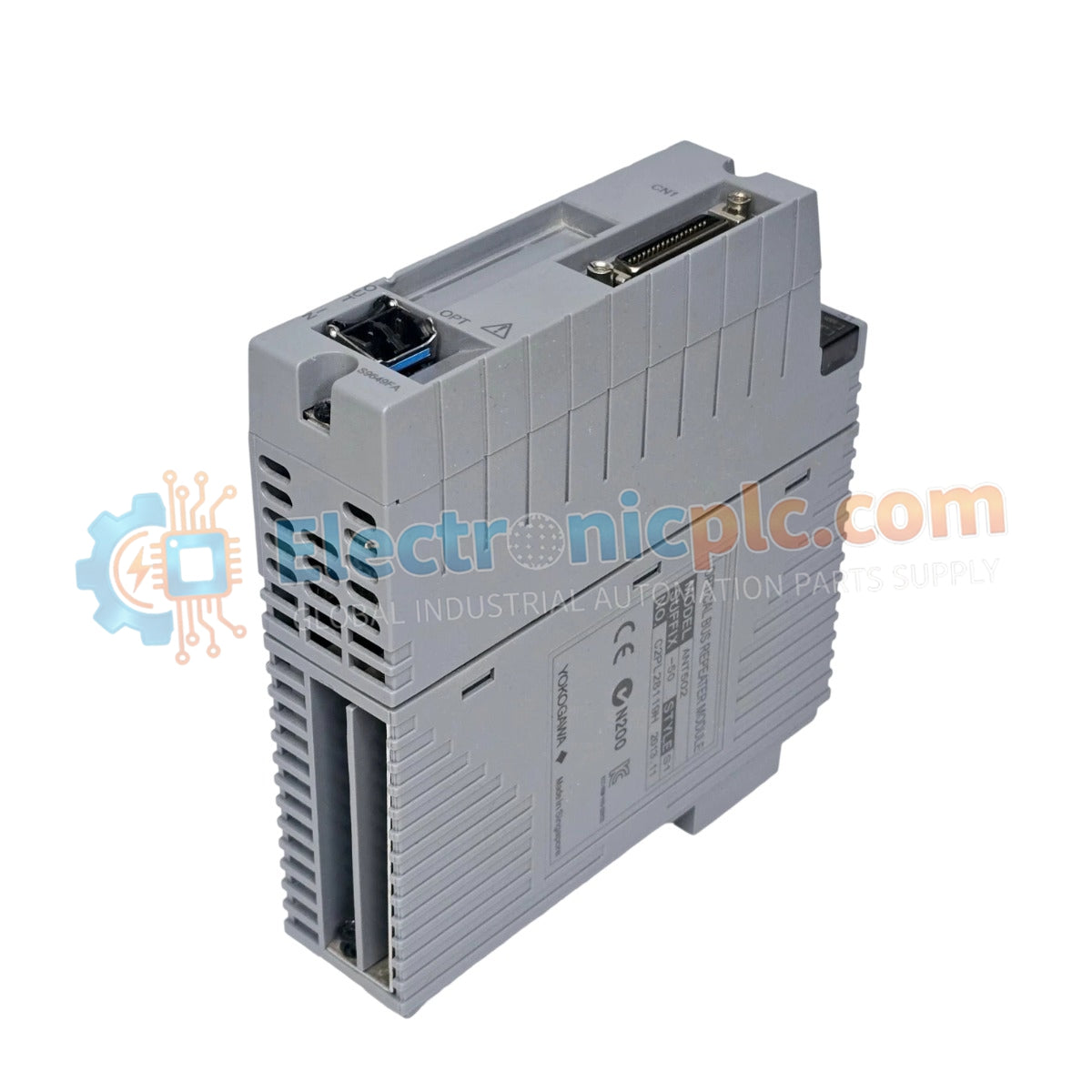
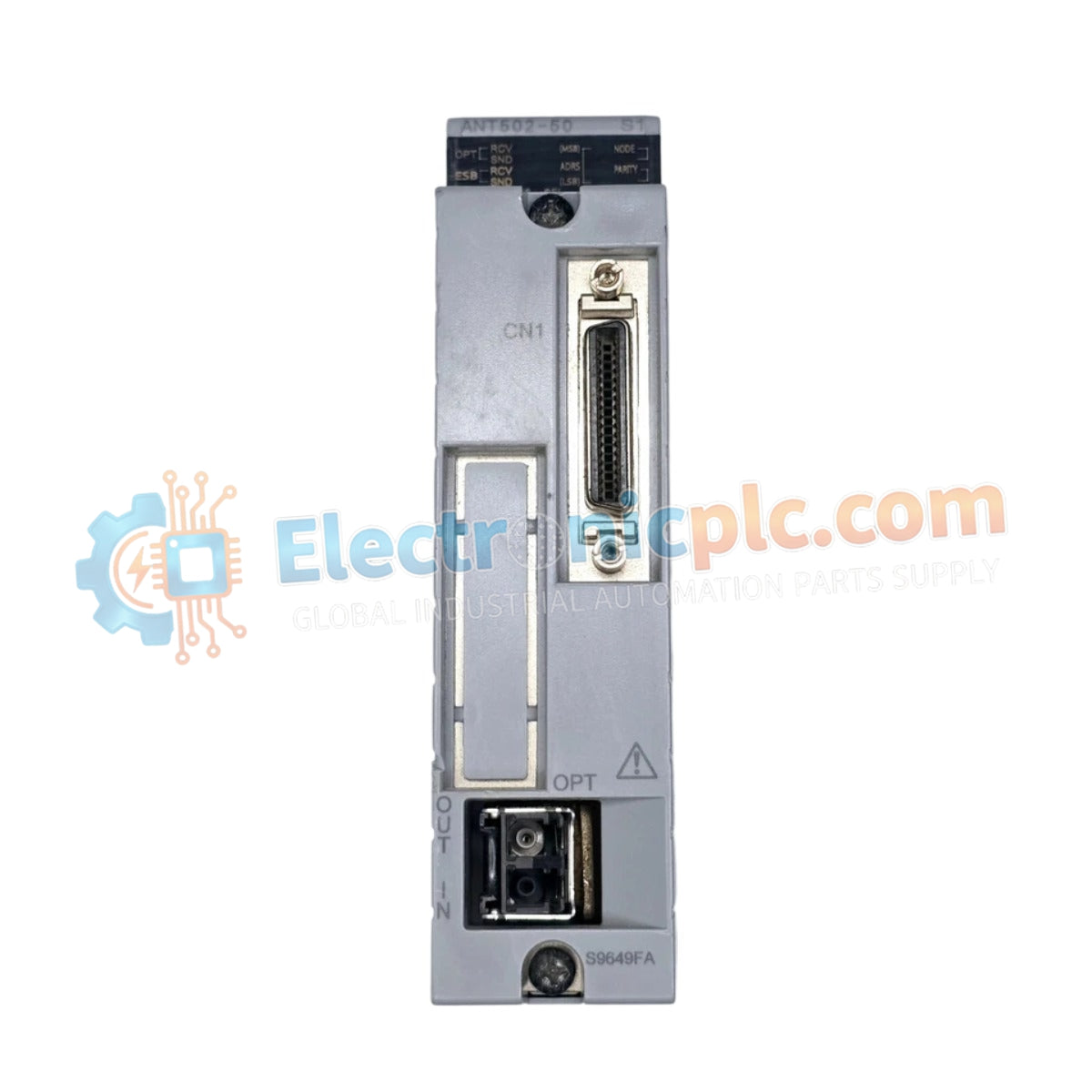
YOKOGAWA ANT401-50/CU1T Optical ESB Bus Repeater Master Module

YOKOGAWA ANT401-50/CU1T Optical ESB Bus Repeater Master Module

The YOKOGAWA ANT401-50/CU1T, also cataloged as the ANT401 Optical ESB Bus Repeater Master Module, operates as a dedicated hardware component for extending the reach of the ESB bus architecture across...

27 people are viewing this right now

AvailabilityLow stock: 99 left

SKU: ANT401-50/CU1T
Vendor: Yokogawa

Shipping & Returns

Reliable Worldwide Delivery

  • Carriers: Shipped via DHL, FedEx, UPS, or USPS.
  • Dispatch: Orders processed in 1-2 business days and dispatched within 3-5 business days.
  • Tracking: Full tracking details provided via email upon shipment.

30-Day Money-Back Guarantee

  • Guarantee: 30-day return window for in-stock, factory-sealed products.
  • Condition: Items must be unopened, unused, and in original packaging.
  • Authenticity: We guarantee 100% original and authentic hardware.

Need more details? Read our fullShipping PolicyandRefund Policy.
Authenticity & Warranty

  • Genuine Guarantee: We supply only 100% original, brand-new, and factory-sealed industrial automation parts.
  • Full Coverage: Every component is backed by a 12-month comprehensive warranty from the date of purchase.
  • Traceability: All products come with original factory documentation and accessories for full industrial compliance.

Technical Support & Sourcing

  • Expert Assistance: Our technical team provides free consultation to help you verify compatibility for DCS and PLC systems.
  • Rare Part Sourcing: Specializing in obsolete and hard-to-find components from Allen-Bradley, Siemens, ABB, HIMA, and more.
  • Bulk Inquiries: Contact us at pambo@5gplc.com for volume pricing or customized project quotes.
View full product details

The YOKOGAWA ANT401-50/CU1T, also cataloged as the ANT401 Optical ESB Bus Repeater Master Module, operates as a dedicated hardware component for extending the reach of the ESB bus architecture across distributed control system (DCS) platforms.

Suffix Breakdown & Model Matrix

  • ANT401: Base model designation for the optical ESB bus repeater master unit.
  • 5: Denotes the standard hardware type without explosion protection requirements.
  • 0: Identifies the basic functional configuration level.
  • /CU1T: Specifies the inclusion of a connector unit integrated with a terminator for the ESB bus.

Hardware Specifications

Parameter Specification
Model ANT401-50/CU1T
Brand YOKOGAWA
Origin japan
Weight 0.3kg
Dimensions Standard Module Format
Operating Temp Standard Industrial Range
Power Consumption Subject to backplane load
Range 5 km optical transmission
Interface ESB Bus (Optical)

ESB Bus Communication Characteristics

The ANT401-50/CU1T facilitates high-speed data transmission over optical fiber, enabling the extension of ESB bus segments up to 5 km. This module provides essential signal conversion from electrical ESB bus protocols to optical signals, ensuring deterministic data exchange between the control station and remote I/O nodes. The architecture employs channel-to-channel isolation to prevent ground potential differences between distant nodes from affecting the communication bus. The integrated terminator in the /CU1T connector unit minimizes signal reflections at the end of the ESB bus segment, maintaining packet integrity for real-time control synchronization.

Frequently Asked Questions

Q: Can this master module be used with any fiber-optic cable type?

A: No, the optical interface is calibrated for specific fiber-optic standards compatible with Yokogawa control infrastructure. Using incompatible fiber-optic cabling can lead to excessive signal attenuation and communication failures.

Q: Is the ANT401-50/CU1T capable of managing redundant optical segments?

A: Yes, the module supports redundancy within the ESB bus architecture. Proper configuration of the master and slave modules is necessary to ensure seamless failover in the event of an optical path fault.

Field Installation Guidelines

  1. Optical Connection: Ensure the fiber-optic connectors are cleaned using industry-standard fiber inspection and cleaning tools before insertion to prevent signal loss due to dust or contaminants.
  2. Backplane Engagement: Align the module vertically with the designated backplane slot. Apply uniform pressure to ensure the card edge connectors fully engage with the bus terminals without forcing the module housing.
  3. Earthing and Shielding: Secure the module chassis to the cabinet grounding rail. Proper earthing is required to mitigate electromagnetic interference (EMI) at the electrical interface side of the module.
  4. Wiring Segregation: Route the optical fiber cabling away from high-power conduits to avoid accidental mechanical stress or excessive bending, which may lead to permanent fiber core damage.