
My Cart
0 items
Genuine Automation Parts | Worldwide Express Delivery | 12-Month Warranty — [GET A QUOTE]

The Yokogawa ASD533-S00/SD3S0, also cataloged as the ASD533 Control Module, operates as a dedicated hardware component for advanced signal processing and control logic execution within CENTUM DCS network platforms.
Availability: Low stock: 99 left
Reliable Worldwide Delivery
30-Day Money-Back Guarantee
Need more details? Read our fullShipping PolicyandRefund Policy.


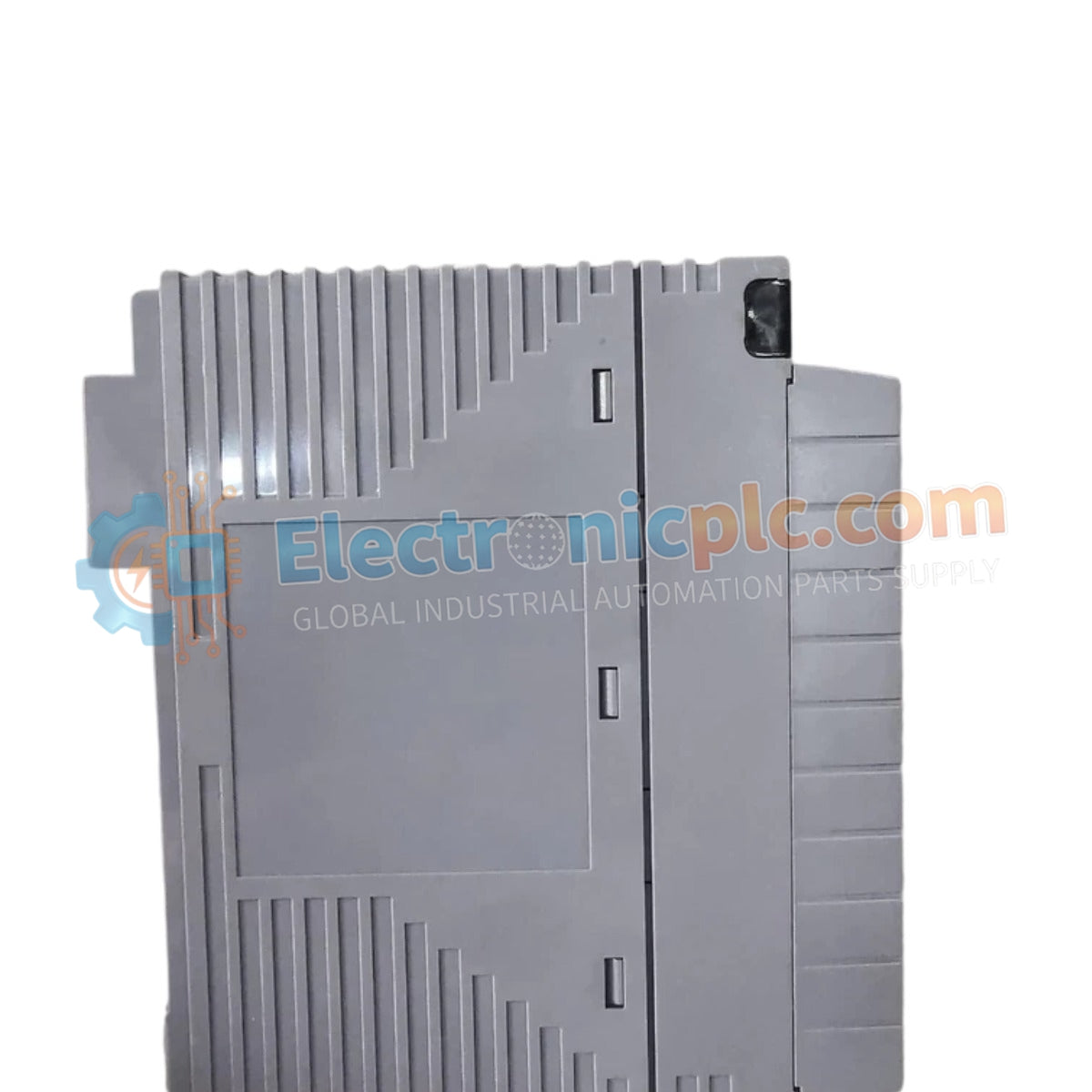
The Yokogawa ASD533-S00/SD3S0, also cataloged as the ASD533 Control Module, operates as a dedicated hardware component for advanced signal processing and control logic execution within CENTUM DCS network platforms.
| Parameter | Specification |
|---|---|
| Model | ASD533-S00/SD3S0 |
| Brand | Yokogawa |
| Origin | Japan |
| Weight | Not Specified |
| Dimensions | Not Specified |
| Operating Temp | -20 deg C to +70 deg C |
| Power Consumption | Not Specified |
| Functionality | Control and Signal Processing |
| Compatibility | Yokogawa CENTUM DCS |
The ASD533-S00/SD3S0 module functions within the DCS environment to provide precise loop control and data acquisition. It supports 4-20 mA HART loop protocol standards for field instrument integration, ensuring high-fidelity data transmission. The module architecture employs channel-to-channel isolation to prevent ground loop interference, maintaining signal purity across complex control loops. Cold junction compensation (CJC) is managed via backplane integration for temperature-sensitive inputs, allowing the module to maintain performance consistency despite fluctuations in ambient process conditions.
Q: Can the ASD533-S00/SD3S0 module be hot-swapped during active system operation?
A: Hot-swapping is subject to the specific DCS backplane and power distribution design; ensure that the specific slot is software-isolated and the I/O bus is stable before module extraction to avoid potential communication errors or electrical transients.
Q: How is the module verified for system communication?
A: Verification is performed via the CENTUM diagnostic interface, which monitors the module's heartbeat and data packet integrity on the control bus to ensure the firmware is communicating within established timing parameters.


