Skip to product information
1 of 2

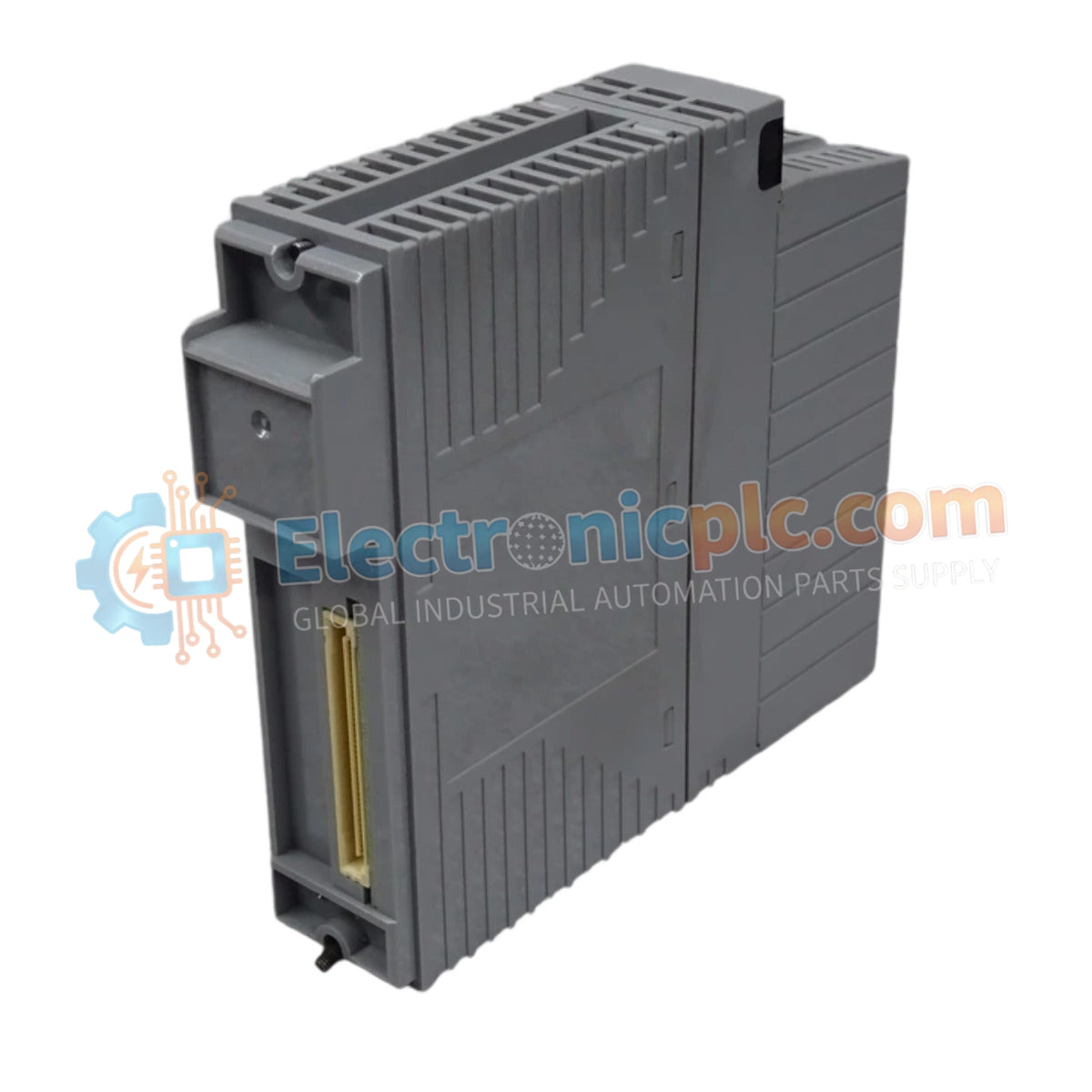
Yokogawa ASR133-S00/SR3S0 Analog Signal Processing Module

Yokogawa ASR133-S00/SR3S0 Analog Signal Processing Module

Configured for multi-range signal conditioning in industrial control networks, the Yokogawa ASR133-S00/SR3S0 (ASR133-S00/SR3S0 Analog Signal Processing Module) provides direct physical conversion of voltage and current inputs for integration into DCS...

22 people are viewing this right now

AvailabilityLow stock: 99 left

SKU: ASR133-S00/SR3S0
Vendor: Yokogawa

Shipping & Returns

Reliable Worldwide Delivery

  • Carriers: Shipped via DHL, FedEx, UPS, or USPS.
  • Dispatch: Orders processed in 1-2 business days and dispatched within 3-5 business days.
  • Tracking: Full tracking details provided via email upon shipment.

30-Day Money-Back Guarantee

  • Guarantee: 30-day return window for in-stock, factory-sealed products.
  • Condition: Items must be unopened, unused, and in original packaging.
  • Authenticity: We guarantee 100% original and authentic hardware.

Need more details? Read our fullShipping PolicyandRefund Policy.

Authenticity & Warranty

  • Genuine Guarantee: We supply only 100% original, brand-new, and factory-sealed industrial automation parts.
  • Full Coverage: Every component is backed by a 12-month comprehensive warranty from the date of purchase.
  • Traceability: All products come with original factory documentation and accessories for full industrial compliance.

Technical Support & Sourcing

  • Expert Assistance: Our technical team provides free consultation to help you verify compatibility for DCS and PLC systems.
  • Rare Part Sourcing: Specializing in obsolete and hard-to-find components from Allen-Bradley, Siemens, ABB, HIMA, and more.
  • Bulk Inquiries: Contact us at pambo@5gplc.com for volume pricing or customized project quotes.
View full product details

Configured for multi-range signal conditioning in industrial control networks, the Yokogawa ASR133-S00/SR3S0 (ASR133-S00/SR3S0 Analog Signal Processing Module) provides direct physical conversion of voltage and current inputs for integration into DCS processing platforms.

Suffix Breakdown & Model Matrix

  • ASR133: Base analog input module identifier.
  • S00: Standard hardware processing version.
  • SR3S0: Configuration variant for signal range and integration support.

Hardware Specifications

Parameter Specification
Model ASR133-S00/SR3S0
Brand Yokogawa
Origin Japan
Weight 0.5 kg
Dimensions 100 mm x 90 mm x 25 mm
Operating Temp -10 deg C to +60 deg C
Power Consumption 24 VDC (±10%)
Input Channels 8 channels
Input Ranges 0-10 V, +/-10 V, 0-20 mA, 4-20 mA

Channel-to-Channel Isolation and Data Acquisition

The ASR133-S00/SR3S0 utilizes per-channel isolation circuitry to prevent common-mode noise propagation between disparate field loops. This architecture ensures that high-impedance voltage signals and low-impedance current signals remain galvanically isolated from the module backplane, maintaining data integrity during high-speed sampling. The module employs cold junction compensation (CJC) logic where applicable to ensure absolute measurement accuracy in fluctuating thermal environments.

Frequently Asked Questions

Q: Does this module support field-side power for 4-20 mA loop-powered transmitters?

A: The ASR133-S00/SR3S0 is designed to receive active or passive signals. Verify the loop configuration requirements; if using 2-wire transmitters, ensure the loop power source is correctly integrated according to the module terminal wiring diagram to avoid over-current conditions.

Q: Can the input range be changed via software configuration for all 8 channels?

A: The ASR133-S00/SR3S0 supports configurable input ranges, but physical hardware jumpers or specific software parameters must be verified per channel. Consult the engineering system configuration manual for the exact mapping and software-defined range limits.

Field Installation Guidelines

  1. Ensure the control cabinet environment meets the IP20 enclosure rating requirements to prevent moisture or particulate accumulation on the module terminals.
  2. Confirm that the 24 VDC supply voltage is regulated and filtered to prevent power-induced signal noise.
  3. Terminate shielded signal cables at the module shield ground bar to maintain electromagnetic compatibility and reduce induced interference.
  4. Verify the wire stripping length and pressure clamp torque to prevent mechanical stress on the PCB terminals during thermal expansion cycles.
  5. Perform a signal loop calibration check post-installation to ensure that the process variable readings align with the field transmitter outputs.